1923
Location
Race Details
1923 Schneider Cup Course
Race area and route. The 1923 Schneider Trophy contest was held off Cowes on the Isle of Wight, over the Solent and adjacent English Channel waters. The most consistently reported route was a broad triangle: Cowes → Selsey Bill → Southsea (South Parade Pier) → Cowes. Cowes was both the start/finish point and the western vertex; the two offshore turning points were identified by marker boats near Selsey Bill and South Parade Pier. This follows contemporary course descriptions and later reconstructions, including the 1923 newspaper account and the modern course map based on period Ordnance Survey sheets and Flight magazine.
Start and finish. A detailed later history places the start and finish lines at Cowes opposite Victoria Pier. The map marks this location approximately. Sources differ about the line procedure: one account says the aircraft crossed the start while flying, while another says they taxied across the starting line on the water before becoming airborne. A near-contemporary report also discusses separate navigability and watertight tests. The precise interaction between those procedures and the timed race is not described consistently in the accessible summaries.
Turning points and legs. The eastern turn was at Selsey Bill; the southern/mainland turn was off Southsea, near South Parade Pier. The race ran from Cowes eastward to Selsey Bill, westward along the mainland coast to Southsea, then southwest across the Solent back to Cowes. Marker boats indicated the turning points. The map positions are approximate and are not intended as exact 1923 buoy coordinates. Published accounts do not give surveyed coordinates or exact bearings for the marker boats.
Laps and distance. The best-supported format is five laps of approximately 37.2 nautical miles (68.9 km) each, for a total of 186 nautical miles (about 344.5 km, or 214 statute miles). The contemporary newspaper account explicitly gives 37.2 nautical miles per lap and 186 nautical miles total; AirRace gives five 68.9-km laps. Some later reports call the total simply “186 miles,” without distinguishing nautical from statute miles. A lower-confidence secondary article gives a different lap count and course length; the map uses the better-supported five-lap figure and does not treat the unit ambiguity as a different route.
Course and water-handling rules. The event was a seaplane contest, and contemporary reporting notes water-taxiing/navigability tests as well as the race. Later histories describe rules requiring an afloat start and a flying finish, while other accounts describe the start line as crossed in flight. The route required completing five circuits around the two marker-boat turns; exact rounding direction and any penalties for cutting a mark are not confirmed in the sources consulted. To avoid presenting uncertain procedures as settled, the map shows only the reconstructed triangle and labels the course and marker locations approximate.
Sources and uncertainty. New Zealand Times, 16 November 1923 (contemporary report; distance, speeds, and results); Glendale Evening News, 29 August 1923 (contemporary course announcement); HydroRetro, 1923 race record; AirRace, Schneider Cup results; Wikimedia Commons, modern map reconstruction with cited period-map basis.

The course length and map’s red line is a visual reconstruction, not a claim to the exact historical buoy layout.
The Winner
(475 hp)
177.38 mph

Click the Icons above to be redirected to Wikipedia Information on that subject
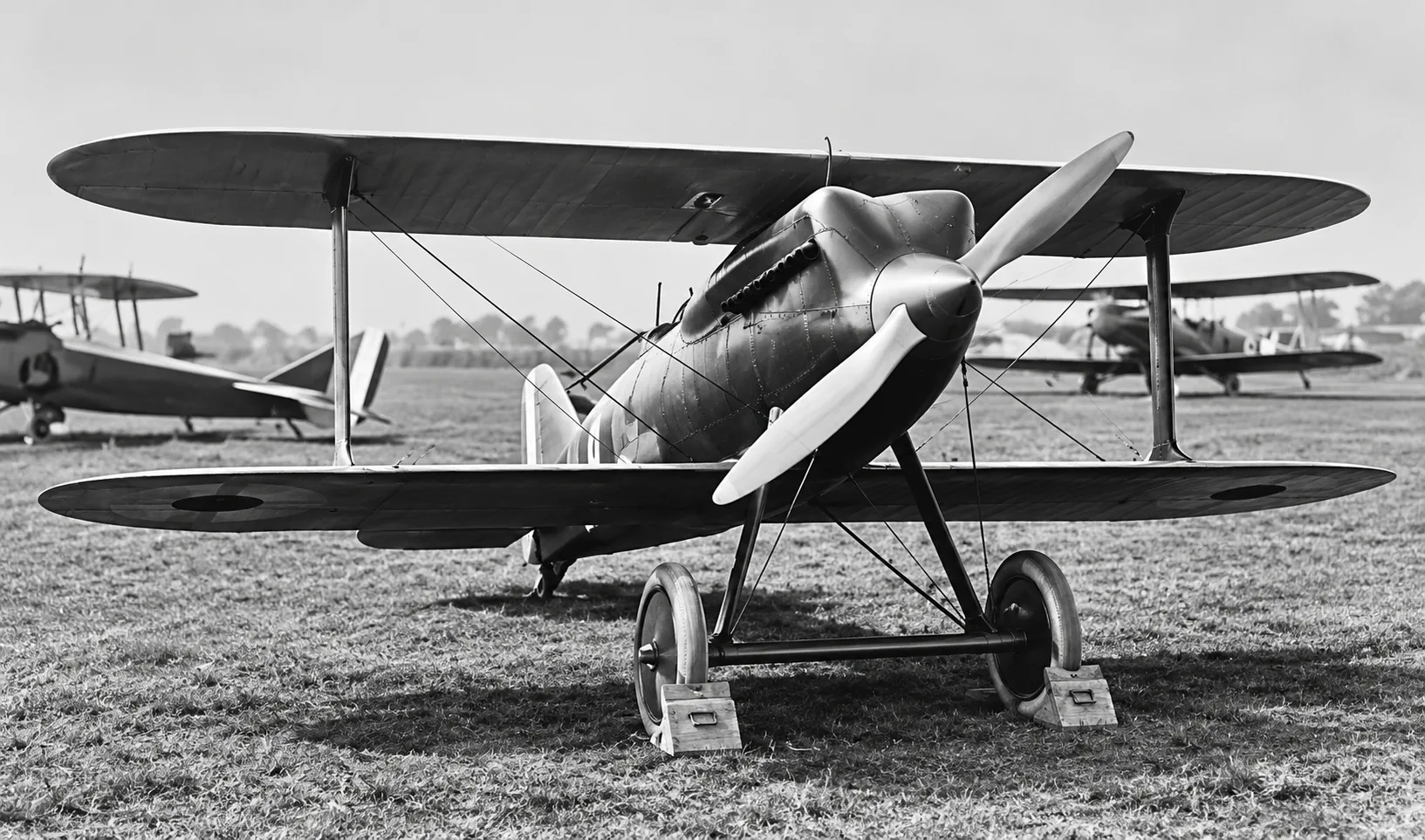
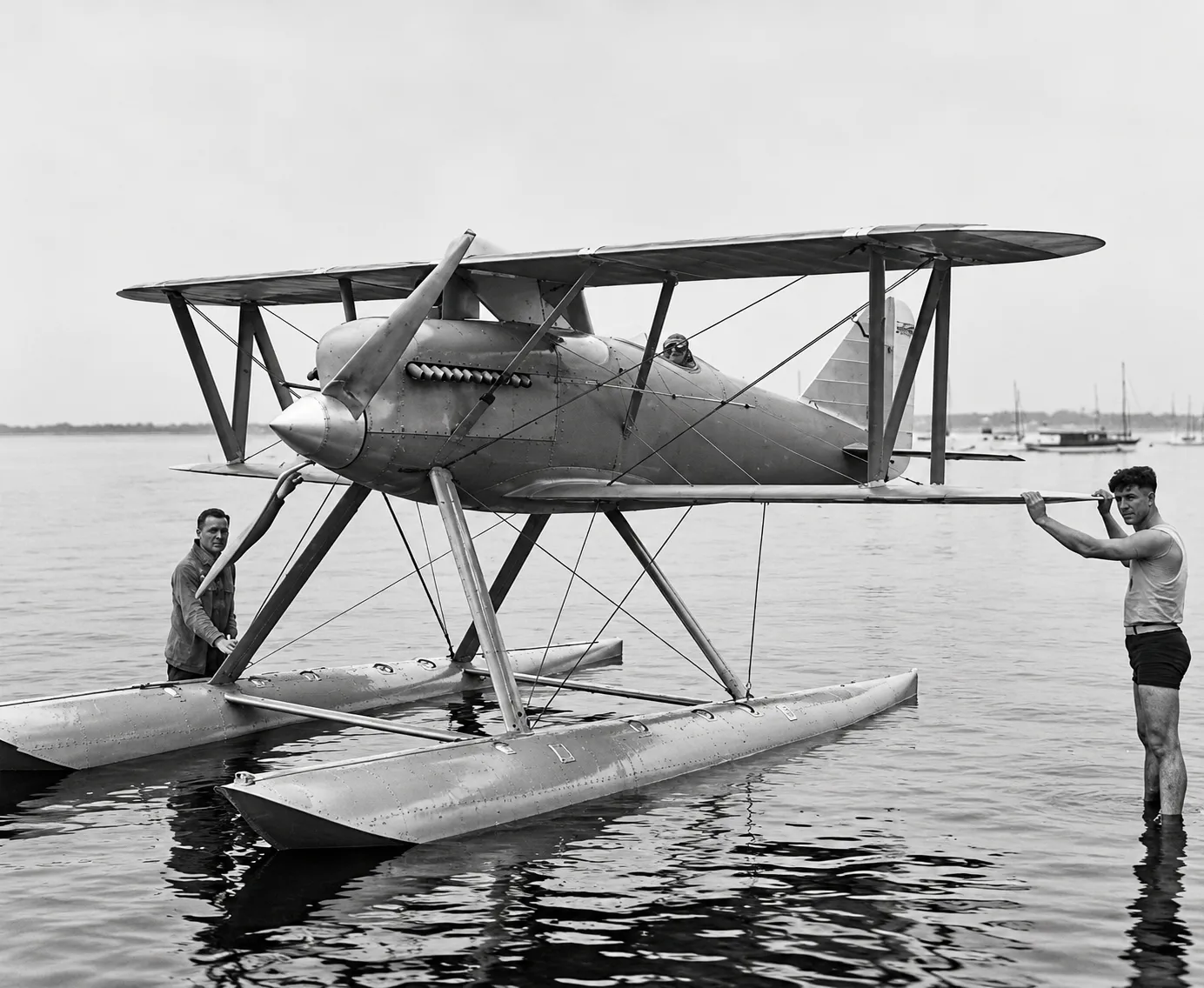
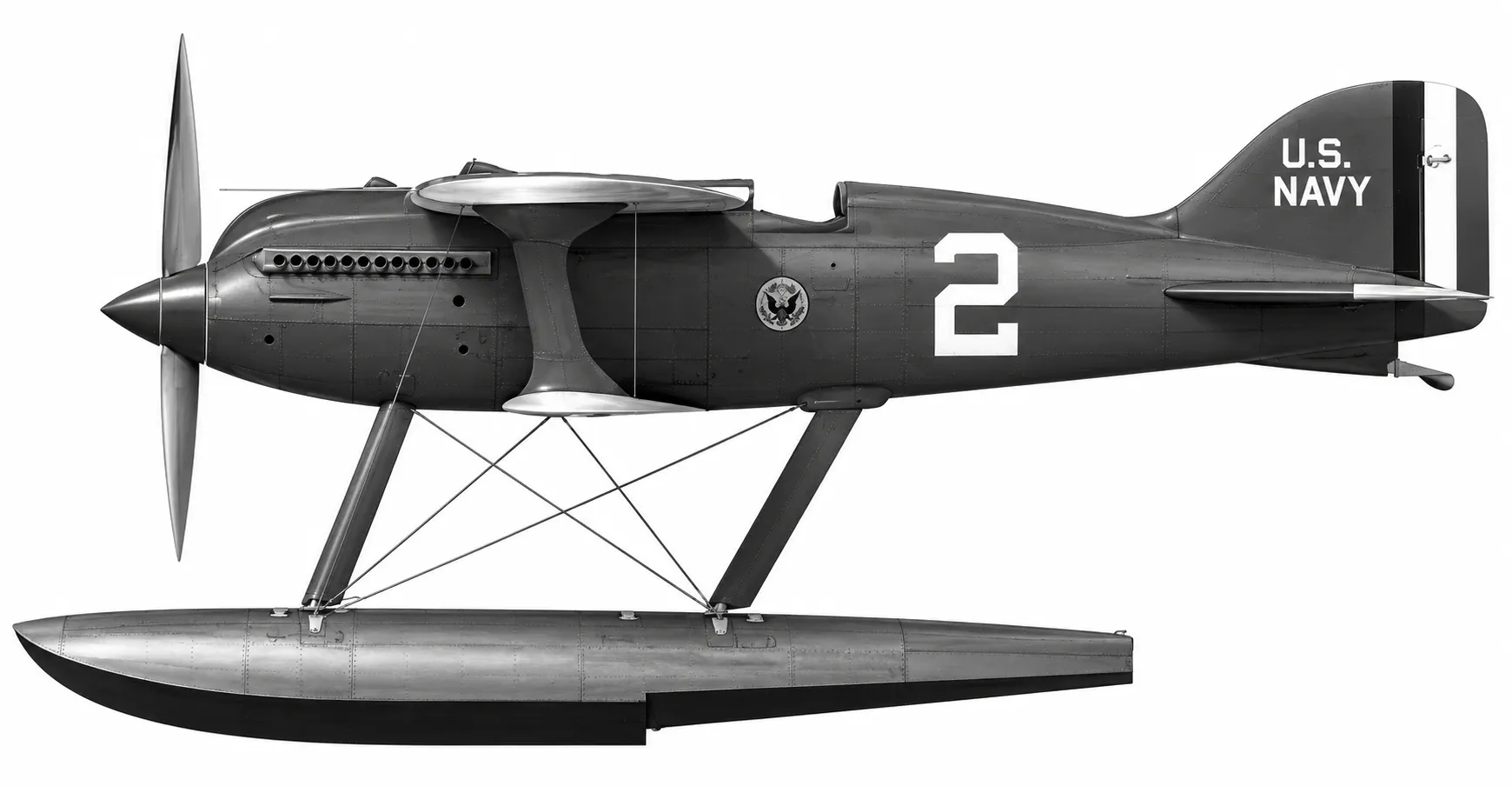
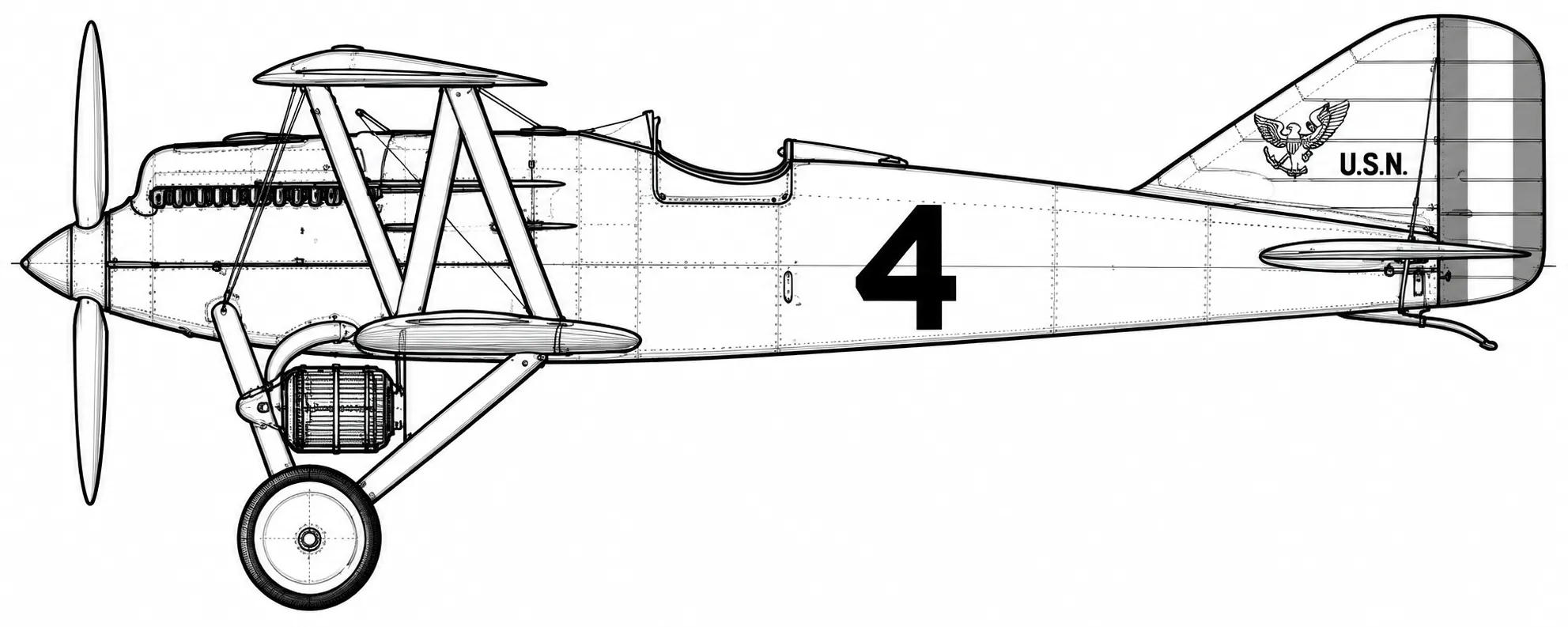
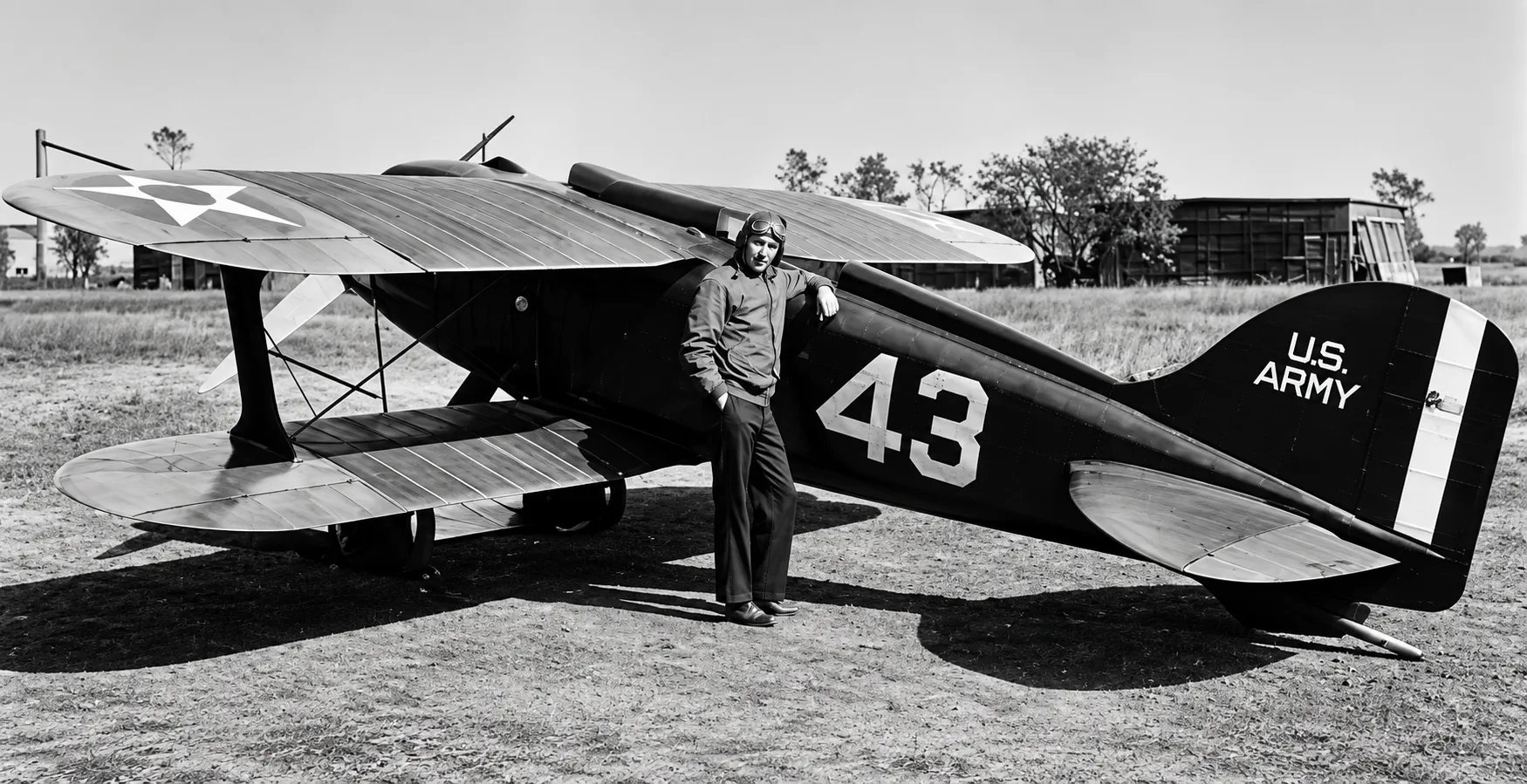
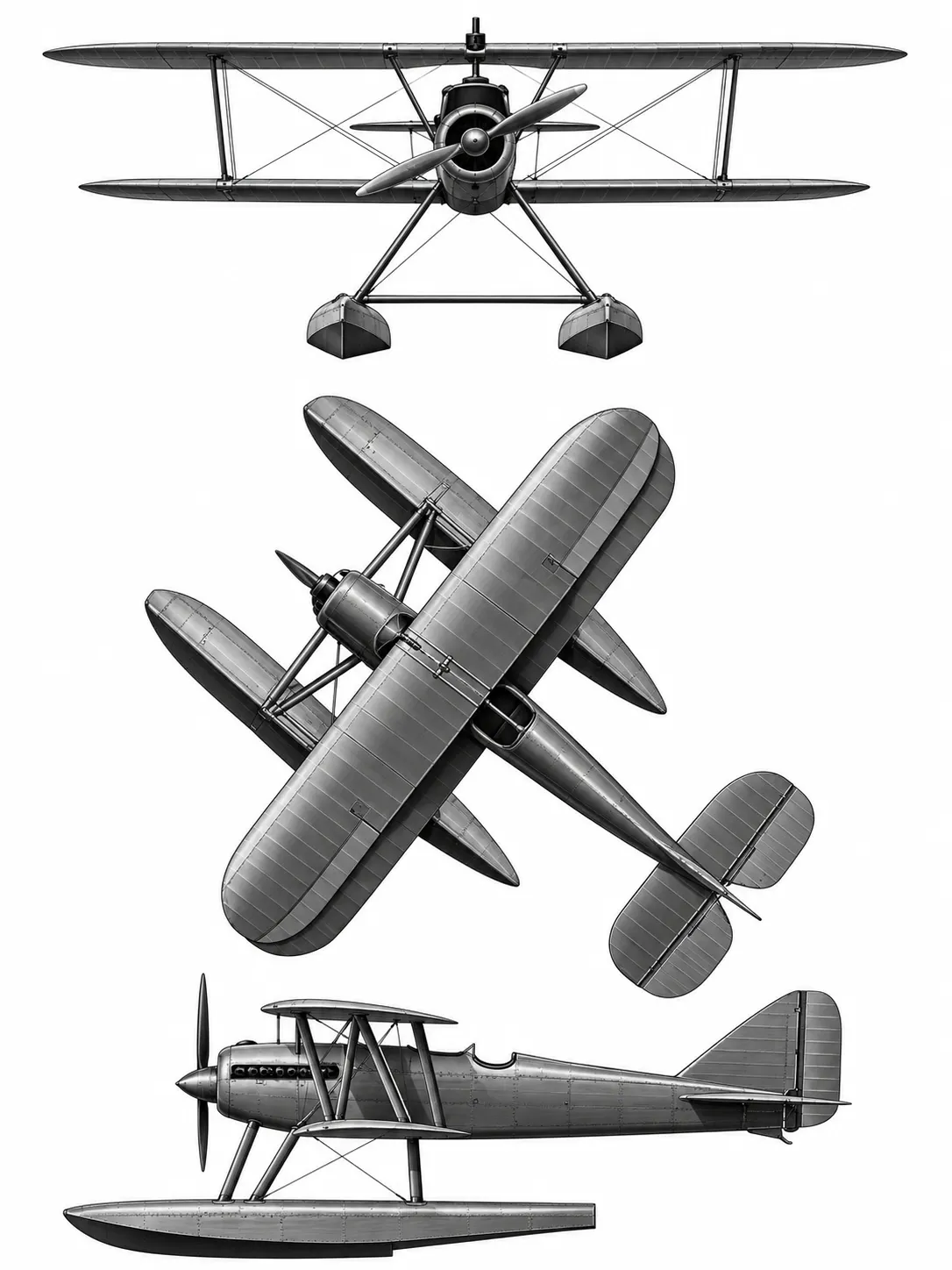
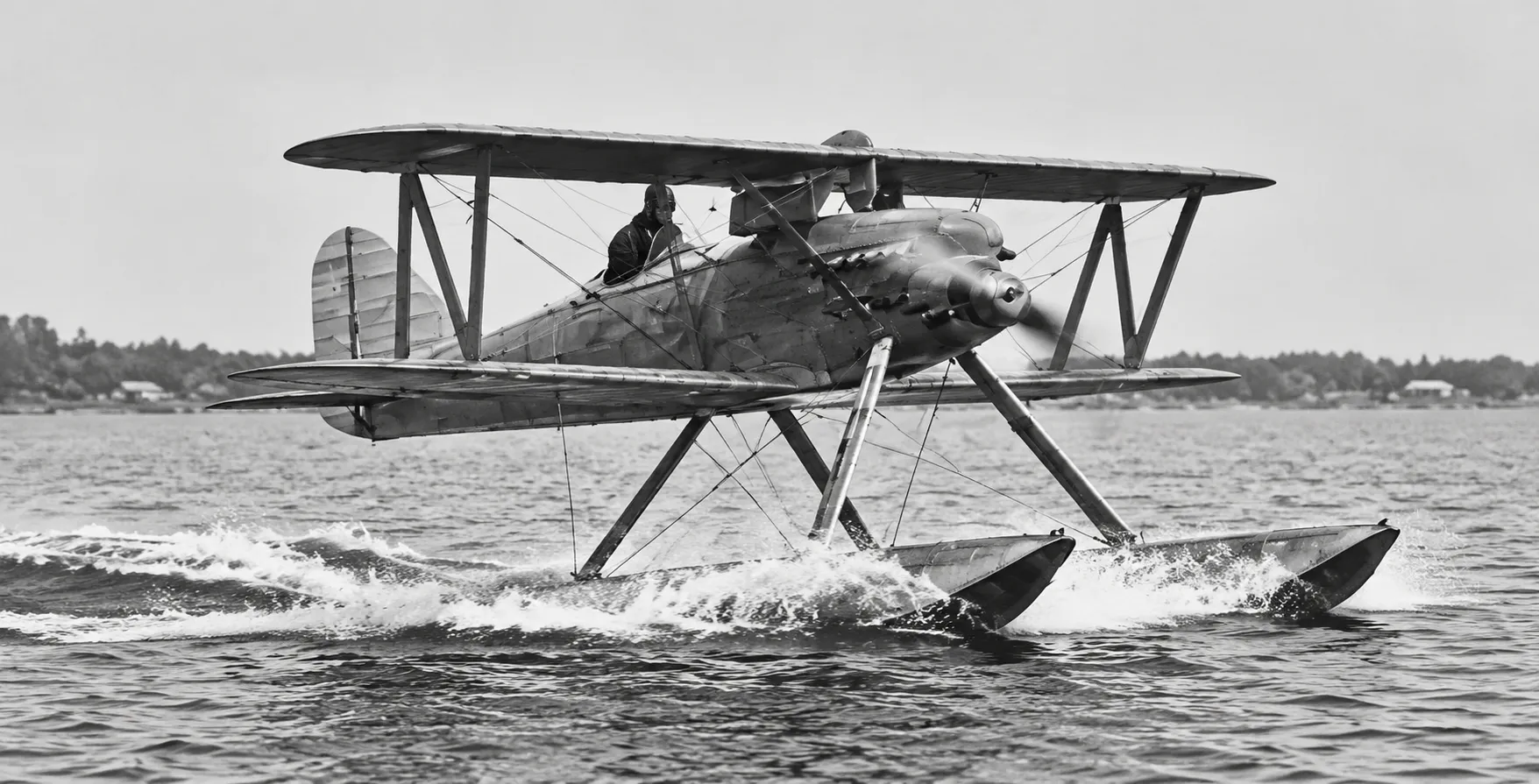
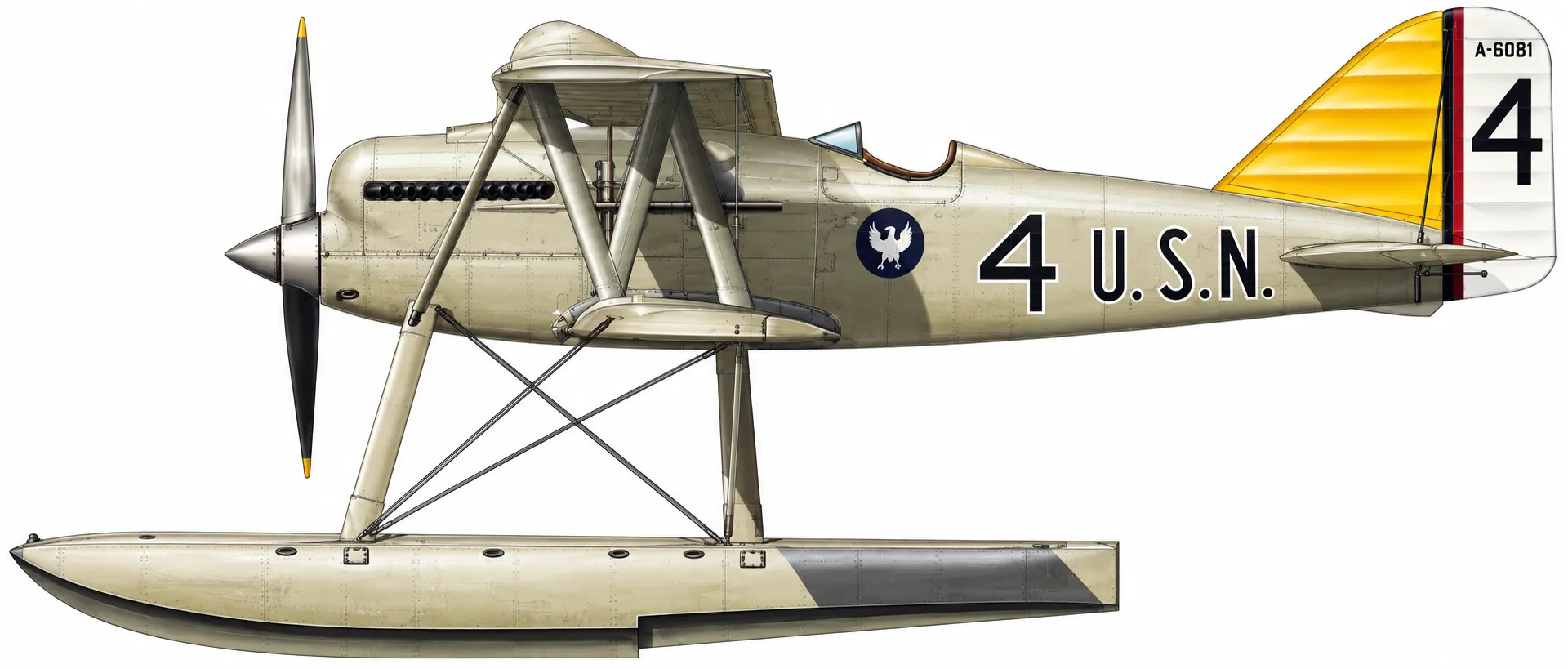
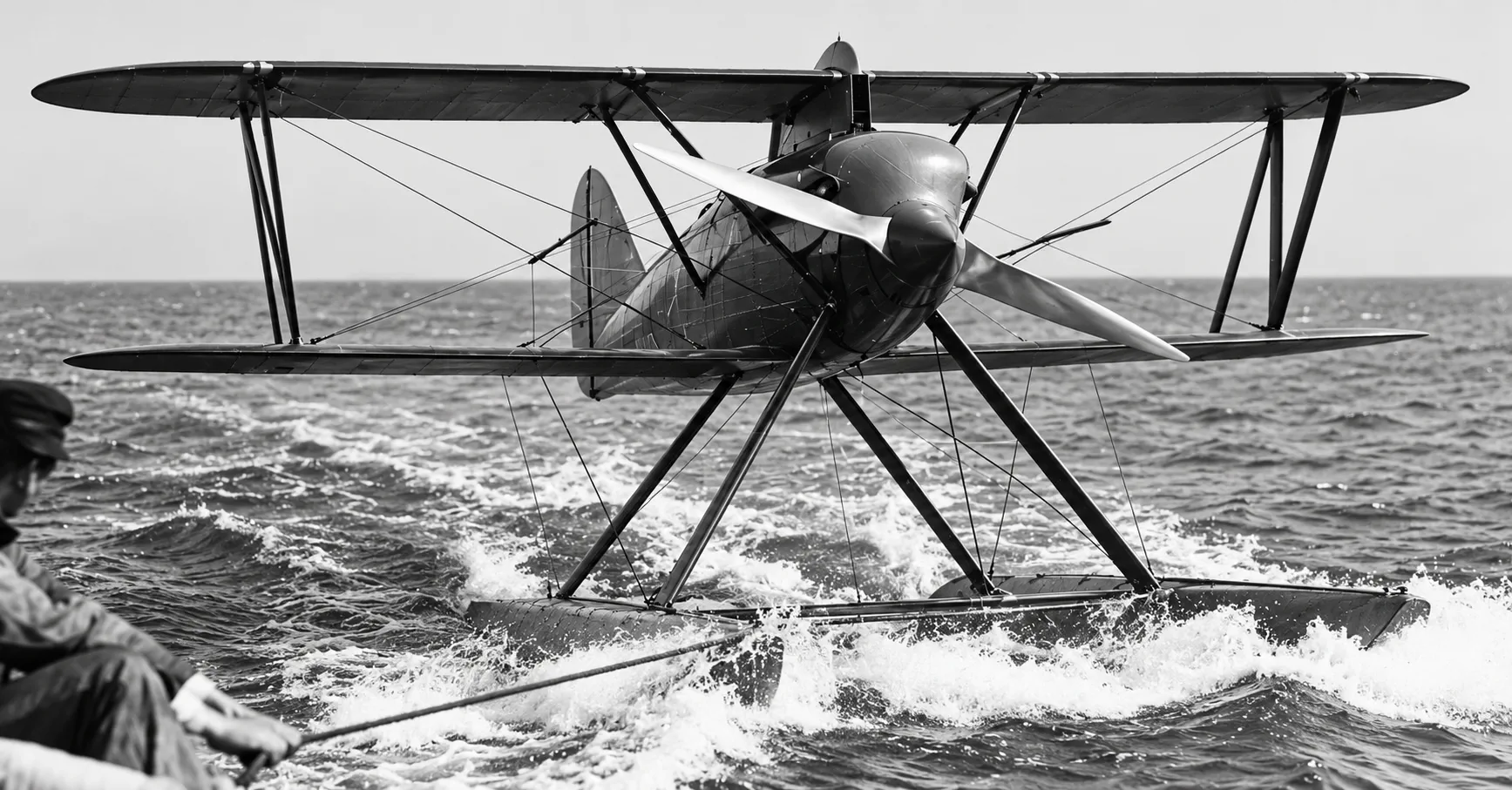
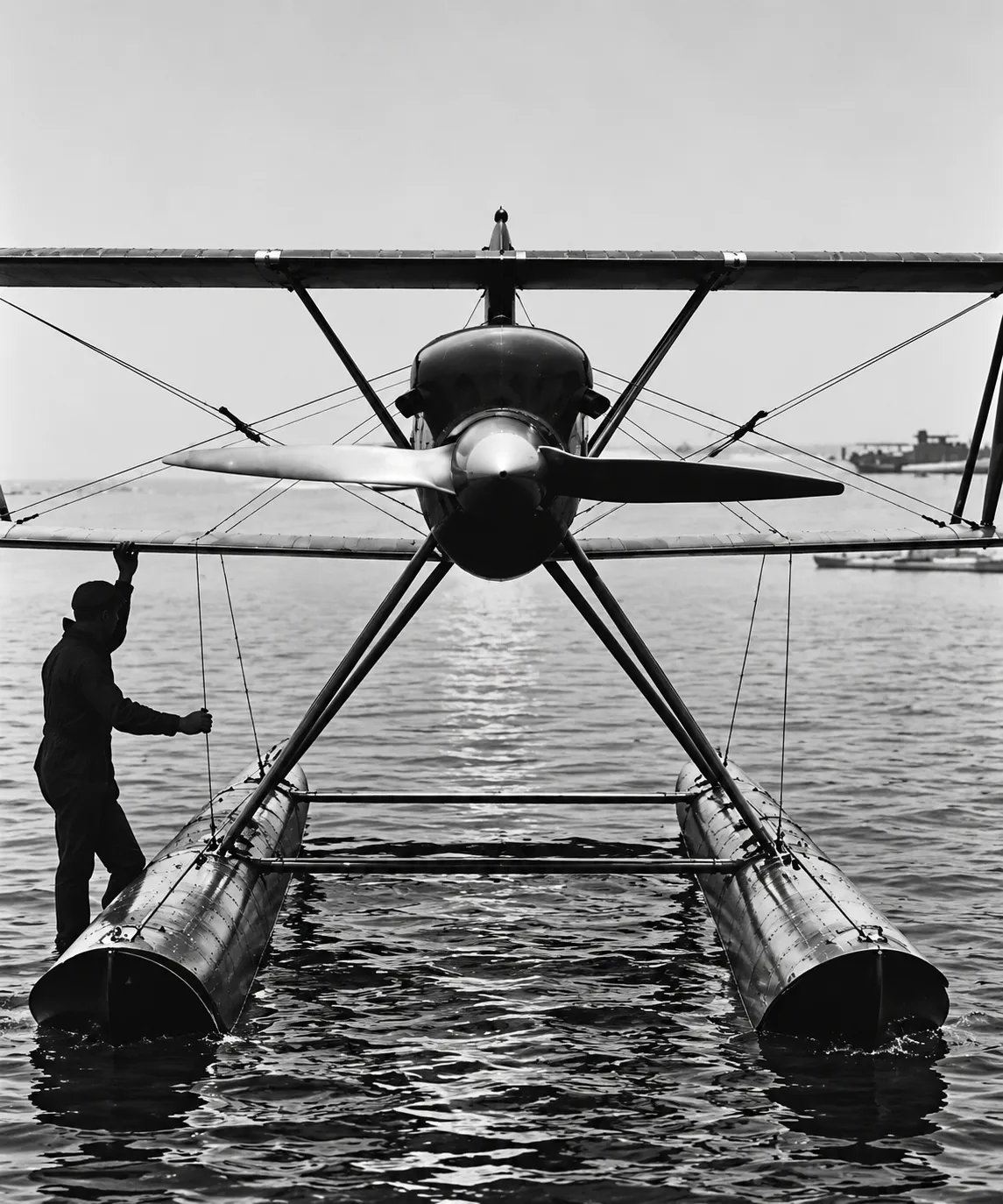
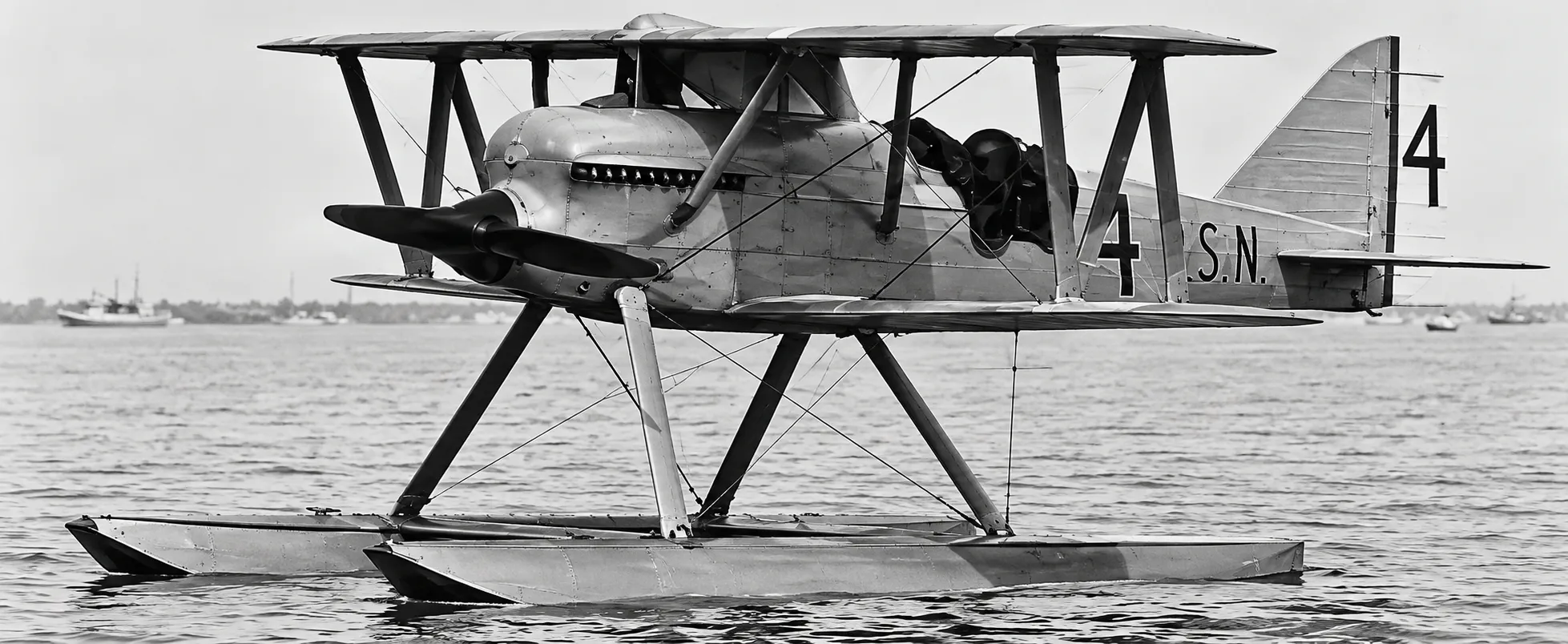
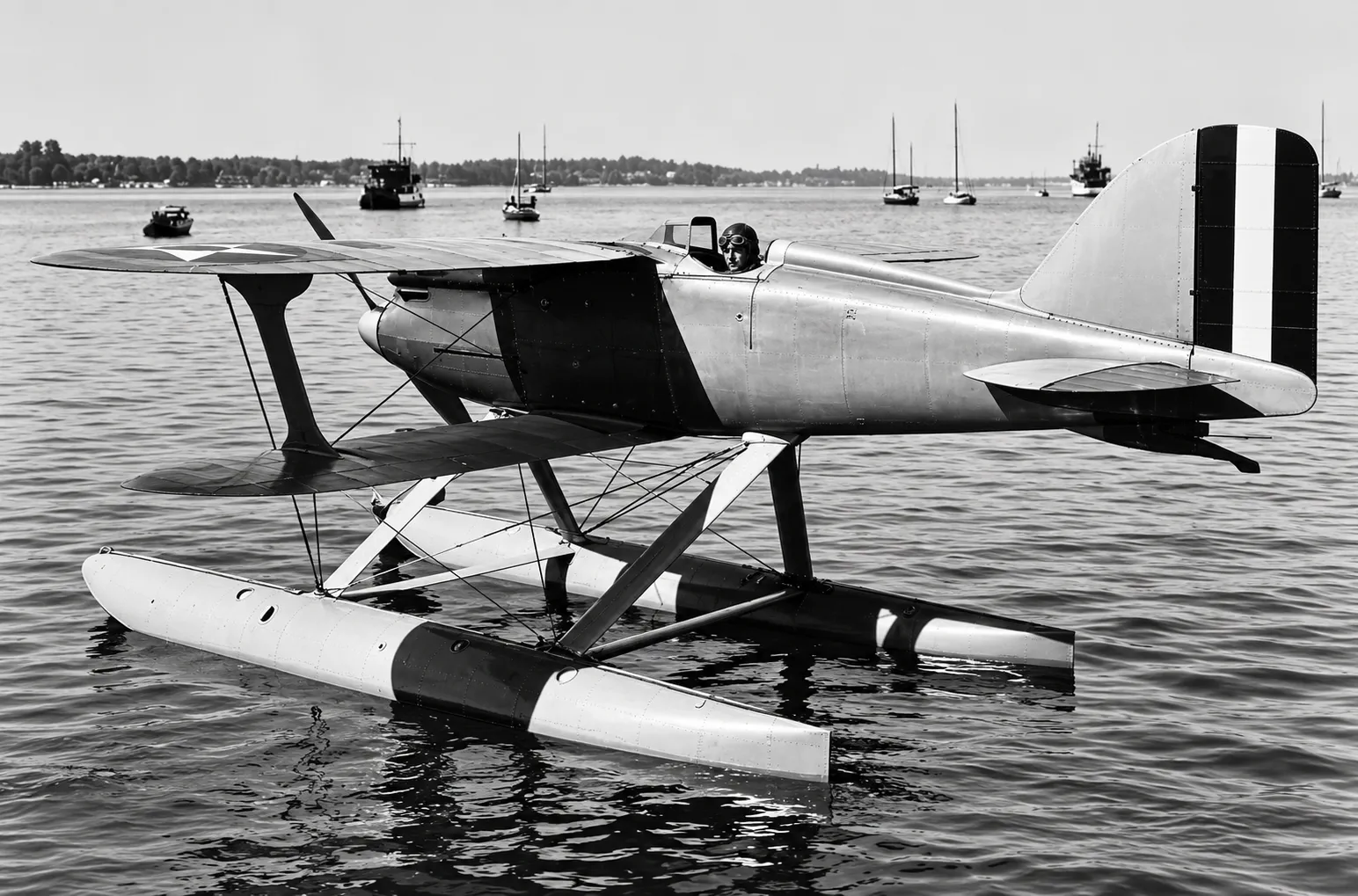
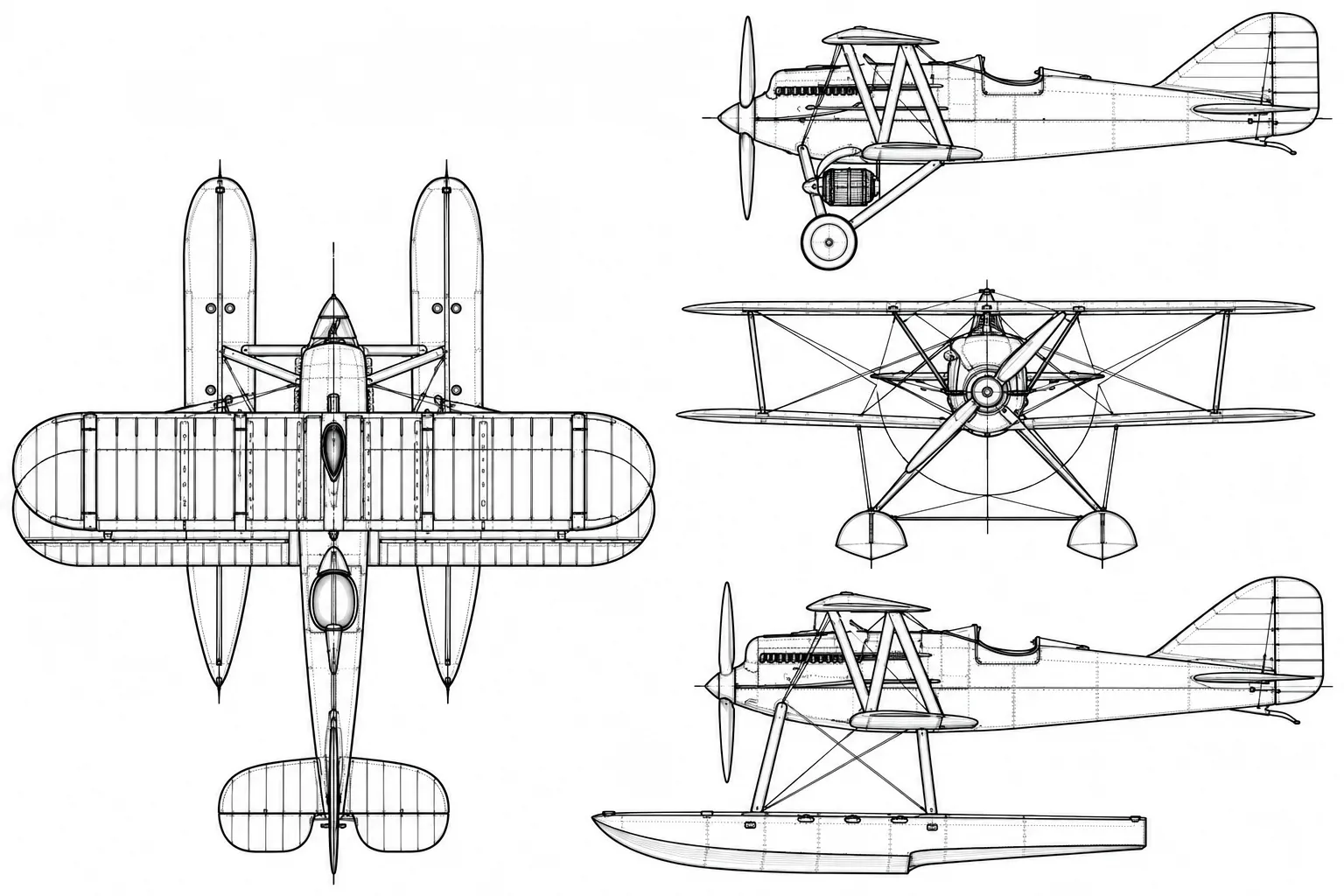
The Curtiss CR was a racing aircraft designed for the United States Navy in 1921 by Curtiss. It was a conventional single-seater biplane with a monocoque fuselage and staggered single-bay wings of equal span braced with N-struts.
Two essentially similar landplane versions were built as the CR-1 and CR-2, which were both eventually converted to seaplanes as the CR-3 in 1923 and CR-4 in 1924. In 1923, the CR-2s were fitted with floats for the Schneider Trophy race and redesignated CR-3. The aircraft took first and second place
These images have been digitally enhanced while aiming to preserve the historical context of the originals.
If you believe any image infringes copyright, or is incorrect in any way please contact us at
info@supermarineseaplane.co.uk
.








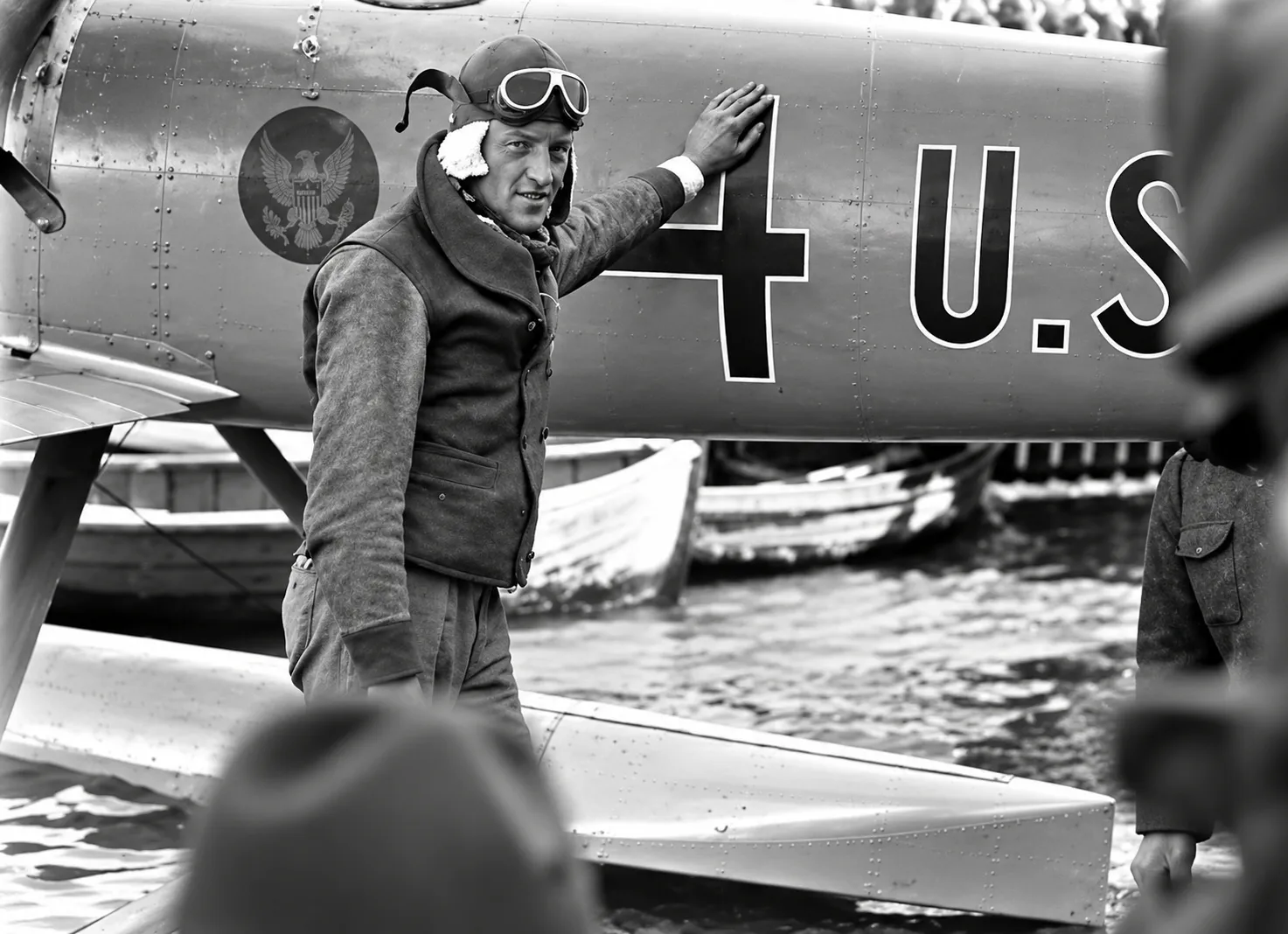

The field and preparation
The seventh Schneider Trophy race was held at Cowes, Isle of Wight, and is most often dated 28 September 1923; the broader event and trial period is often listed as 27–28 September. A near-contemporary New Zealand newspaper report instead calls the race September 27. The sources compared here do not explain whether that reflects a date error or a difference between event/race scheduling, so 28 September is used as the standard date but the one-day discrepancy is noted. It was the first major Schneider contest in which the United States competed, and its Navy-backed team arrived with two highly refined Curtiss racers. Italy withdrew before the race. France, Britain, and the United States had planned larger teams, but trial accidents and mechanical problems reduced the actual starters to four: two Americans, one Briton, and one Frenchman.
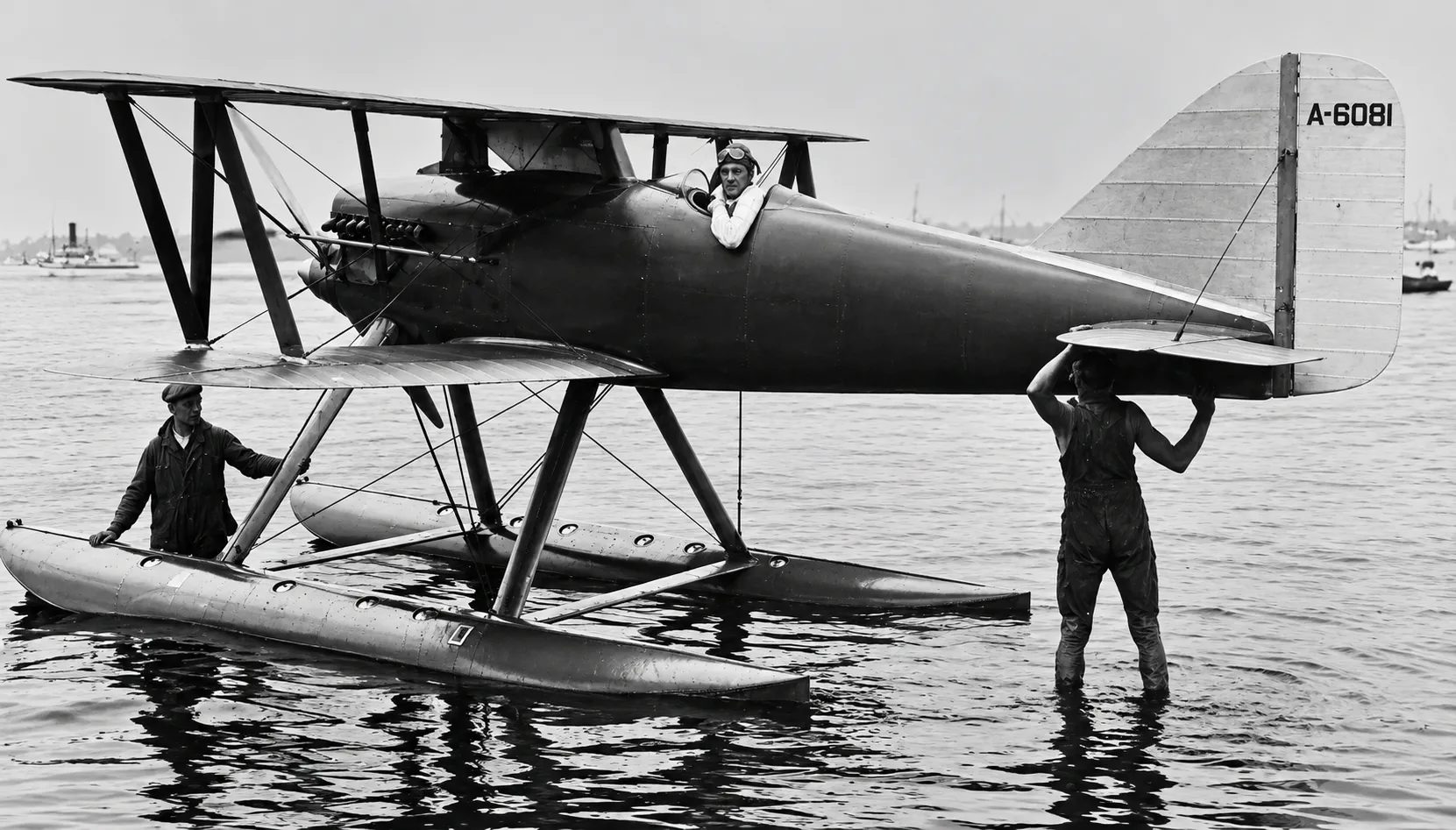
The American pair were U.S. Navy Lieutenants David Rittenhouse and Rutledge Irvine in Curtiss CR-3 floatplanes. Rittenhouse flew race number 4, serial A-6081; Irvine flew number 3, A-6080. Both used Curtiss D-12 liquid-cooled V-12 engines. Sources give slightly different power figures, commonly about 450–465 hp. The streamlined aircraft were derived from successful Curtiss land racers and adapted with twin floats; contemporary commentary highlighted their clean aerodynamic form, wing-surface radiators, and metal propellers.
Great Britain’s sole starter was Captain Henry C. Biard in the Supermarine Sea Lion III, number 7, registration G-EBAH, with a Napier Lion III engine. HydroRetro lists 525 metric horsepower; some later sources describe the engine as 550 hp. The only French starter was Maurice Hurel in a CAMS 38, number 9, registration F-ESFD, powered by a Hispano-Suiza engine. The available records vary on the engine rating, giving figures around 360–380 hp.
Several intended entrants never reached the start. Britain’s Reginald Kenworthy lost the Blackburn Pellet during trials after it capsized; he survived but was injured. The U.S. Navy Wright NW-2, associated in later results lists with A. W. Gorton, was wrecked during a trial flight after an engine failure. The reserve Navy Curtiss TR-3A was not used. France’s reserve CAMS 36bis was damaged, and a Latham was lost or damaged after breaking from its moorings / during transit, depending on the account; other French entries failed to arrive or were withdrawn. These descriptions are not fully consistent across entrant lists, so the race result table below distinguishes starters from non-starters.
What happened in the race
The four starters competed in clear conditions over a very calm sea. Reports describe the national teams starting at intervals, with the two U.S. Curtiss aircraft setting the pace. Rittenhouse’s CR-3 was fastest from the outset; a contemporary report says his final lap was his fastest, at about 181.17 mph. Irvine followed closely, while Biard’s Sea Lion III was unable to match the Americans’ speed. Hurel’s CAMS 38 retired after completing one lap, with the cause described as engine trouble in race summaries.
Rittenhouse won in a reported 1 hour, 12 minutes, 26.4 seconds, at approximately 177.38 mph (285.46 km/h). Irvine finished second about 1 minute 39 seconds later. Biard finished third. HydroRetro records a procedure-related restart for Biard after he crossed the finish line incorrectly during the event; because the accessible contemporary reports do not independently confirm that episode, it should be treated as a secondary-source detail rather than a settled explanation for his result.
Results and historical significance
| Place | Pilot | Aircraft | Time / reported speed |
|---|---|---|---|
| 1 | David Rittenhouse (United States Navy) | Curtiss CR-3, A-6081, #4; Curtiss D-12 | 1:12:26.4; about 177.38 mph / 285.46 km/h |
| 2 | Rutledge Irvine (United States Navy) | Curtiss CR-3, A-6080, #3; Curtiss D-12 | 1:14:05.2; about 173.35 mph / 278.97 km/h |
| 3 | Henry C. Biard (Great Britain) | Supermarine Sea Lion III, G-EBAH, #7; Napier Lion III | 1:21:46; about 157.1 mph in AirRace / HydroRetro conversions |
| Retired | Maurice Hurel (France) | CAMS 38, F-ESFD, #9; Hispano-Suiza | Retired after one completed lap / on lap 2 |
Conflicting figures and records. The result order—Rittenhouse, Irvine, Biard, with Hurel retiring—is consistent across specialist results lists and contemporary reporting. Exact speeds and distances are less uniform. AirRace lists Rittenhouse at 177.266 mph, while HydroRetro and a contemporary New Zealand newspaper report give about 177.38 mph; the newspaper gives the fastest lap as 181.17 mph. AirRace and HydroRetro place Biard near 157.1 mph, but a 1929 U.S. Air Service retrospective gives 151.16 mph. The discrepancy may reflect distance/rounding or transcription differences; the sources do not resolve it. Times in modern summaries may be rounded to whole seconds, while other accounts give tenths.
The winning average is most sensibly expressed as approximately 177.3–177.4 mph. The two Curtiss racers demonstrated a major speed advantage through purpose-oriented streamlining and engine installation, and the United States secured its first Schneider Trophy victory. The race was scheduled to move to the United States in 1924, but that contest was cancelled after rival teams withdrew or lost their aircraft; the next race was held in 1925.
Sources
New Zealand Times, 16 November 1923 (near-contemporary report of winner, speeds, aircraft features); HydroRetro, 1923 entrants, aircraft, race narrative, and results; AirRace, Schneider Trophy results; TIME, 8 October 1923 (contemporary race report); U.S. Air Service Newsletter, 1929 historical review; This Day in Aviation, detailed summary with race timings and aircraft numbers.