1920
Location
Race Details
1920 Schneider Cup Course
The contest was staged off Venice’s Lido, over the Adriatic. The published course summaries describe a triangular circuit of 37.5 kilometres (about 23.3 statute miles) per lap, flown for 10 laps, for a nominal total of 375 kilometres (about 233 statute miles). The same distance is often rounded to about 200 miles when expressed as nautical miles. The Society of Air Racing Historians lists ten laps of 37.5 km; AirRace’s results table and HydroRetro’s 1920 account give the same lap distance and count. The Italian Air Force Association instead describes a 20-mile circuit flown 20 times (200 miles). That conflicts with the 10 × 37.5 km figures and may reflect a unit, translation, or transcription difference; the sources consulted do not resolve it. The map uses the 10-lap, 37.5-km version and marks the triangular track and buoy locations as approximate. It is a visual reconstruction, not a surveyed record of the original markers.
At each circuit the aircraft made three legs between offshore turning points and the start/finish area by the Lido. The triangle let officials measure repeated laps over a defined water course while keeping the race near Venice. However, the exact 1920 start line and coordinates of the three buoys could not be verified from the accessible records. The UK National Archives catalogue lists a 1920 Schneider Trophy race-course map, but its catalogue entry alone does not establish buoy positions. Treat the route shown here as an informed approximation of the Lido-area circuit.
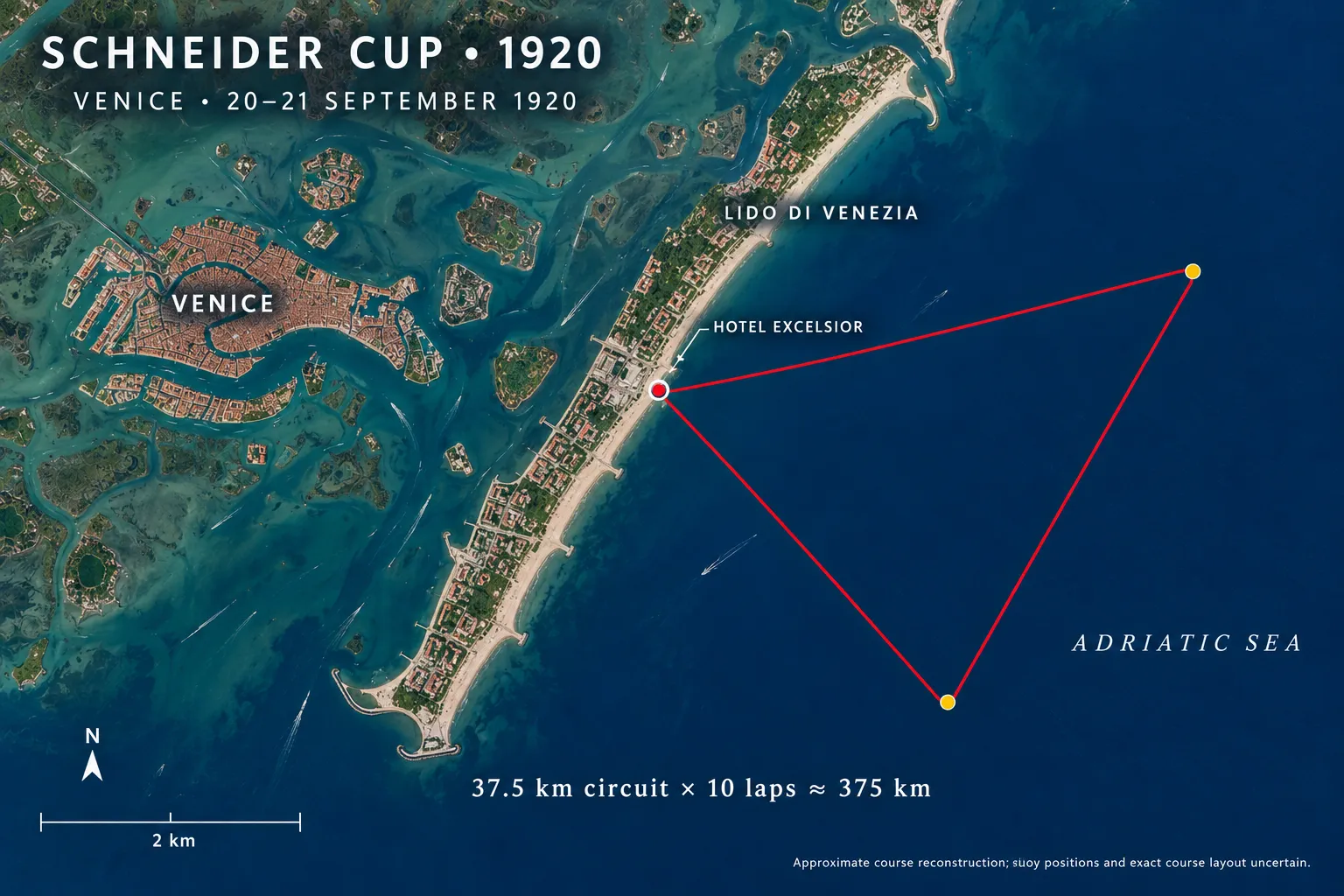
The course length and map’s red line is a visual reconstruction, not a claim to the exact historical buoy layout.
The Winner
(550 hp)
107.22 mph

Click the Icons above to be redirected to Wikipedia Information on that subject
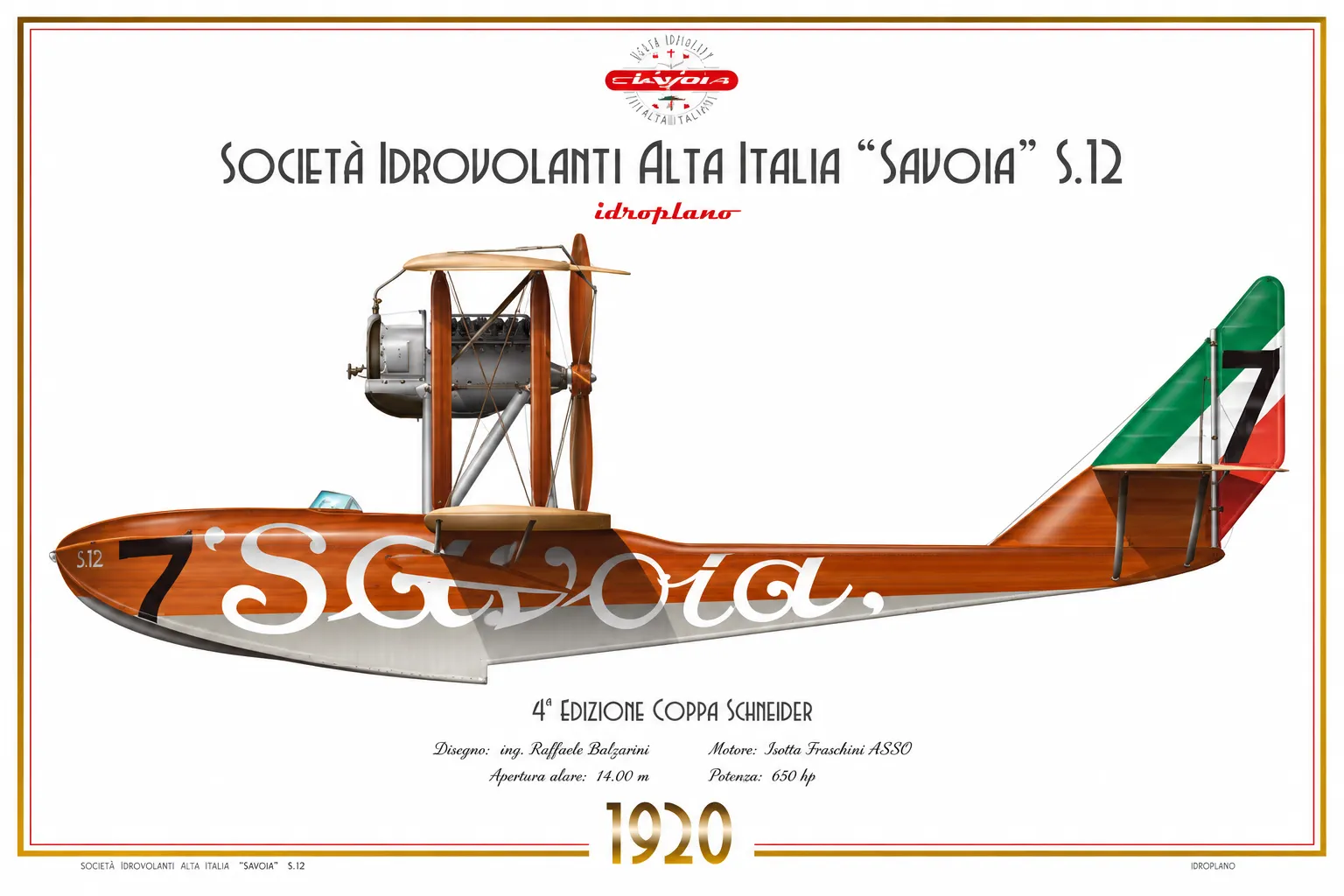
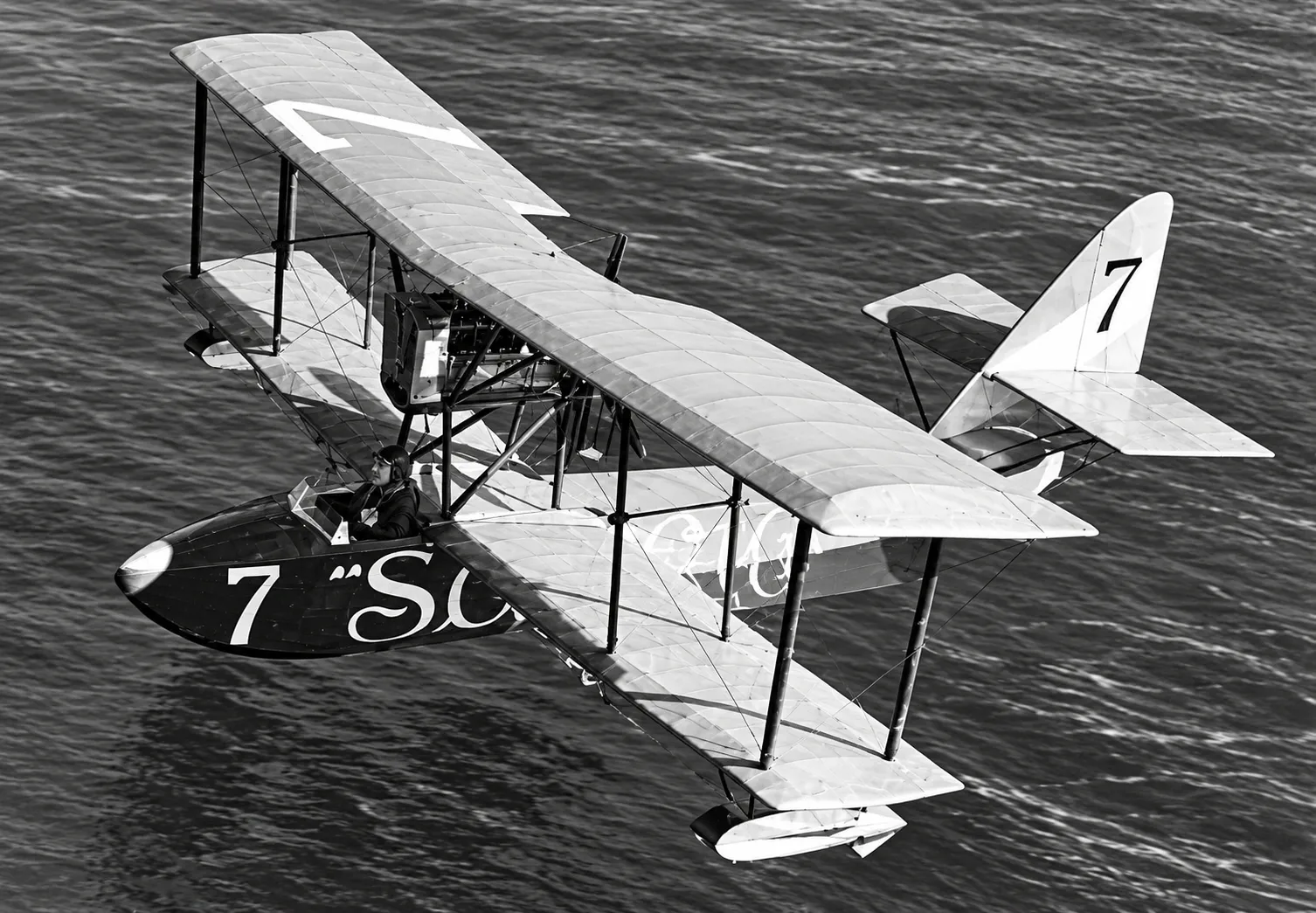
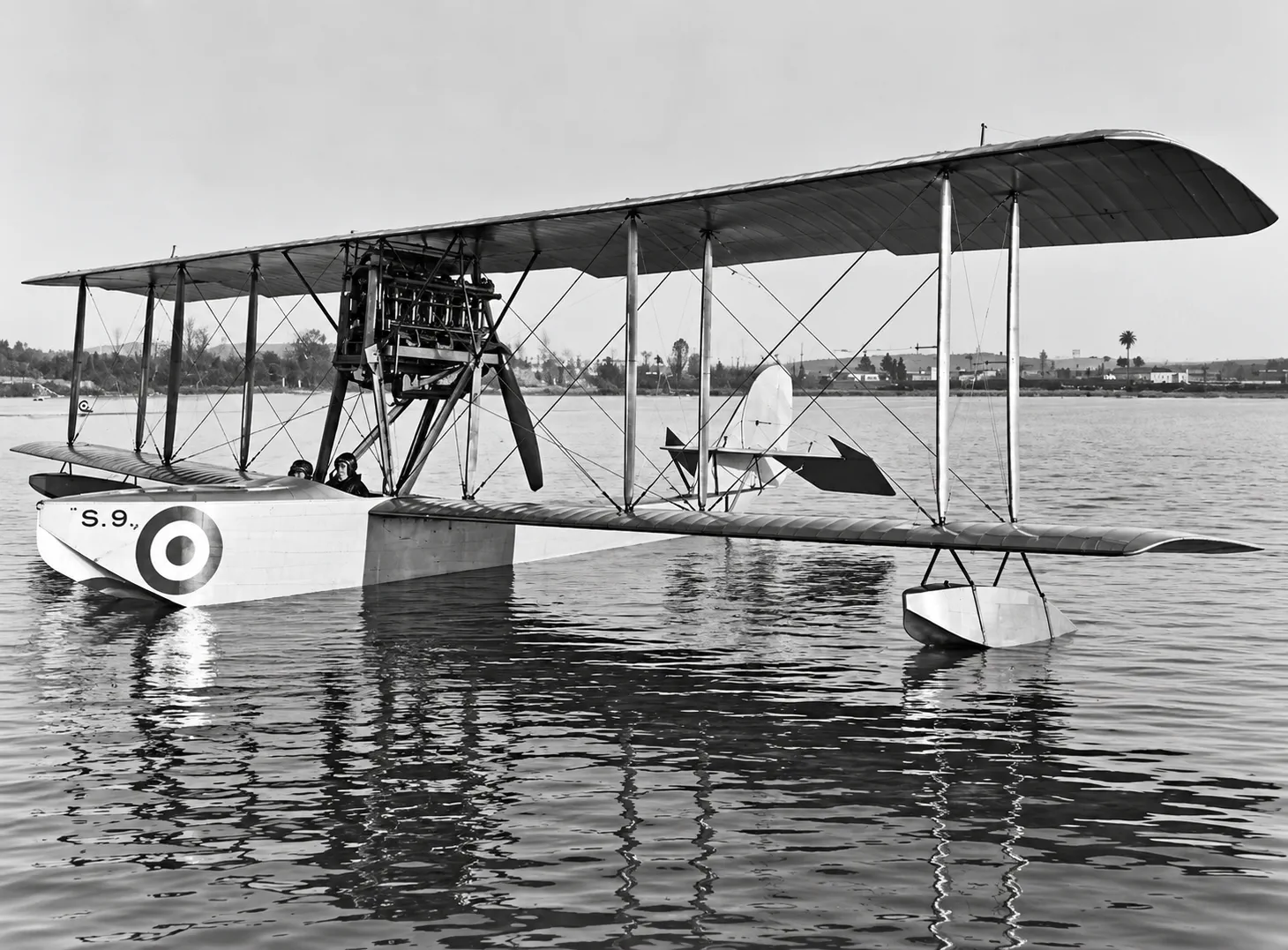
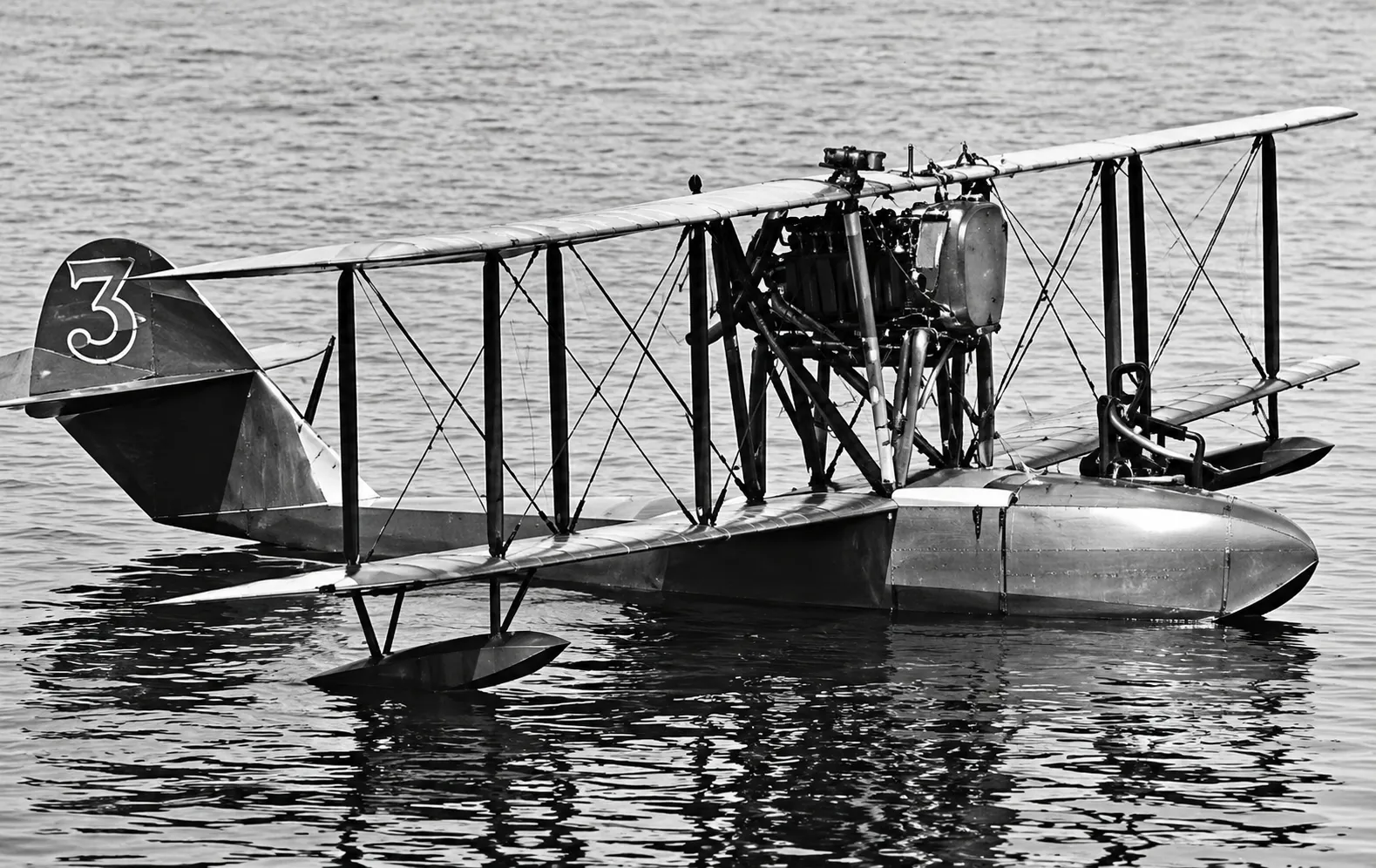
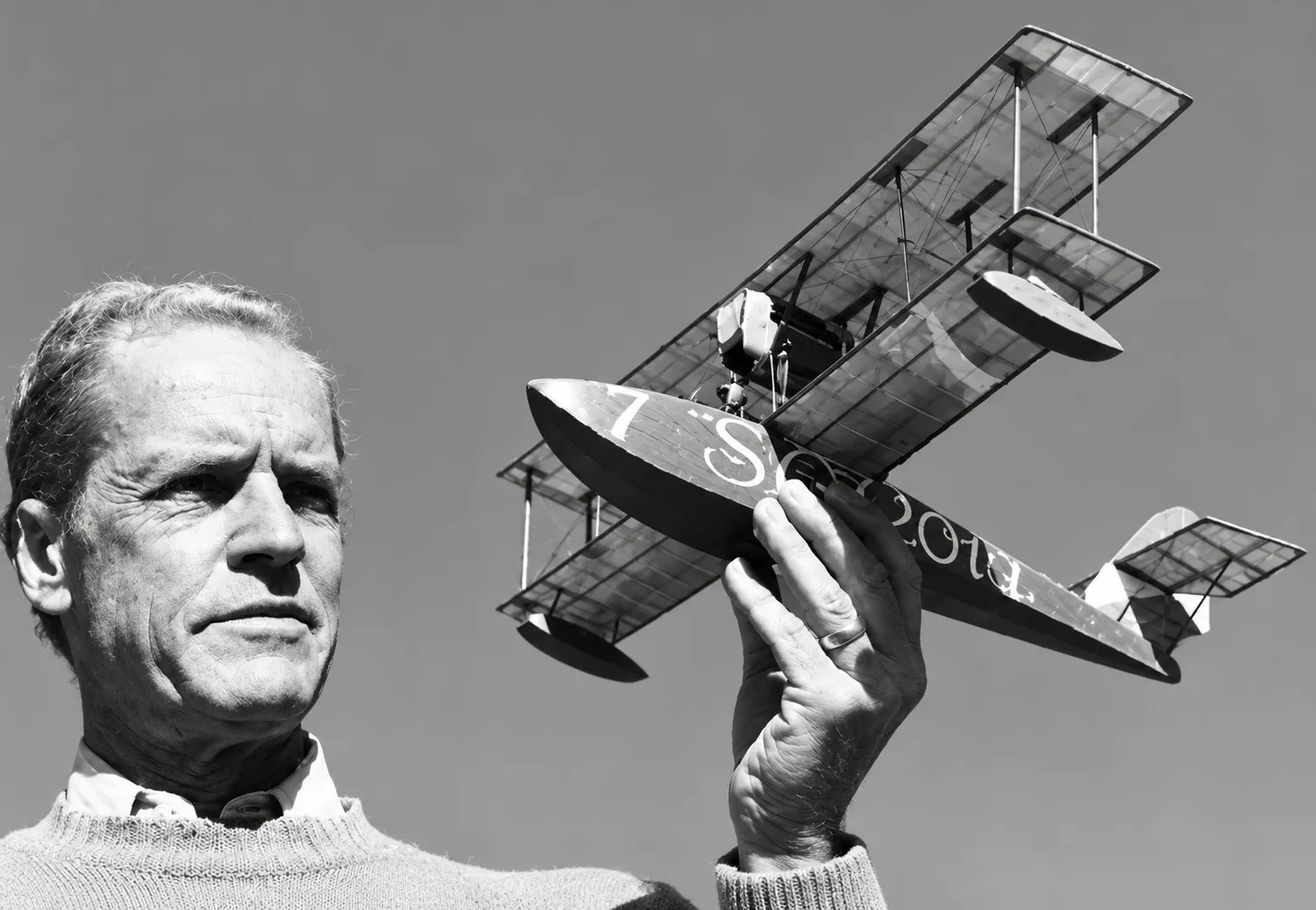
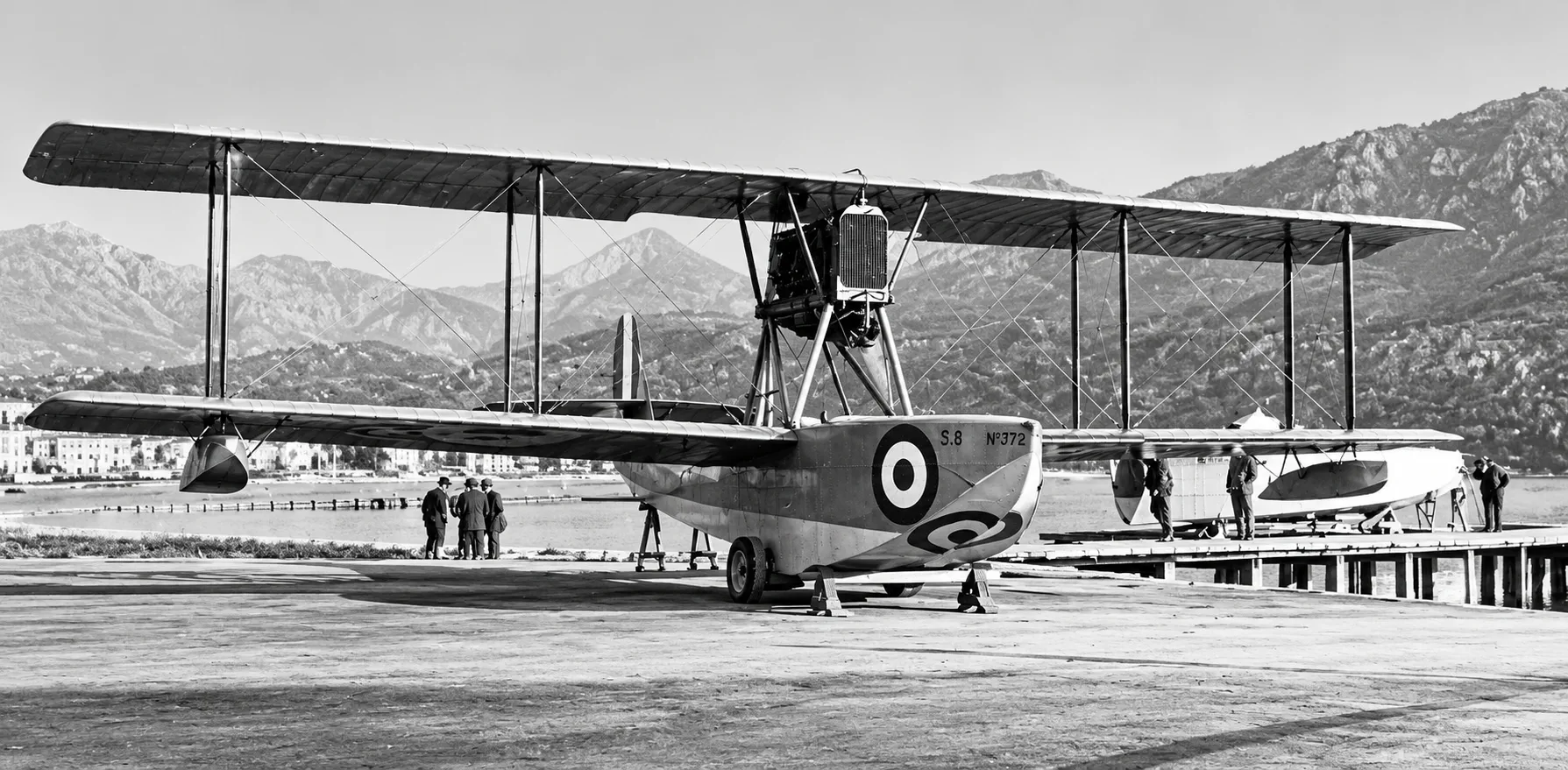
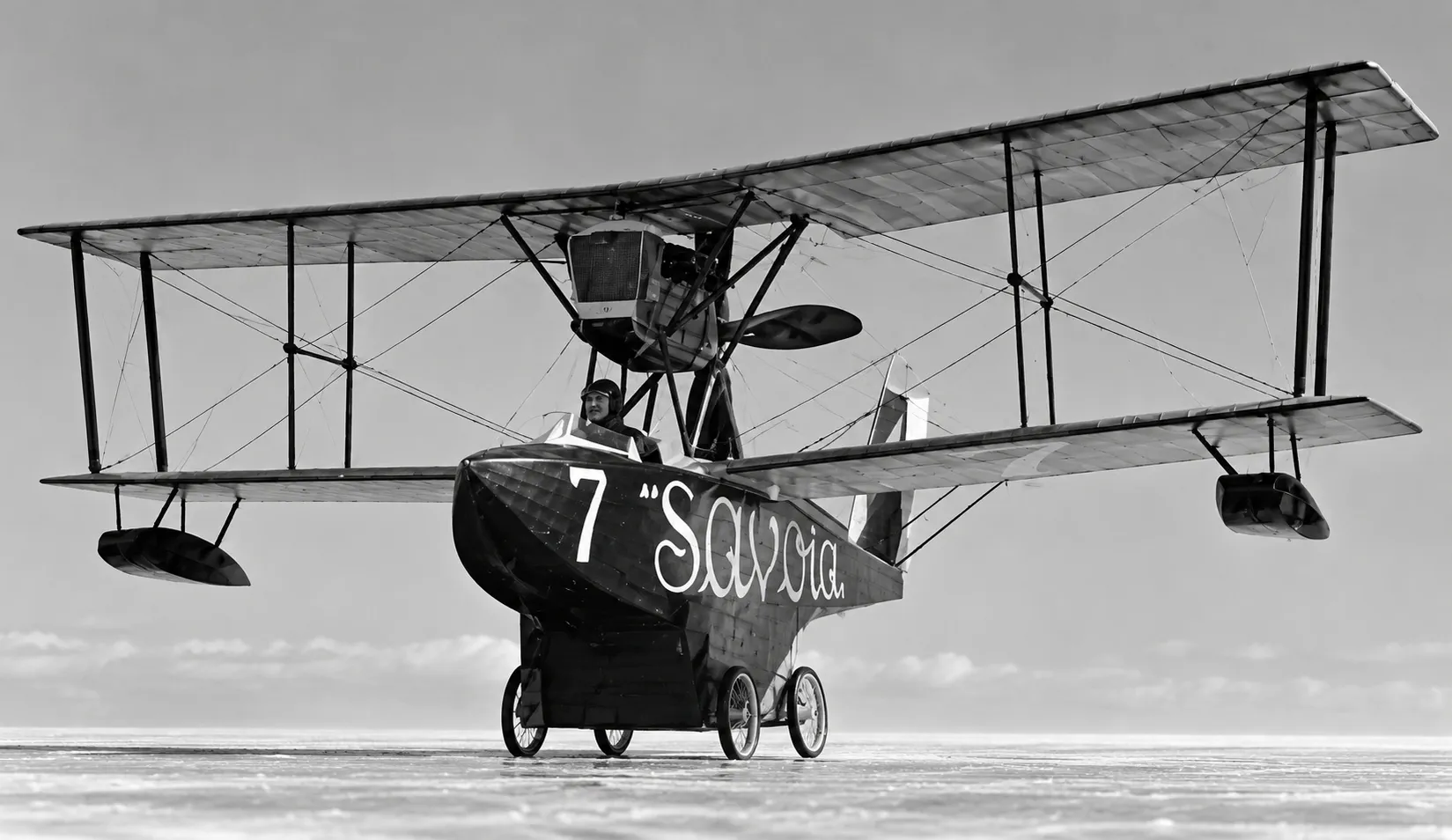
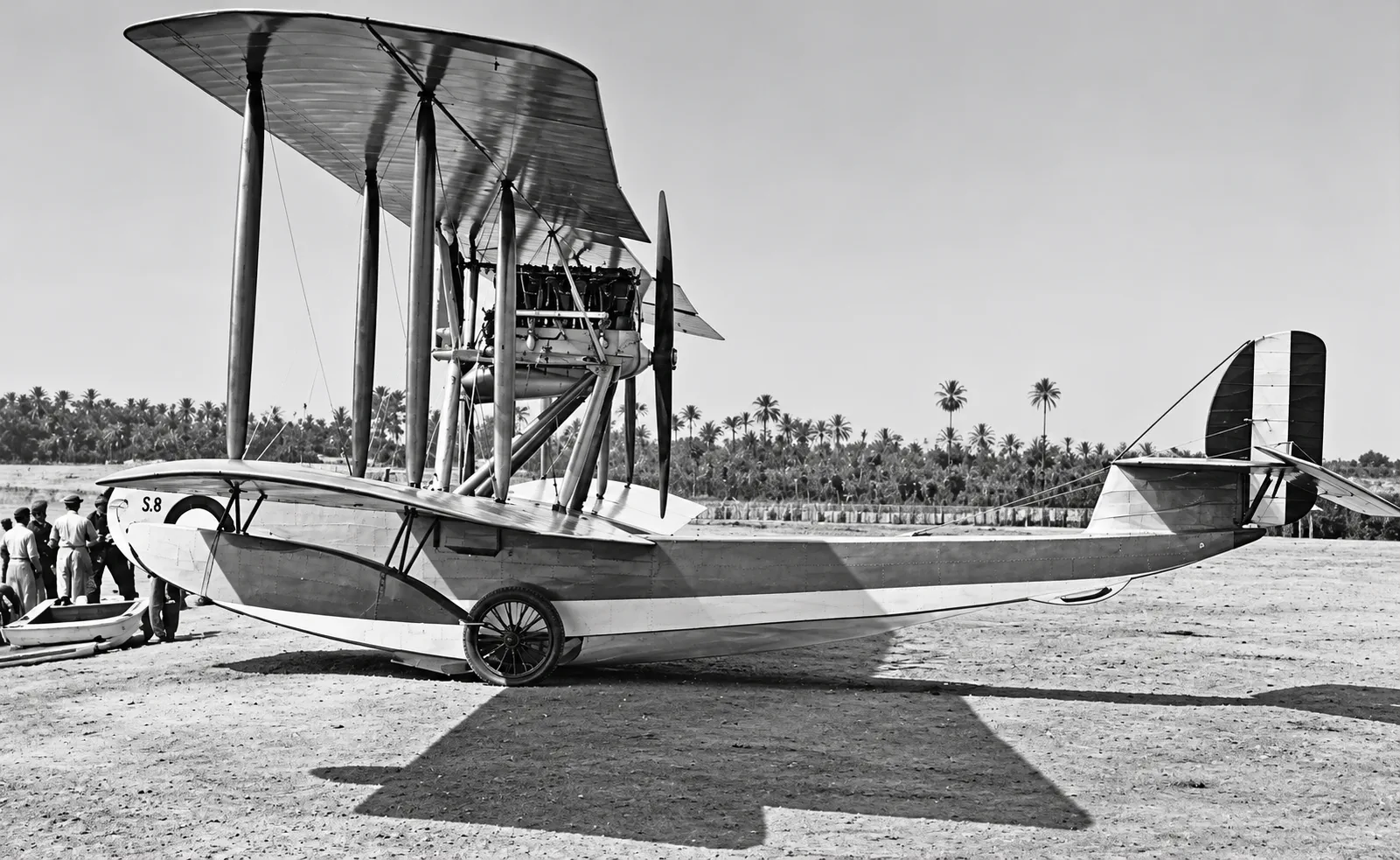
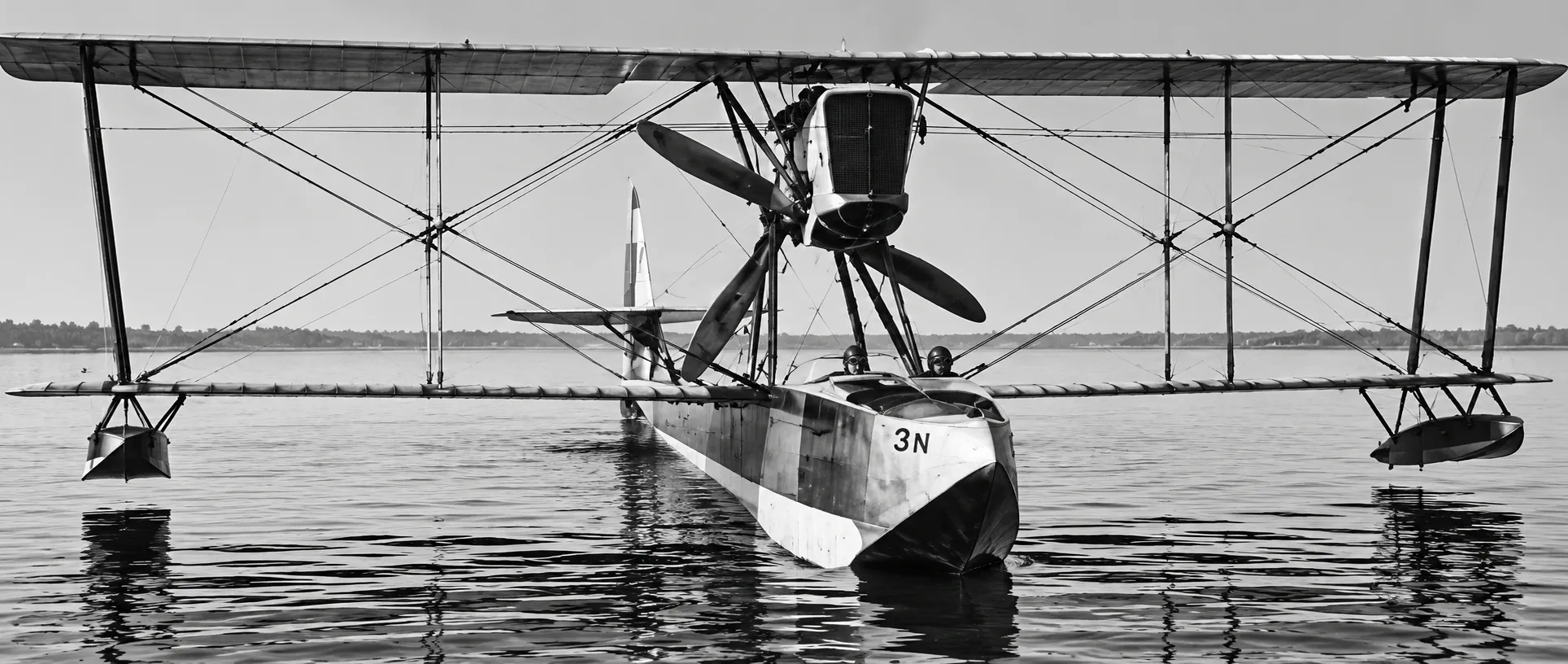
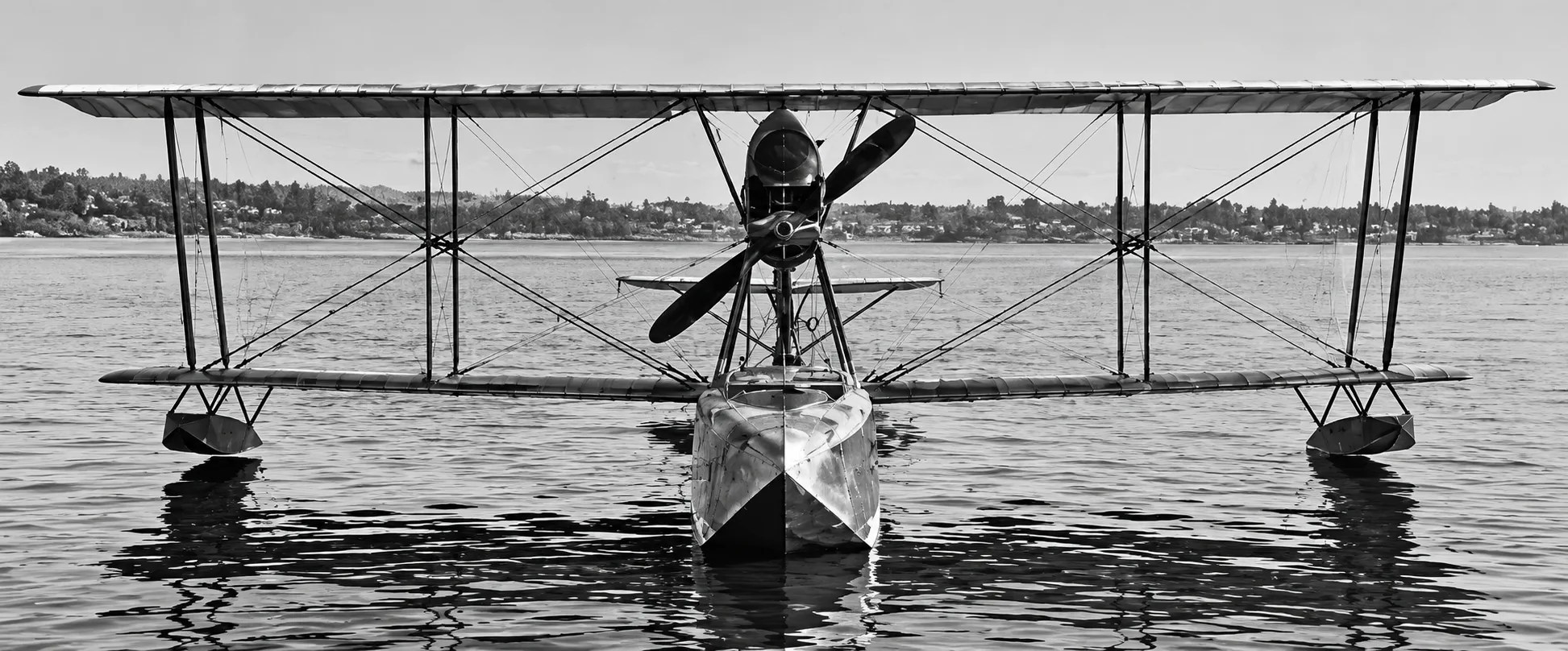
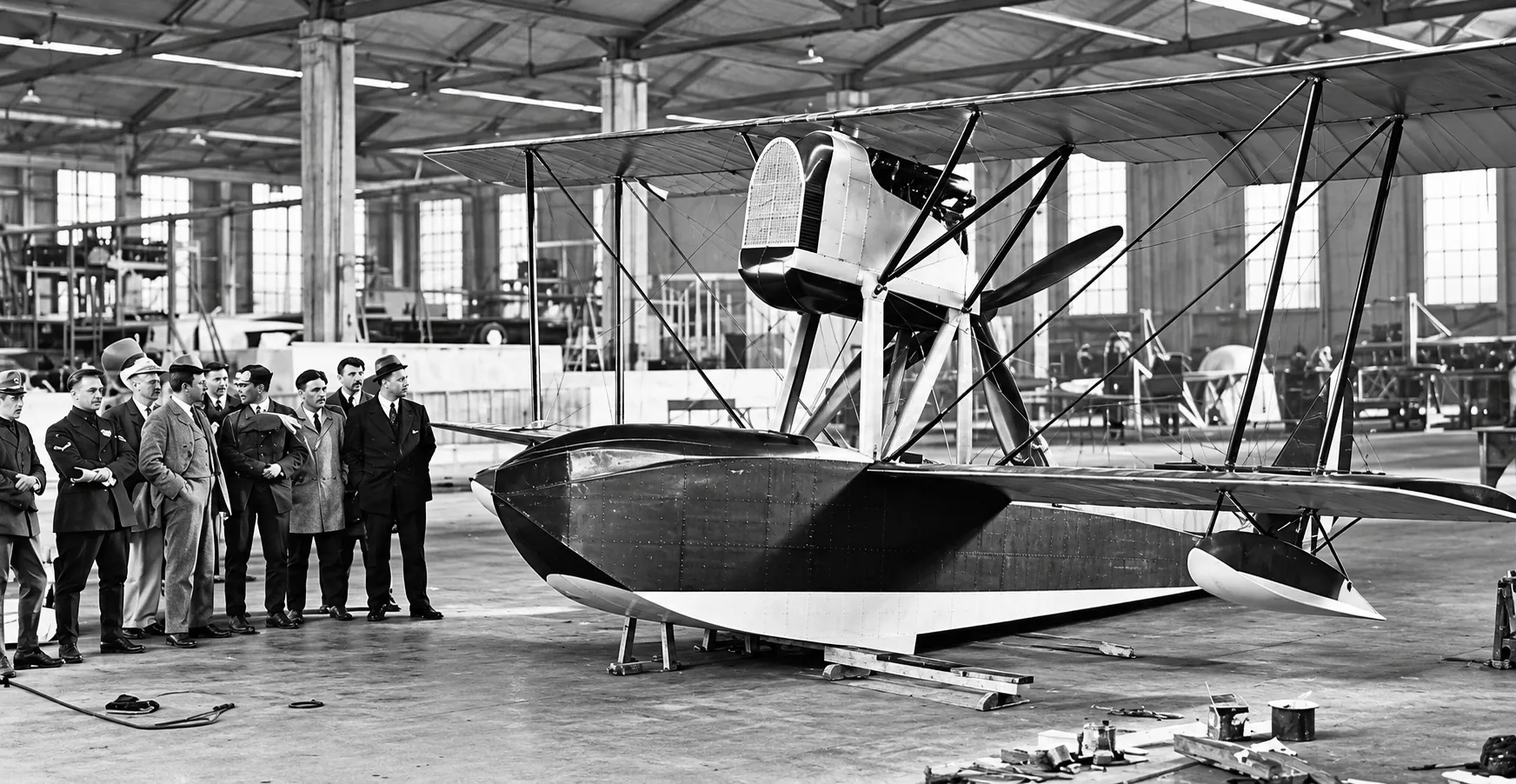
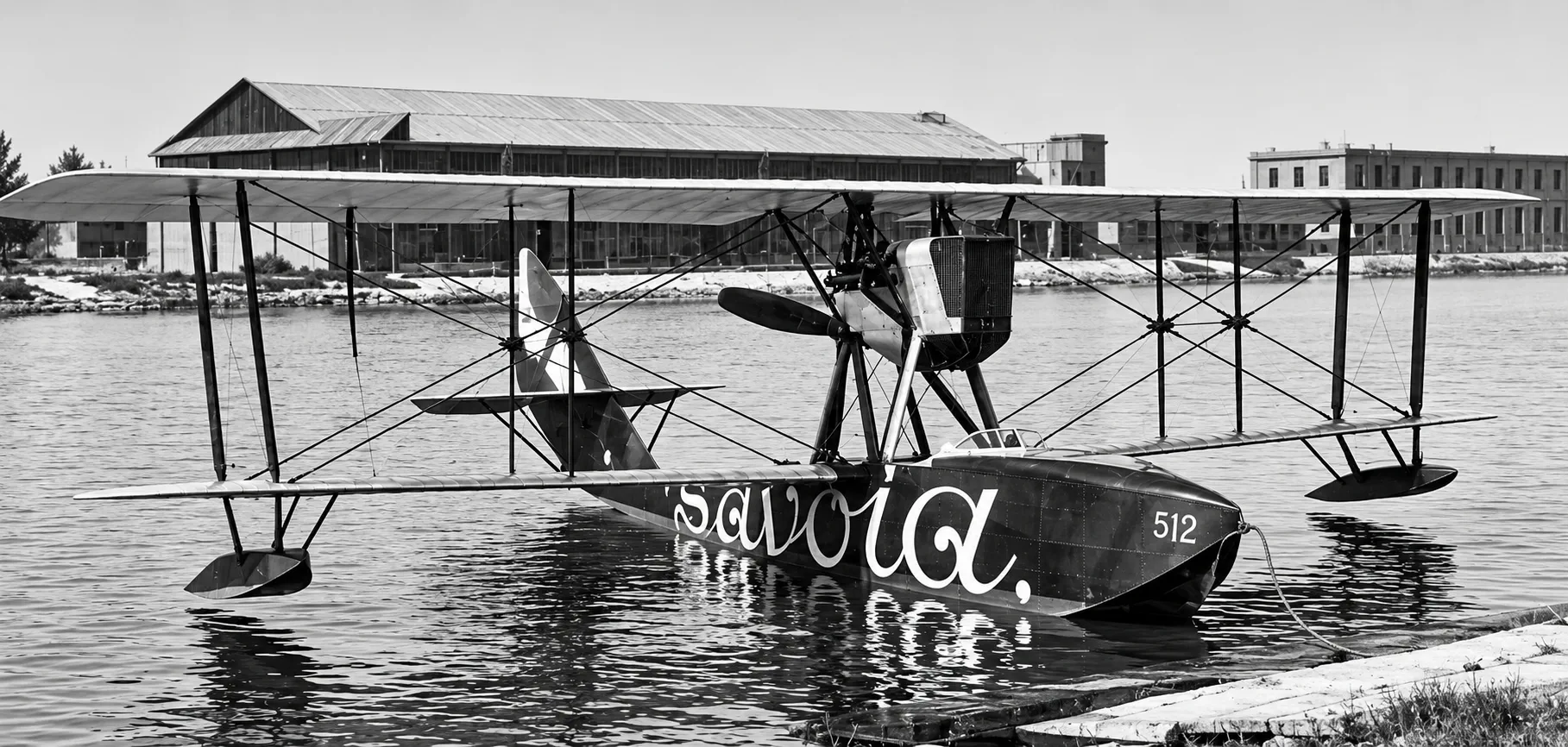
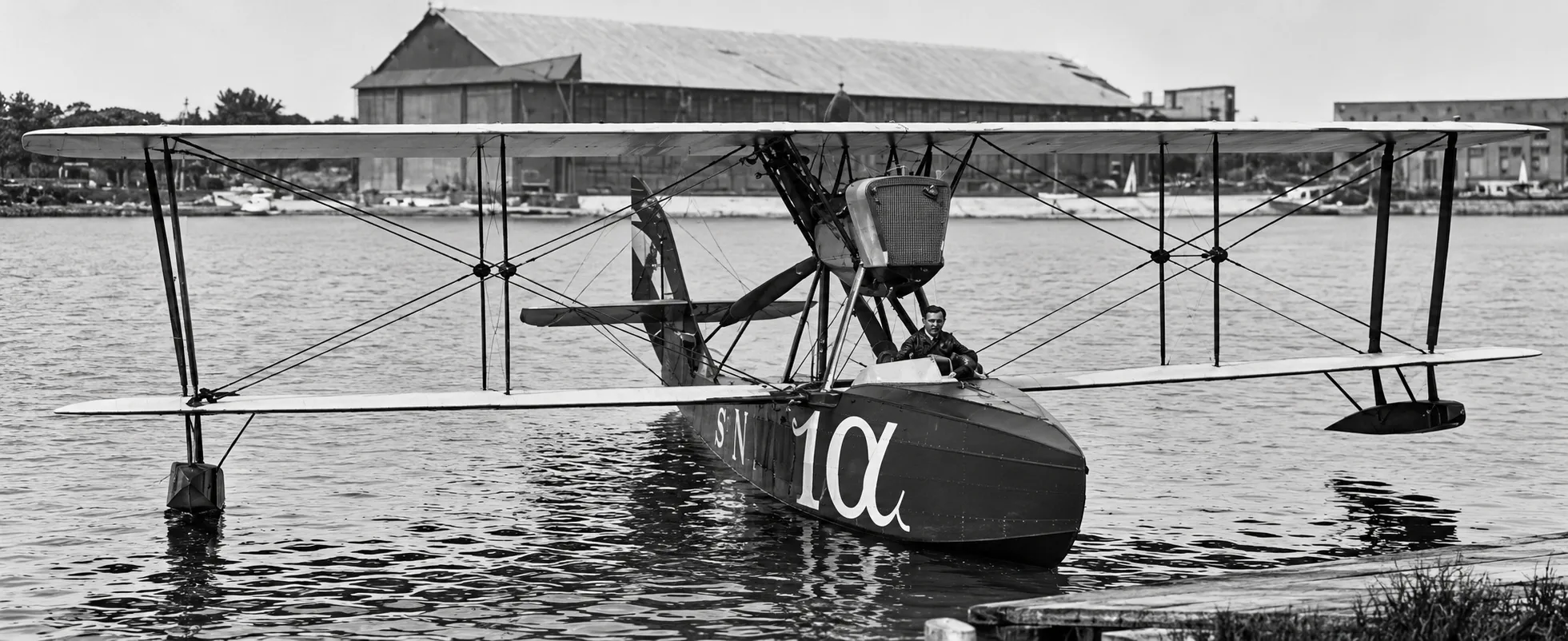
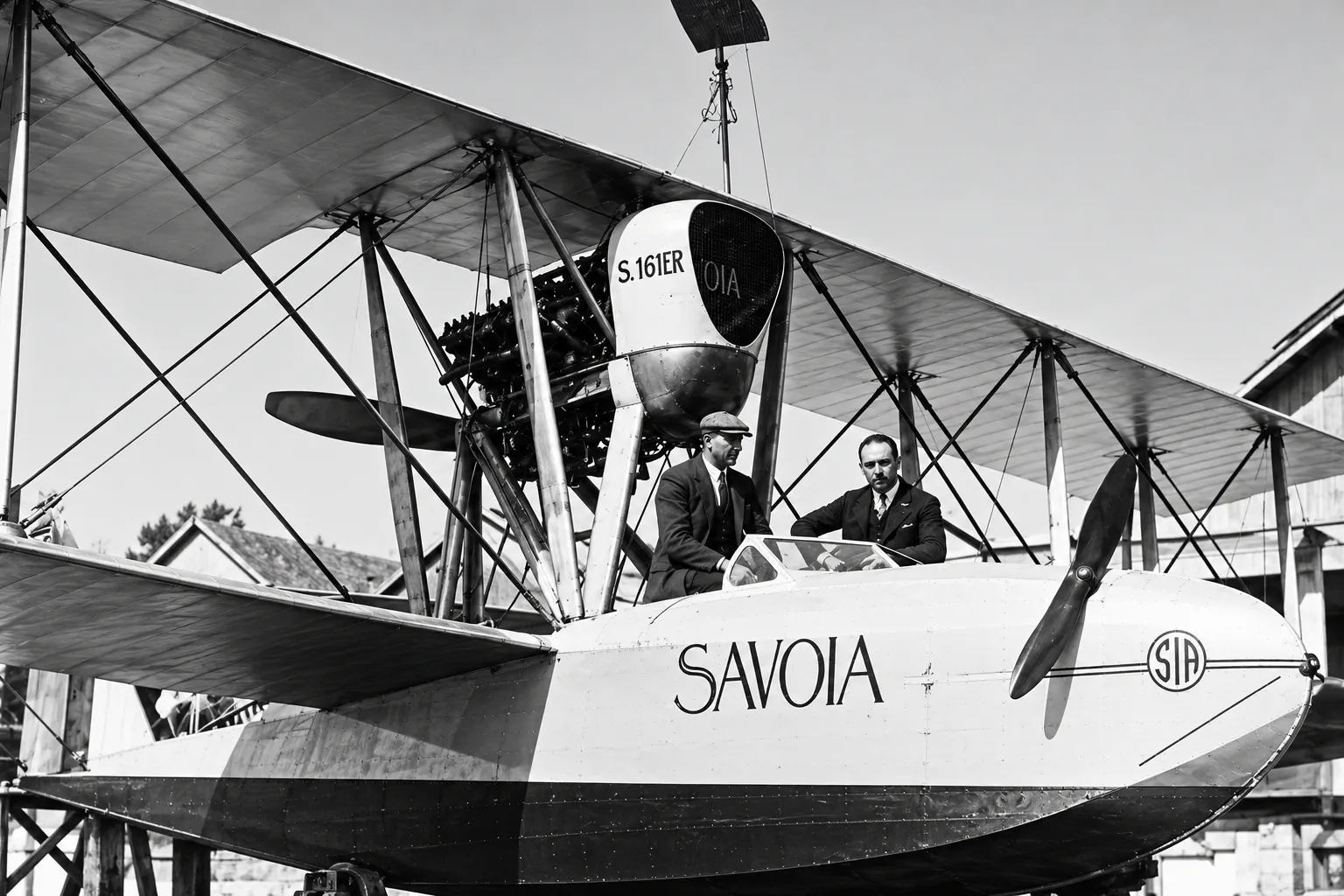
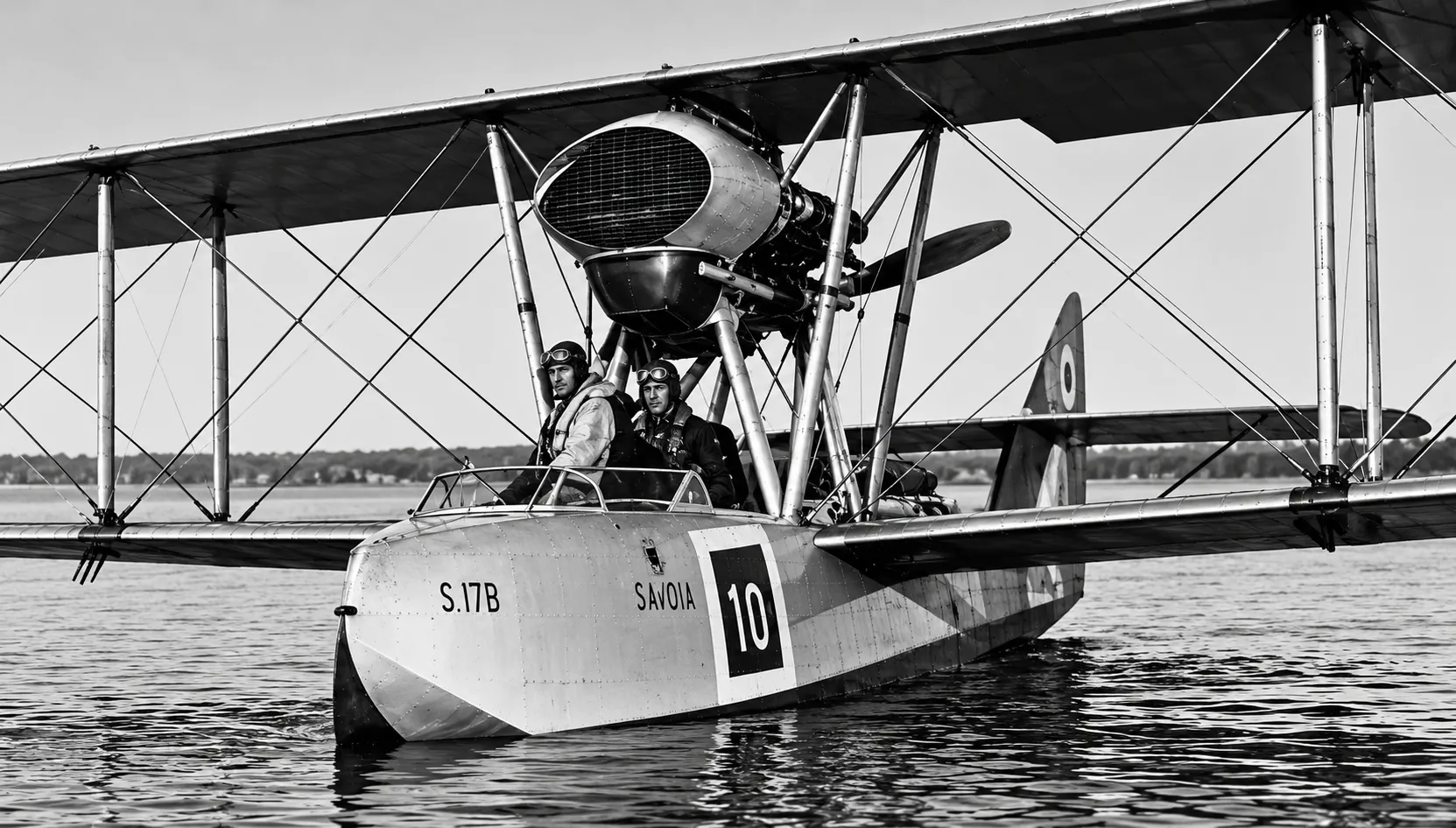
The Societa Idrovolanti Alta Italia (SIAI) refined the design of the SIAI S.9 into the SIAI S.12 a single-engined biplane reconnaissance-bomber flying boat. It had a deep, contoured forward hull with a slim tapered rear section. The Italian Navy was not interested and no orders were placed
Originally designed as sports aircraft and later adapted for military use.

How the course was flown
The 1920 rules were intended to encourage practical seaplanes capable of carrying a useful load. Fondazione Leonardo’s historical overview says the required useful load was 300 kg and notes that flotation and rough-water handling posed substantial challenges. The Italian Air Force Association also mentions flotation and landing tests in its Schneider Cup history.
What happened on the circuit
The meeting took place in September 1920. The contest is variously dated 19–21 September or 20–21 September in later histories; the race itself and Bologna’s victory are generally placed on 21 September. The British team withdrew, and the French entry of Sadi Lecointe was unable to take part after mechanical trouble. Italy therefore had the only aircraft to complete the contest. Some accounts call Luigi Bologna the only starter; others describe several Italian aircraft as entered or undergoing trials, so “only finisher” is the safest description across sources.
Luigi Bologna won in the Savoia S.12 or S.12bis (the subtype is inconsistently reported), powered by an Ansaldo V-12. Accounts disagree on the engine rating: commonly 550 hp, while HistoryNet gives 500 hp. Bologna’s recorded time was 2 hours, 10 minutes, 35 seconds. Result summaries also differ slightly in distance and average speed:
Results and significance
| Result | Pilot | Aircraft | Time / average speed |
|---|---|---|---|
| 1 | Luigi Bologna (Italy) | Savoia S.12, no. 7 (also identified as S.12bis in some accounts) | 2:10:35; 105.971 mph (170.55 km/h) |
Notes on the record. Bologna was the only pilot to complete the contest, so the recorded result has one finisher. The event was effectively uncontested: Britain did not enter and the French entry withdrew after difficulties in the preliminary trials. The result listing gives Bologna's time as 2:10:35 and average speed as 105.971 mph. AirRace: Schneider Cup results; HydroRetro: 1920 race chronology.
Uncertainties and variations. Sources differ on the aircraft's suffix: some call it the Savoia S.12, while others use S.12bis. Published average speeds also vary: HydroRetro gives 172.561 km/h, and the Italian Aeronautics Association gives 172.484 km/h (both about 107.2 mph), rather than the AirRace table's 105.971 mph. Distance accounts likewise vary: race summaries commonly describe 10 laps of a 37.5 km (about 23.3 mile) course, while another history gives 230.68 miles. The 37.5 km figure and the AirRace time/speed do not convert to precisely the same total distance, so the table retains the time and speed reported together in the AirRace results and does not present a reconciled course distance. Accounts also differ on the event's date span, variously giving 20–21 September or extending the chronology through 22 September. AirRace: concise history; Associazione Arma Aeronautica: Schneider Trophy history; HistoryNet: Schneider Trophy race.
Air Journal reports 375.560 km completed in 2:10:35. That distance and time imply about 172.5 km/h (107.2 mph), close to figures near 172.5 km/h given by HydroRetro and the Italian Air Force Association. AirRace’s 105.971 mph corresponds to about 170.5 km/h. Since the published sources do not explain the discrepancy, the exact official average speed should be treated as uncertain; the elapsed time and Bologna’s win are much more consistent across accounts.
The victory gave Italy the Schneider Trophy for the first time. The S.12’s success followed the withdrawal or failure of rival entries and was a significant demonstration of Italian seaplane design, although Bologna did not face a full international field on race day. The aircraft is called S.12 by some summaries and S.12bis by others; engine-power claims also range from 500 to 550 hp. These variants are retained here as source disagreements rather than silently reconciled. Further accounts: Society of Air Racing Historians results, HydroRetro, Air Journal, HistoryNet, and Fondazione Leonardo.