1913
Location
Race Details
1913 Schneider Cup Course
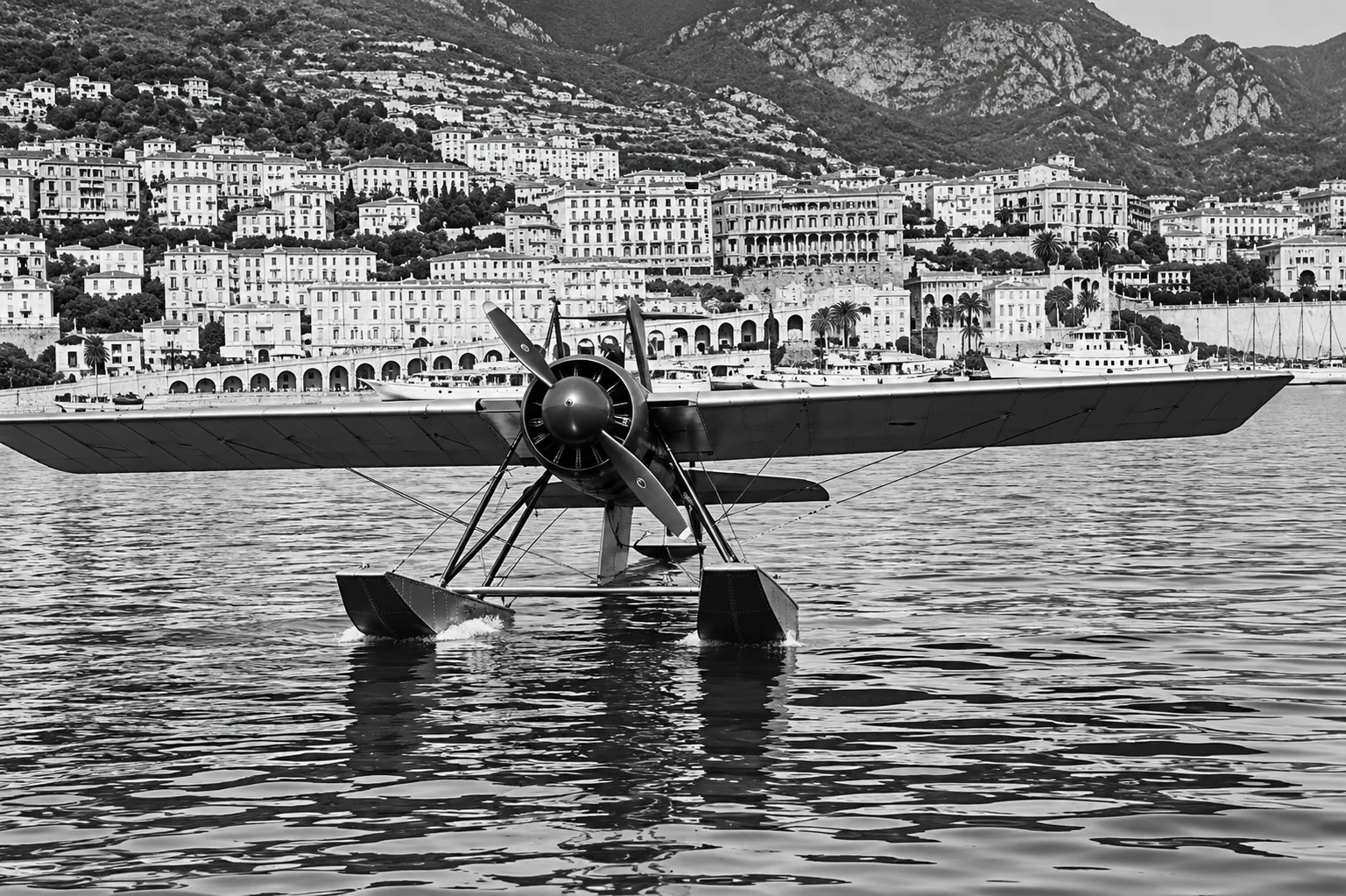
The first Jacques Schneider Trophy contest was held at Monaco on 16 April 1913, as part of the Monaco seaplane meeting. The course was a closed triangular circuit over the Mediterranean in the bay off Monaco. The widely repeated reconstruction is 28 laps of a 10-kilometre circuit, or about 280 kilometres (174 statute miles). An official U.S. Air Service account from 1929 and the Society of Air Racing Historians’ results table both give 28 × 10 km = 280 km. A detailed modern French history based on contemporary aviation journals instead describes 27 laps × 10 km = 270 km, also calling this 150 miles. These versions conflict; neither the exact lap count nor a precise historical track survey was located. The accompanying map depicts a plausible triangle, but its course line and buoy locations are approximate, not surveyed historical coordinates. Sources: the U.S. Air Service Newsletter (1929), AirRace results, and HydroRetro’s documented study of the first Schneider contest.
The event was not simply a modern-style airborne start. Competitors first had to travel across the water for 2.5 miles, then take off and fly the circuit; the finish had to be crossed in flight. The initial water run tested handling and seaworthiness as well as speed. A modern Italian Air Force Association history also says pilots had to touch down at least twice during the contest. Sources differ in how they convert or describe the initial water run: 2.5 statute miles is about 4.0 km, while some accounts give roughly 4.5 km or 5.5 km. These figures should not be treated as exact equivalents. The 270-km account also equates 270 km with 150 miles, a figure closer to 150 nautical miles (277.8 km) than 150 statute miles (241.4 km). That unit ambiguity may explain some later distance discrepancies, but the records consulted do not resolve the issue. See Associazione Arma Aeronautica and HydroRetro’s study.
Monaco hosted a larger seaplane meeting around the trophy race, with trials and qualifying tests beforehand. Tests included starting the engine without outside help, taking off from the water, climbing, a minimum-duration flight, a glide with the engine stopped, landing, and towing the aircraft. The Schneider final was limited by the rules to no more than three aircraft per national aero club. During the race, pilots repeatedly negotiated turns around marking boats or buoys. The sources consulted do not establish the exact 1913 positions of those markers; the map’s triangular track and buoy symbols are illustrative approximations.
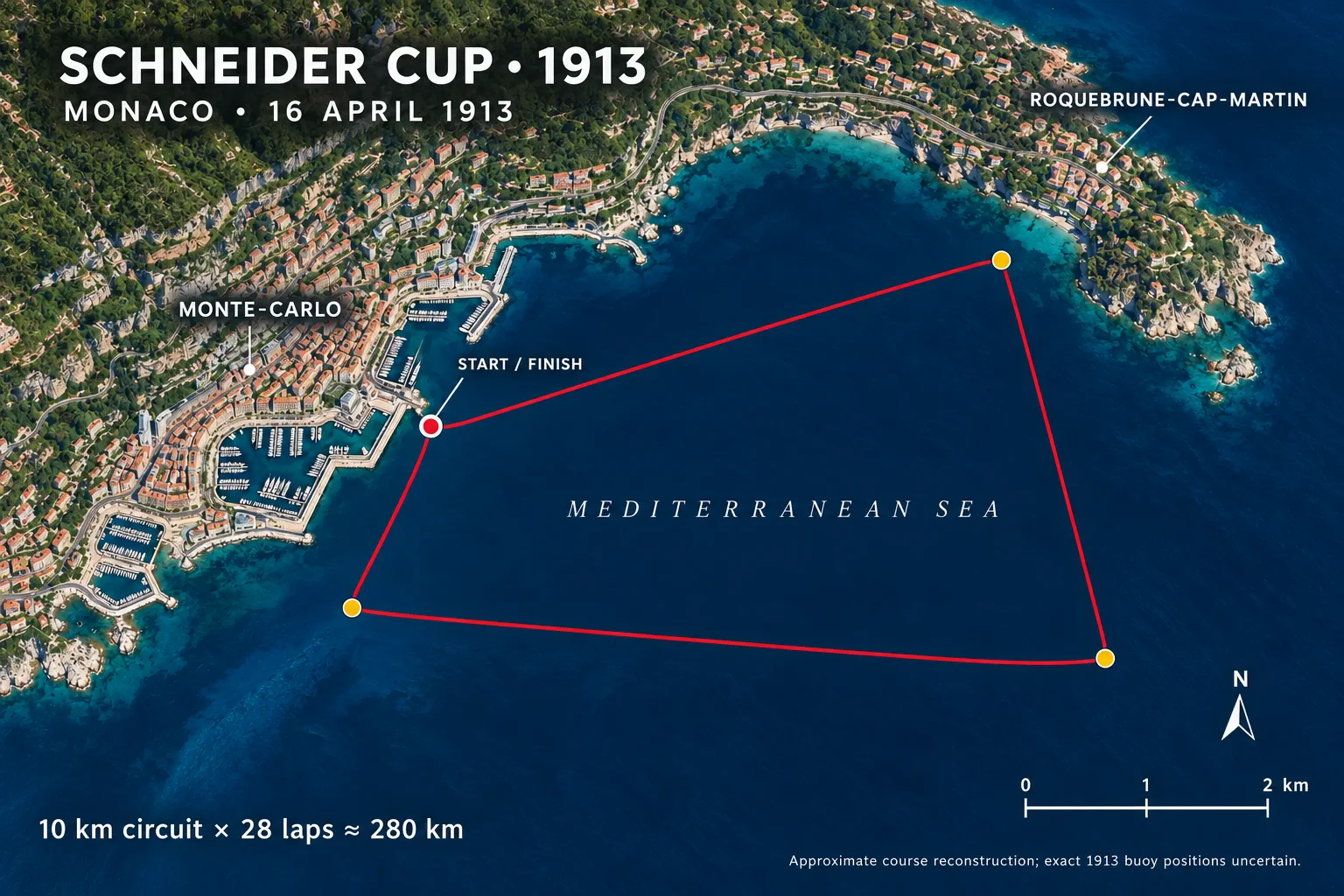
The course length and map’s red line is a visual reconstruction, not a claim to the exact historical buoy layout.
The Winner
45.7 mph

Click the Icons above to be redirected to Wikipedia Information on that subject






What happened on the circuit
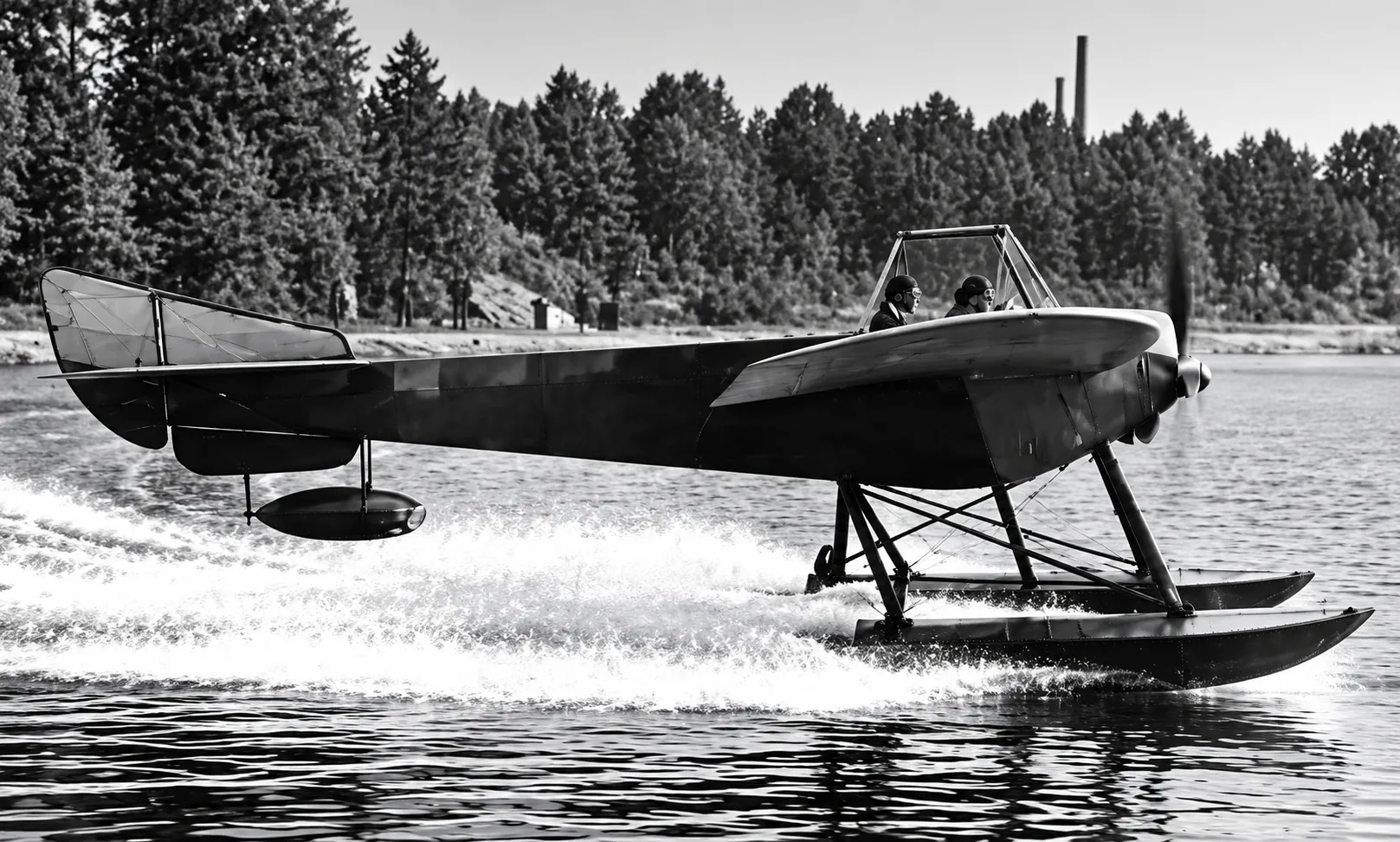
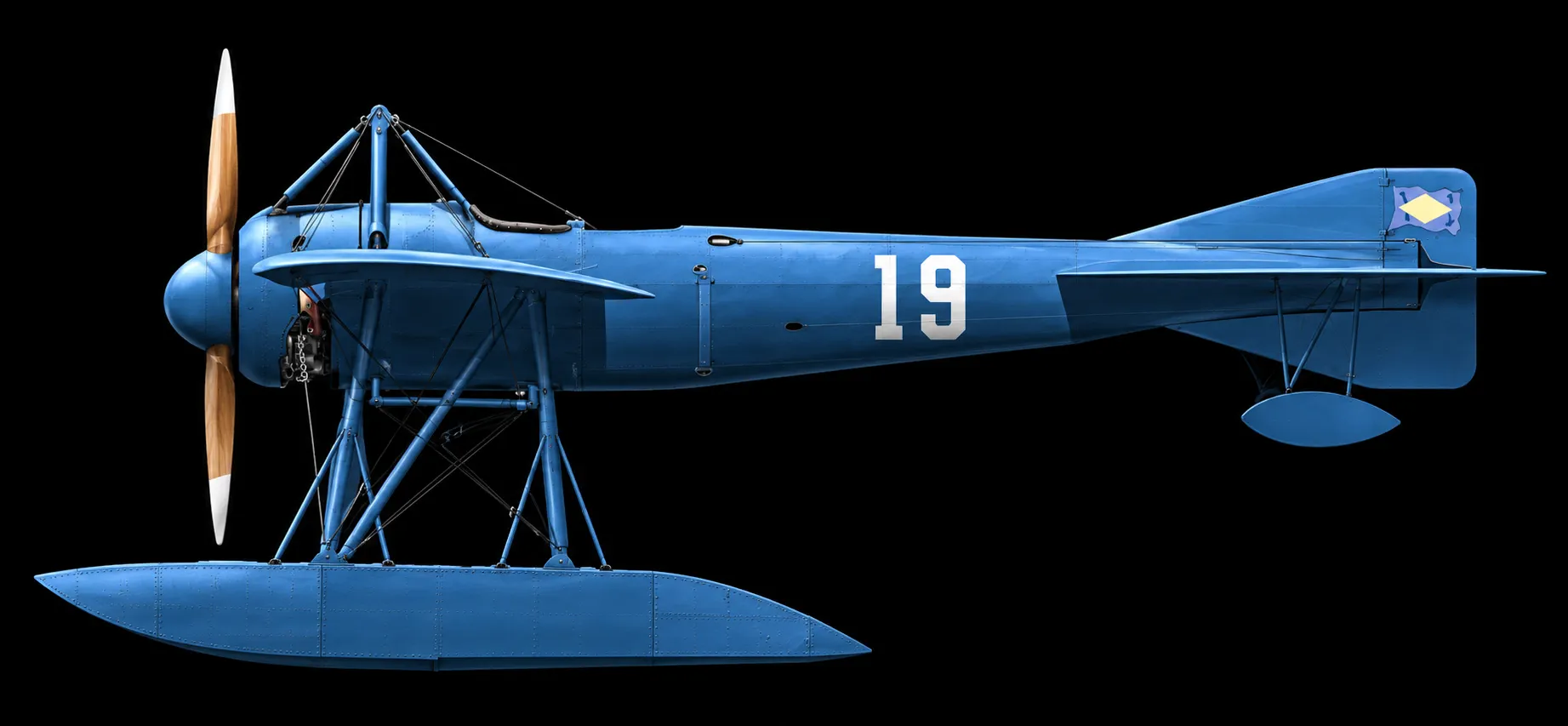
Entries and starters are easy to confuse because many aircraft attended the Monaco meeting, while only a smaller group reached the Schneider final. Several countries expressed interest or submitted entries, but the final was effectively a contest among three French pilots and American-born Charles Weymann, who raced a French-built Nieuport for the United States. The core finalists were Maurice Prévost in a Deperdussin, Roland Garros in a Morane-Saulnier, Gabriel Espanet and Weymann in Nieuports. The detailed HydroRetro study discusses the Monaco trials and identifies those four in the race. Some later accounts give different entrant counts or confuse the final with earlier meeting events; HistoryNet, for example, refers to Louis Gaudart among the race-day trouble, although the detailed race reconstruction describes Garros, Espanet, Prévost and Weymann as the final four.
Results and significance:
| Result | Pilot | Aircraft | Time / average speed |
|---|---|---|---|
| 1 | Howard Pixton (Great Britain) | Sopwith Tabloid floatplane (Sopwith Schneider), no. 3 | Average speed reported as 139.66 km/h (86.78 mph); published figures vary |
| 2 | Ernest Burri (Switzerland; also spelled Burry) | FBA flying boat, no. 7 | Average speed reported as 82.35 km/h (51.17 mph) |
| Retired | Gabriel Espanet (France) | Nieuport seaplane, no. 5 | Retired after engine trouble; sources differ between laps 16 and 17 |
| Retired | Pierre Levasseur (France) | Nieuport seaplane, no. 6 | Retired after engine trouble; sources differ between laps 17 and 18 |
| Retired | Lord Carbery (Great Britain) | Morane-Saulnier or Deperdussin, depending on source | Retired on lap 3 |
| Did not finish | Maurice Prévost (France) | Deperdussin | Listed as giving up at the start; no finishing time |
Notes on the record. Howard Pixton won the 20 April 1914 Monaco race for Great Britain in the float-equipped Sopwith Tabloid, often called the Sopwith Schneider. Ernest Burri of Switzerland finished second. Pixton’s average speed is usually given as about 139.7 km/h (86.8 mph); HydroRetro lists 139.66 km/h. A commonly cited race distance is 28 laps of a roughly 10 km course. HydroRetro: 1914 race history and results; AirRace: Schneider Trophy race accounts; Wonders of World Aviation: Schneider Trophy.
Uncertainties and variations. Published winning speeds differ: HydroRetro gives 139.66 km/h, while other summaries cite about 139.74 km/h or 86.8–86.9 mph. Reliable summaries consulted do not consistently agree on Pixton’s official elapsed time, so the table gives the reported average speed without inventing a time. Withdrawal laps for the French pilots also differ by a lap between sources. Lord Carbery’s aircraft is identified variously as a Morane-Saulnier or Deperdussin, and Ernest Burri’s surname appears as both Burri and Burry. This Day in Aviation: 20 April 1914; AirRace: Schneider Cup results.
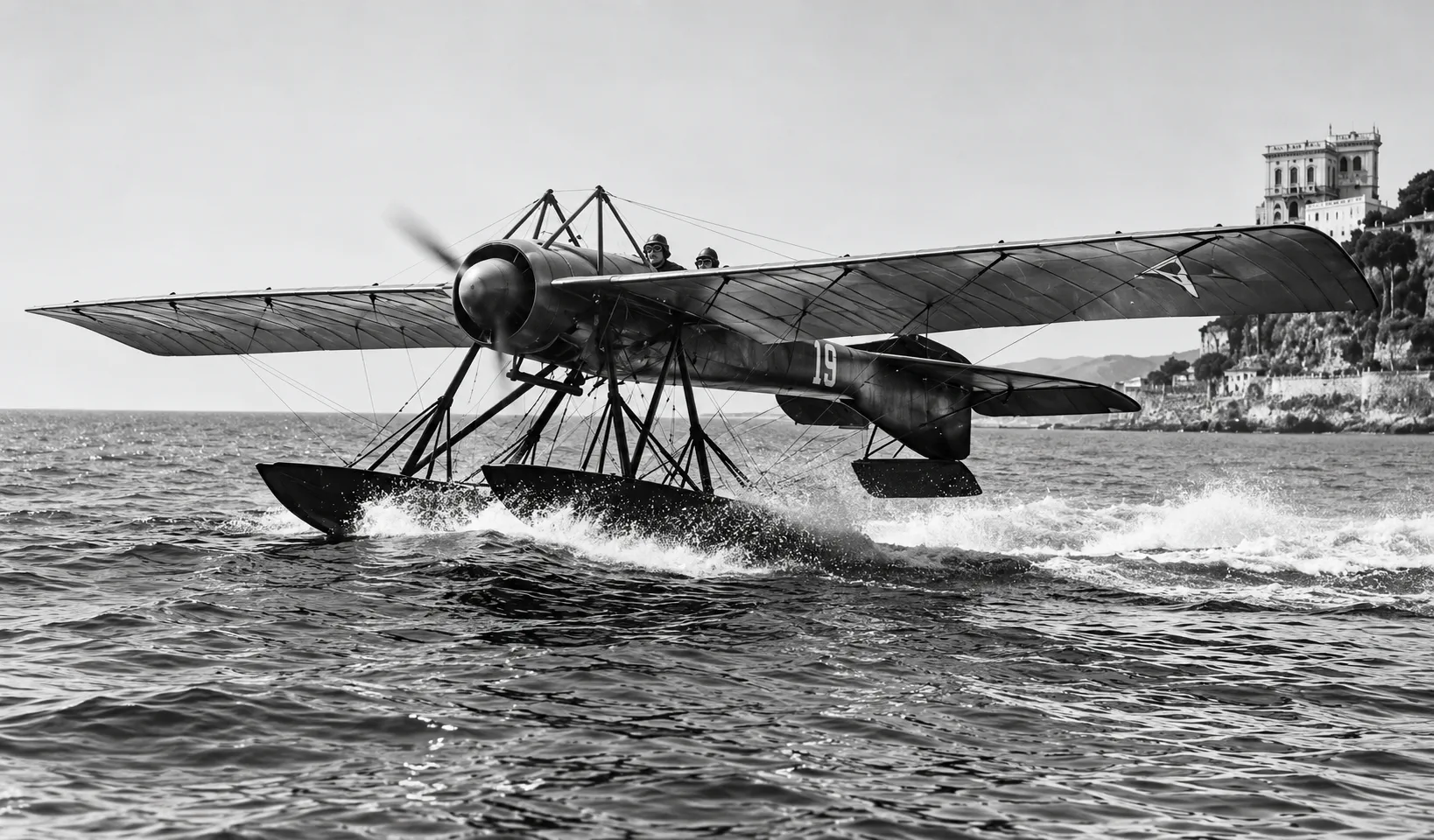
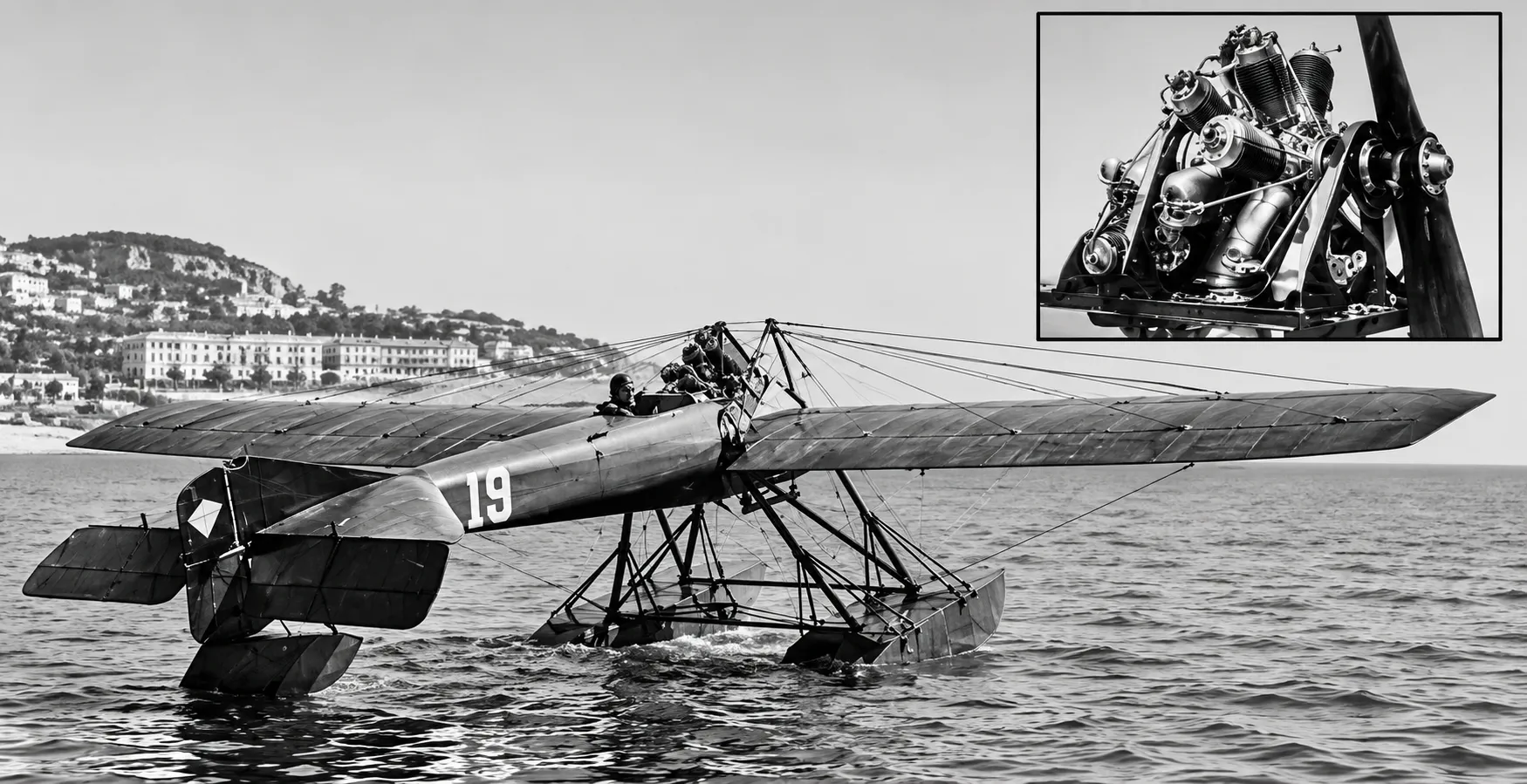
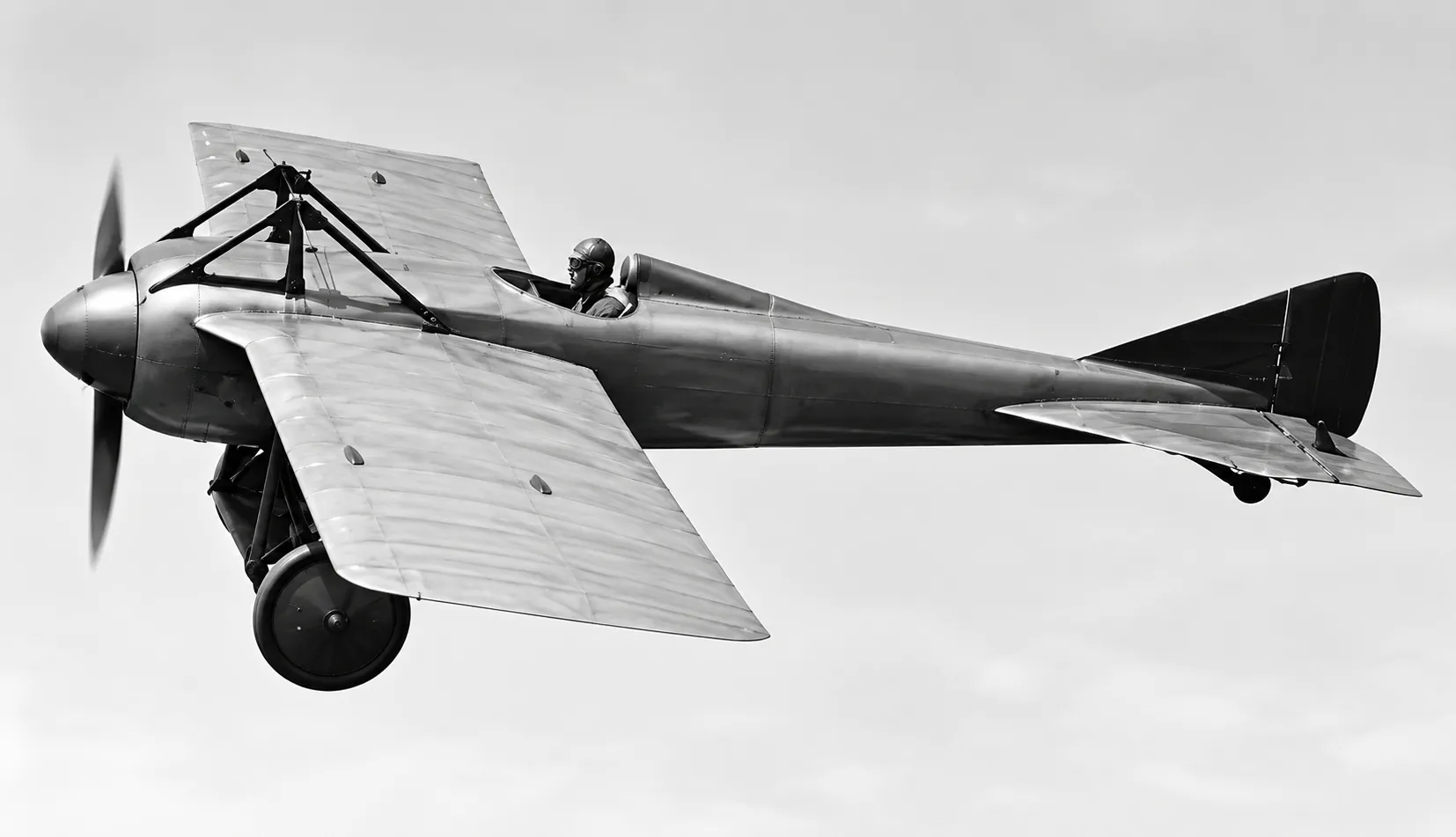
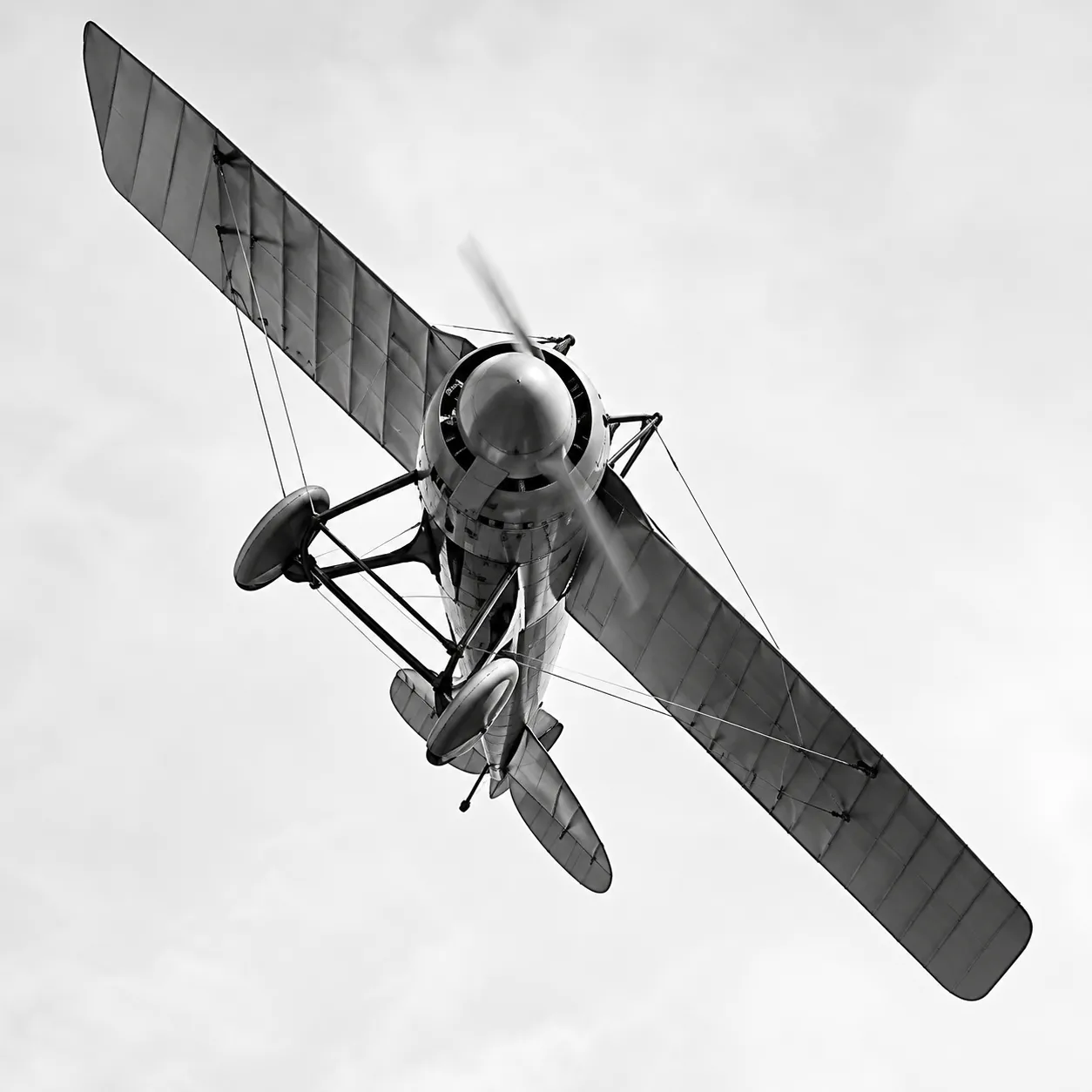
Prévost’s aircraft was a purpose-adapted Deperdussin monoplane on floats, powered by a 160 hp Gnôme rotary engine. He set off first and quickly completed the initial water-navigation portion. Garros’s Morane-Saulnier had trouble in the swell: the detailed French account says an electrical cut-out failure stopped him, followed by further mechanical trouble and long repairs. Espanet’s Nieuport lost power after its engine took in water; he reportedly continued for about 190 km before retiring. The two Nieuports of Weymann and Espanet were both close contenders at different stages, but the surviving summaries conflict over which man reached which lap. AirRace’s results table assigns Espanet to lap 25 and Weymann to lap 8; the U.S. Air Service’s 1929 retrospective says Weymann was forced down after 25 of 28 laps, and HydroRetro’s short race summary likewise puts Weymann near lap 25 and Espanet at lap 8. The detailed HydroRetro narrative describes Weymann catching Prévost and leading by three seconds at 150 km before an engine failure. Since the lap assignments conflict, they should be treated as uncertain rather than definitive.
Prévost’s finish was the decisive drama. He landed on the water roughly 500 metres before the finish line and taxied toward the harbor, apparently believing he had completed the race. The judges required the finish line to be crossed in flight, so his initial finish was rejected. Meanwhile, Weymann’s aircraft stopped with engine trouble. After a delay—reported as about 50 minutes in some summaries, about 58 minutes in a contemporary recollection—Prévost restarted and flew the final distance across the line. Thus he won, but the result and average speed depend on whether the delay is included and on whether the official course is reckoned as 270 or 280 km.
The often-cited official elapsed time is 3 hours, 48 minutes, 22 seconds, with an average speed of 45.75 mph (about 73.6 km/h). Those figures appear in AirRace and the 1929 U.S. Air Service account and are arithmetically consistent with 280 km. Other histories report Prévost’s flying time before the delay as about 2 hours, 50 minutes, an average near 95 km/h over 270 km; some sources give about 98–107 km/h, while the Italian aviation association reports 76 km/h. The range reflects differing course distances, timings, and treatment of the forced restart; it cannot be collapsed to a single uncontested number from the consulted sources. The secure conclusion is that Prévost completed the required course and won the first Schneider Trophy for France.
Results and historical accounts consulted: AirRace results; AirRace’s narrative history; the U.S. Air Service Newsletter, 1929; HydroRetro’s 1913 results summary and its documented study; HistoryNet; and Associazione Arma Aeronautica.