1921
Location

Race Details
1921 Schneider Cup Course
The 1921 Schneider Trophy race was held off the Lido di Venezia, on the Adriatic side of Venice. The best-supported course listing is 16 laps of 24.6 kilometres, giving a nominal total of 393.6 kilometres (about 244.6 statute miles). The Society of Air Racing Historians’ results table gives 16 × 24.6 km, and HistoryNet gives a total distance of about 244.9 miles. AirRace’s narrative history instead calls the lap 13.3 miles, which does not convert to 24.6 km; that appears inconsistent with its own results table. I use the 24.6-km figure here because it agrees with the total race distance and recorded time/speed. Sources: AirRace results, AirRace concise history, and HistoryNet.
The course was a repeated triangular circuit in the sea off Venice’s Lido, with the start/finish reported in front of the Hotel Excelsior. The turns lay offshore, with the exact three buoy positions not confirmed by the written sources available here. The companion map plots a plausible triangle from the Hotel Excelsior waterfront; its route and markers are approximate, not a precise historical survey. The UK National Archives catalogue lists a 1921 Schneider Trophy course plan, but the catalogue description alone does not provide marker coordinates: Science Museum Library and Archives course-map catalogue.
In addition to speed, the 1921 rules emphasized seaworthiness. Contemporary summaries report a six-hour flotation or mooring test and a registration deposit. Some accounts describe it as a new floatation test; others give only a general description of the changed rules. This was part of the shift away from the previous year’s heavy useful-load requirement and toward aircraft that could be left afloat safely. See AirRace’s 1921 account and the Italian Air Force Association history.
Sources also differ on the date. AirRace lists the event as 6–7 August 1921; the Italian Air Force Association describes the start as 6 August; HistoryNet also gives 6–7 August. HydroRetro labels its race history 11 August. The map follows the more widely repeated 6–7 August dating, but that discrepancy is noted here. The location and approximate Lido course are clearer than the exact buoy positions or the precise race-day dating in every secondary account.
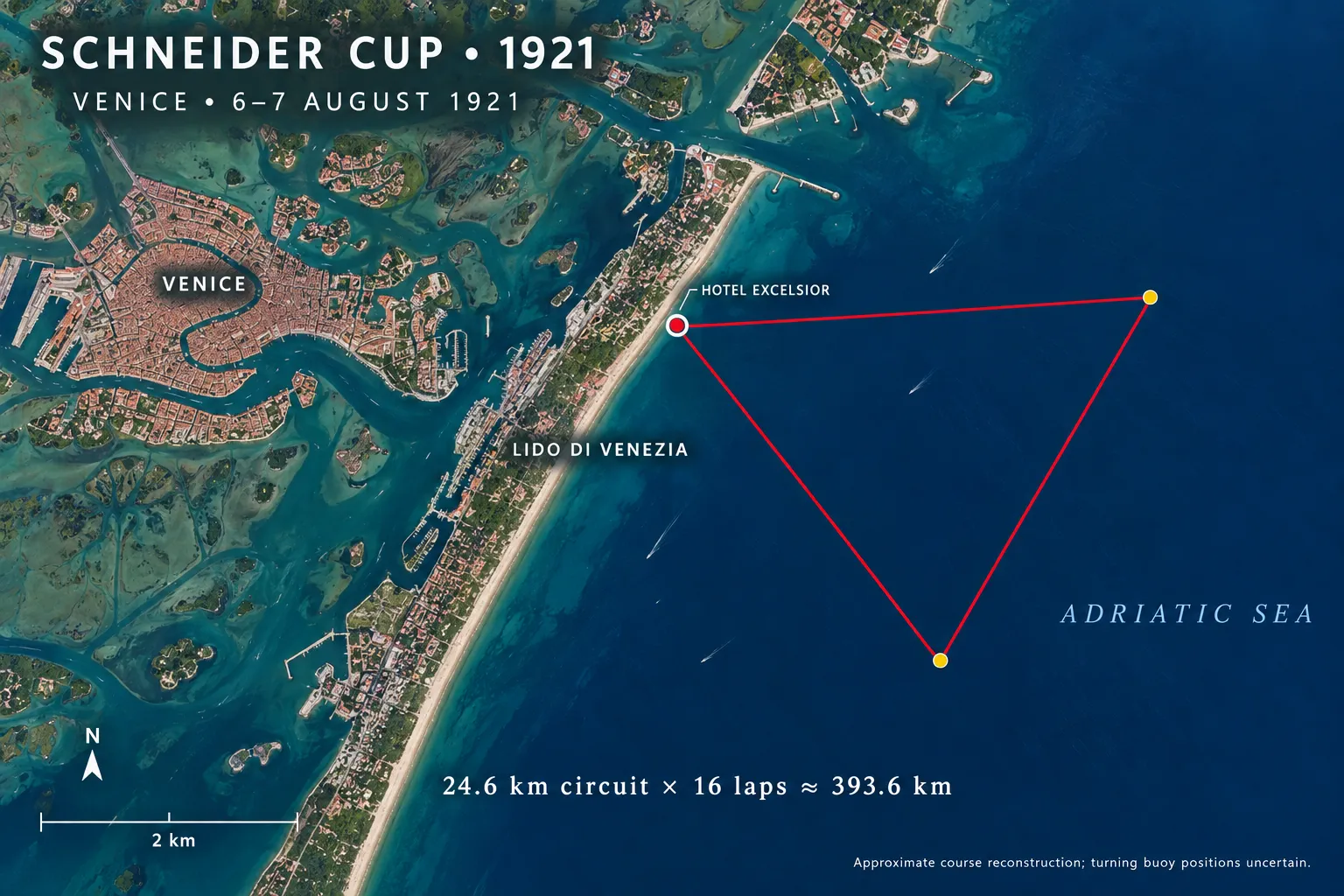
The course length and map’s red line is a visual reconstruction, not a claim to the exact historical buoy layout.
The Winner
(250 hp)
117.86 mph

Click the Icons above to be redirected to Wikipedia Information on that subject
1921 Schneider Cup Course
The 1921 Schneider Trophy race was held off the Lido di Venezia, on the Adriatic side of Venice. The best-supported course listing is 16 laps of 24.6 kilometres, giving a nominal total of 393.6 kilometres (about 244.6 statute miles). The Society of Air Racing Historians’ results table gives 16 × 24.6 km, and HistoryNet gives a total distance of about 244.9 miles. AirRace’s narrative history instead calls the lap 13.3 miles, which does not convert to 24.6 km; that appears inconsistent with its own results table. I use the 24.6-km figure here because it agrees with the total race distance and recorded time/speed. Sources: AirRace results, AirRace concise history, and HistoryNet.
The course was a repeated triangular circuit in the sea off Venice’s Lido, with the start/finish reported in front of the Hotel Excelsior. The turns lay offshore, with the exact three buoy positions not confirmed by the written sources available here. The companion map plots a plausible triangle from the Hotel Excelsior waterfront; its route and markers are approximate, not a precise historical survey. The UK National Archives catalogue lists a 1921 Schneider Trophy course plan, but the catalogue description alone does not provide marker coordinates: Science Museum Library and Archives course-map catalogue.
In addition to speed, the 1921 rules emphasized seaworthiness. Contemporary summaries report a six-hour flotation or mooring test and a registration deposit. Some accounts describe it as a new floatation test; others give only a general description of the changed rules. This was part of the shift away from the previous year’s heavy useful-load requirement and toward aircraft that could be left afloat safely. See AirRace’s 1921 account and the Italian Air Force Association history.
Sources also differ on the date. AirRace lists the event as 6–7 August 1921; the Italian Air Force Association describes the start as 6 August; HistoryNet also gives 6–7 August. HydroRetro labels its race history 11 August. The map follows the more widely repeated 6–7 August dating, but that discrepancy is noted here. The location and approximate Lido course are clearer than the exact buoy positions or the precise race-day dating in every secondary account.






What happened on the circuit
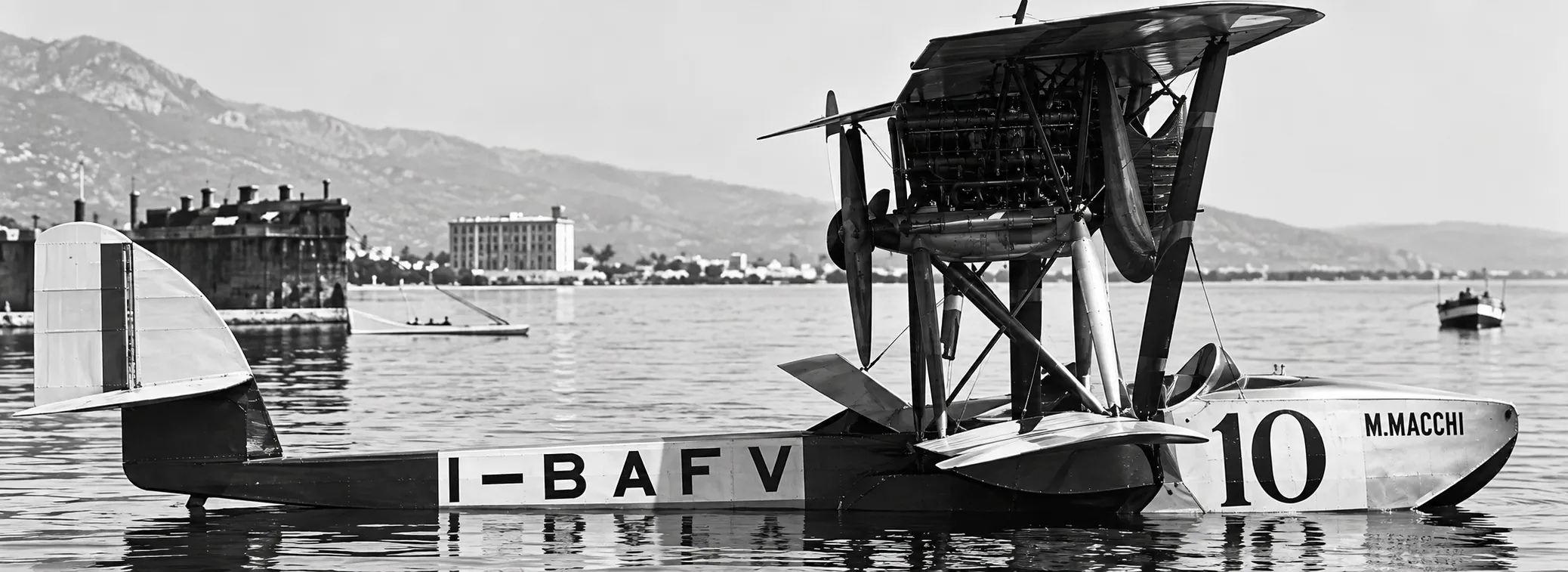
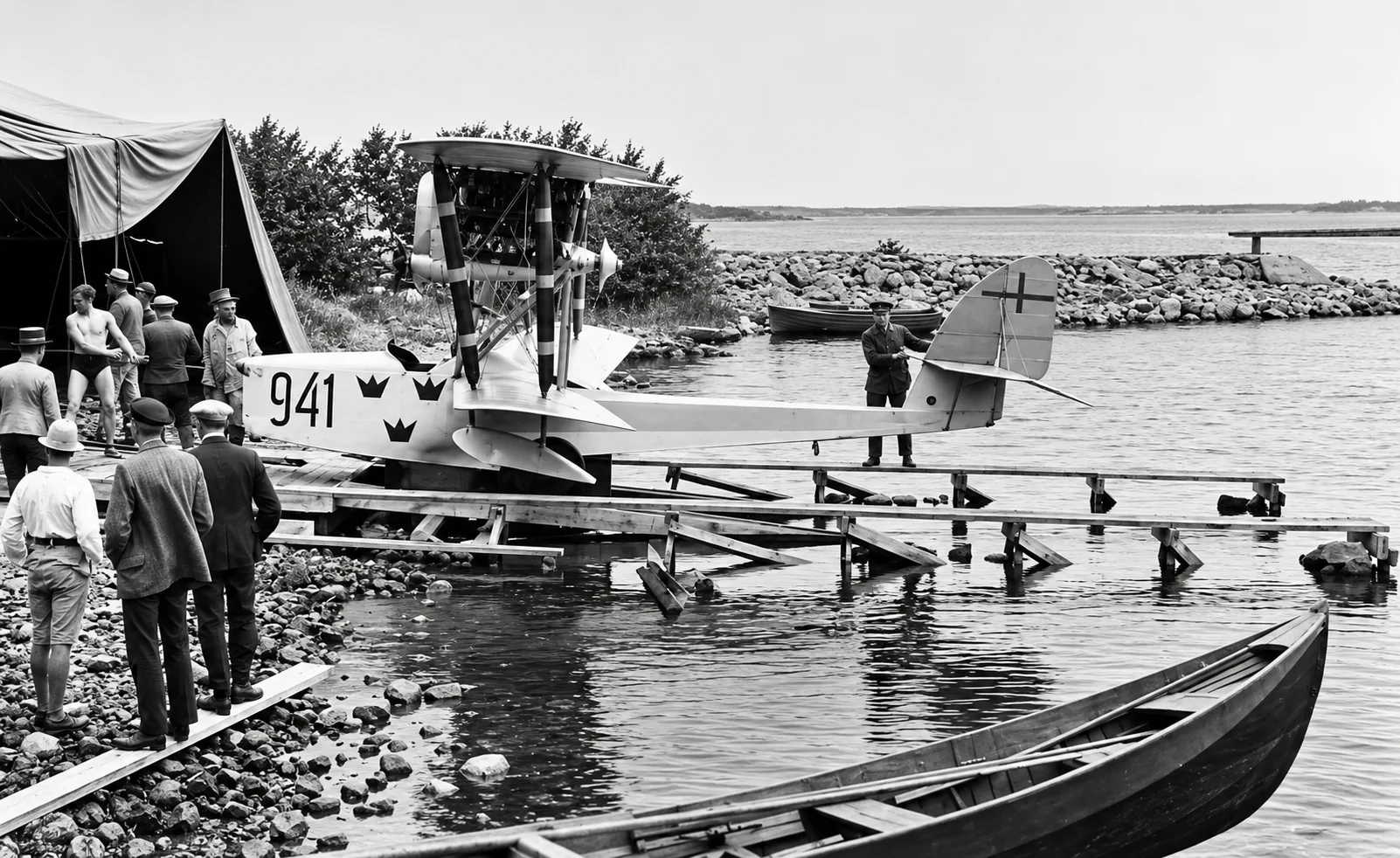
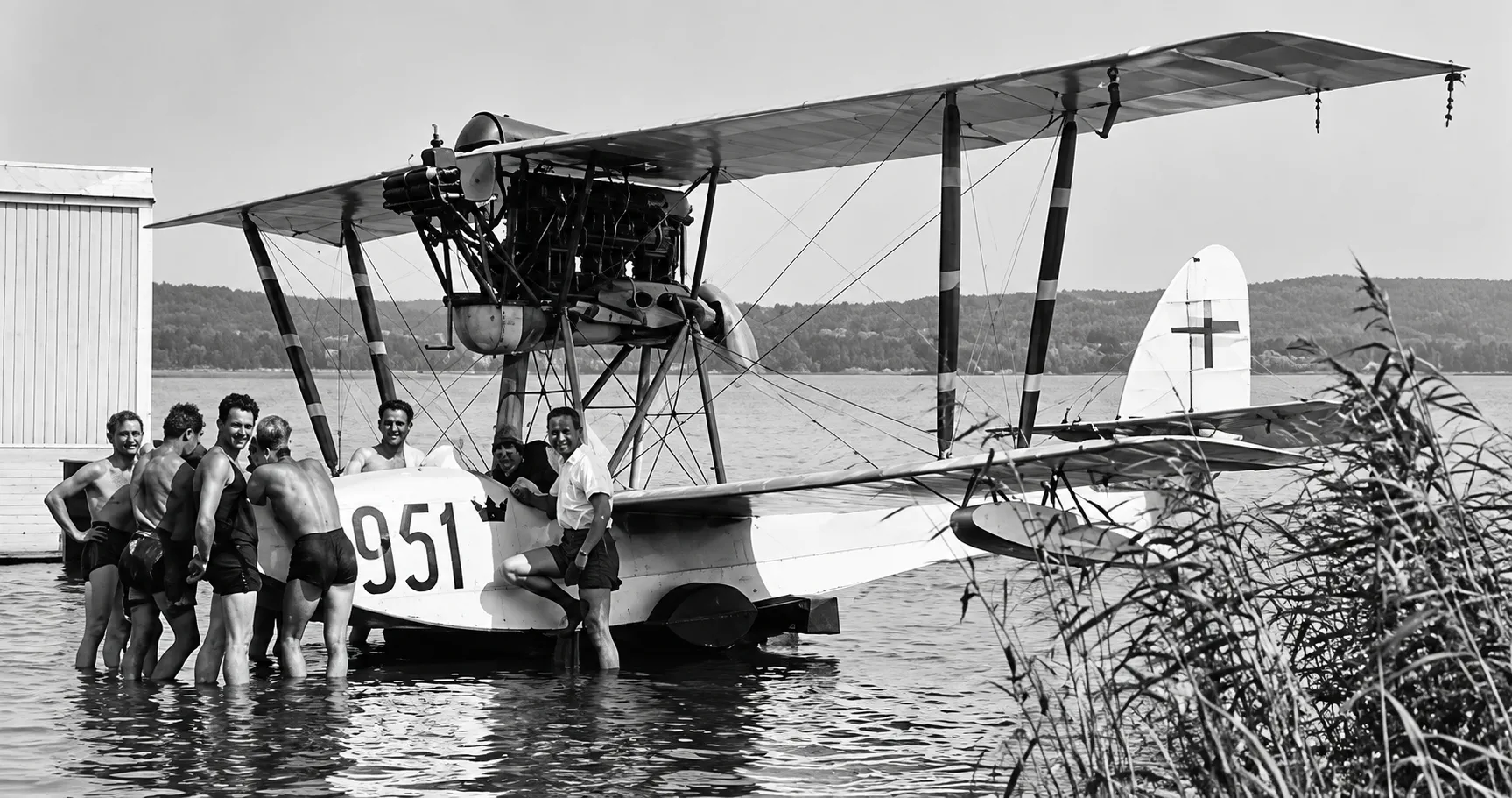
The race was held at Venice in August 1921. Italy entered three aircraft in the final; the only foreign entry was French pilot Sadi Lecointe in a Nieuport-Delage 29. His aircraft was damaged in a pre-race test or navigability trial and could not start, leaving an all-Italian race. Reports variously describe the damage as a crash, a hard landing that damaged the floats, or bent float struts. The British and American teams did not take part. Accounts vary between describing the meeting date as 6–7 August and giving 11 August; AirRace and HistoryNet use 6–7 August, while HydroRetro labels its account 11 August.
Results and significance:
| Result | Pilot | Aircraft | Time / average speed |
|---|---|---|---|
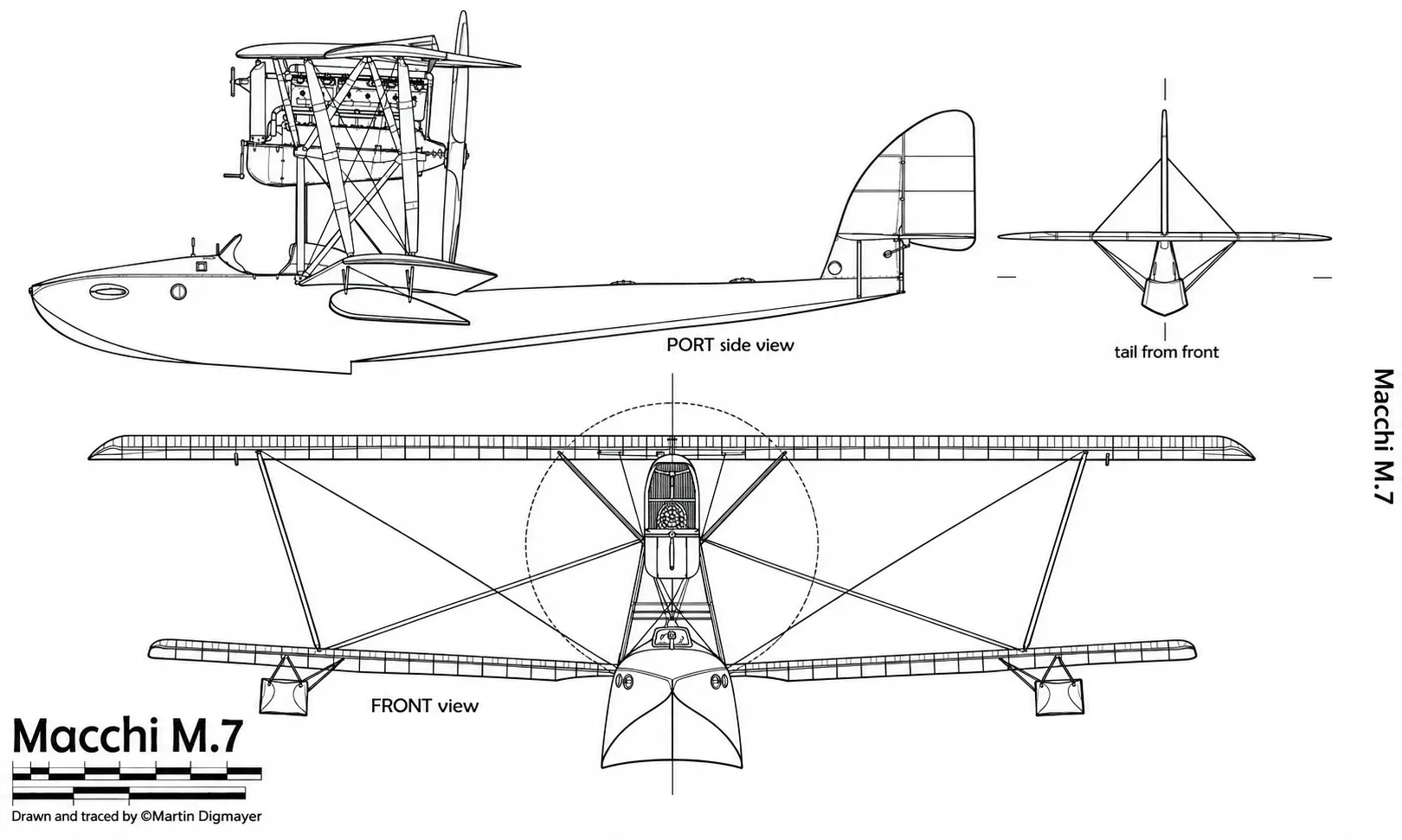
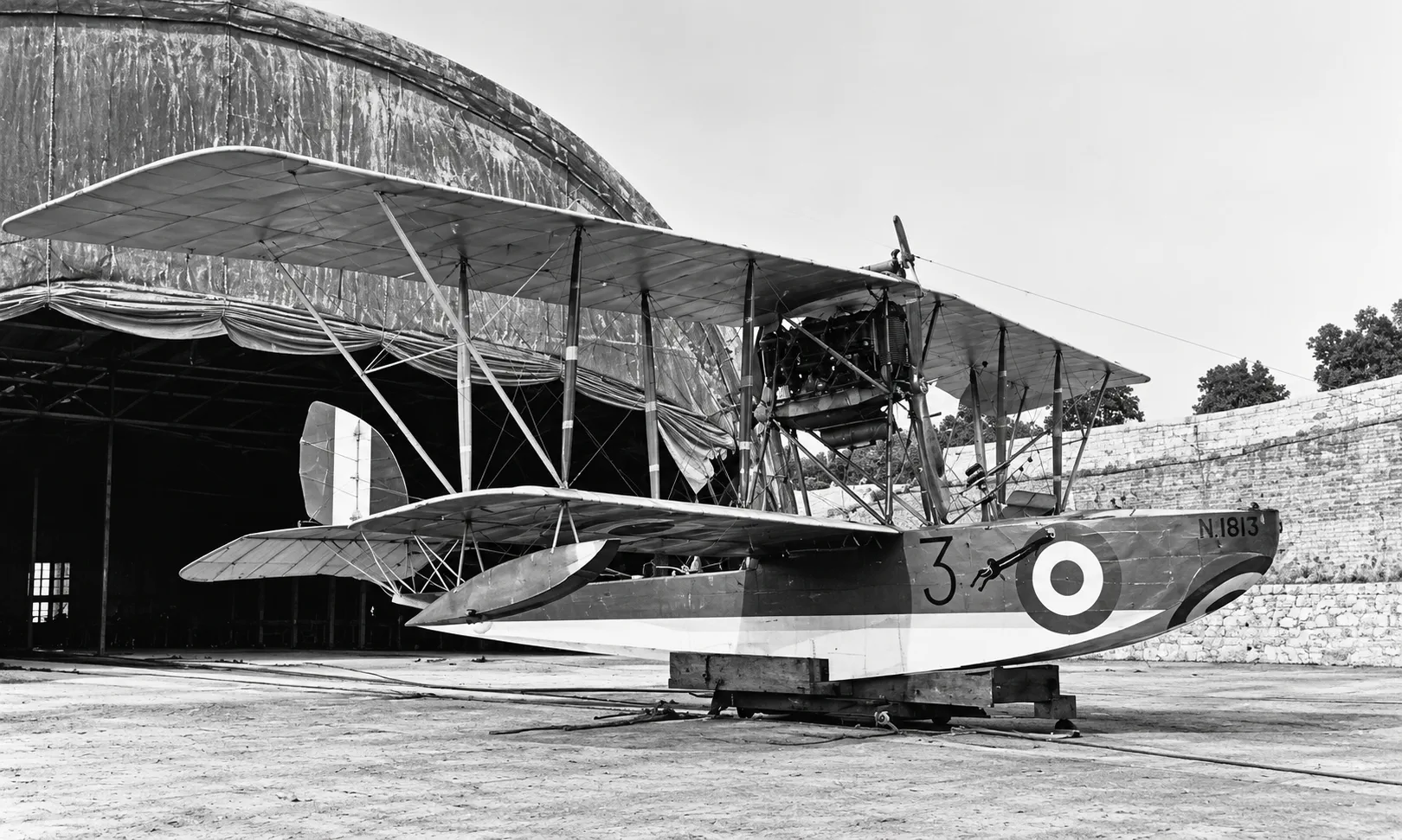
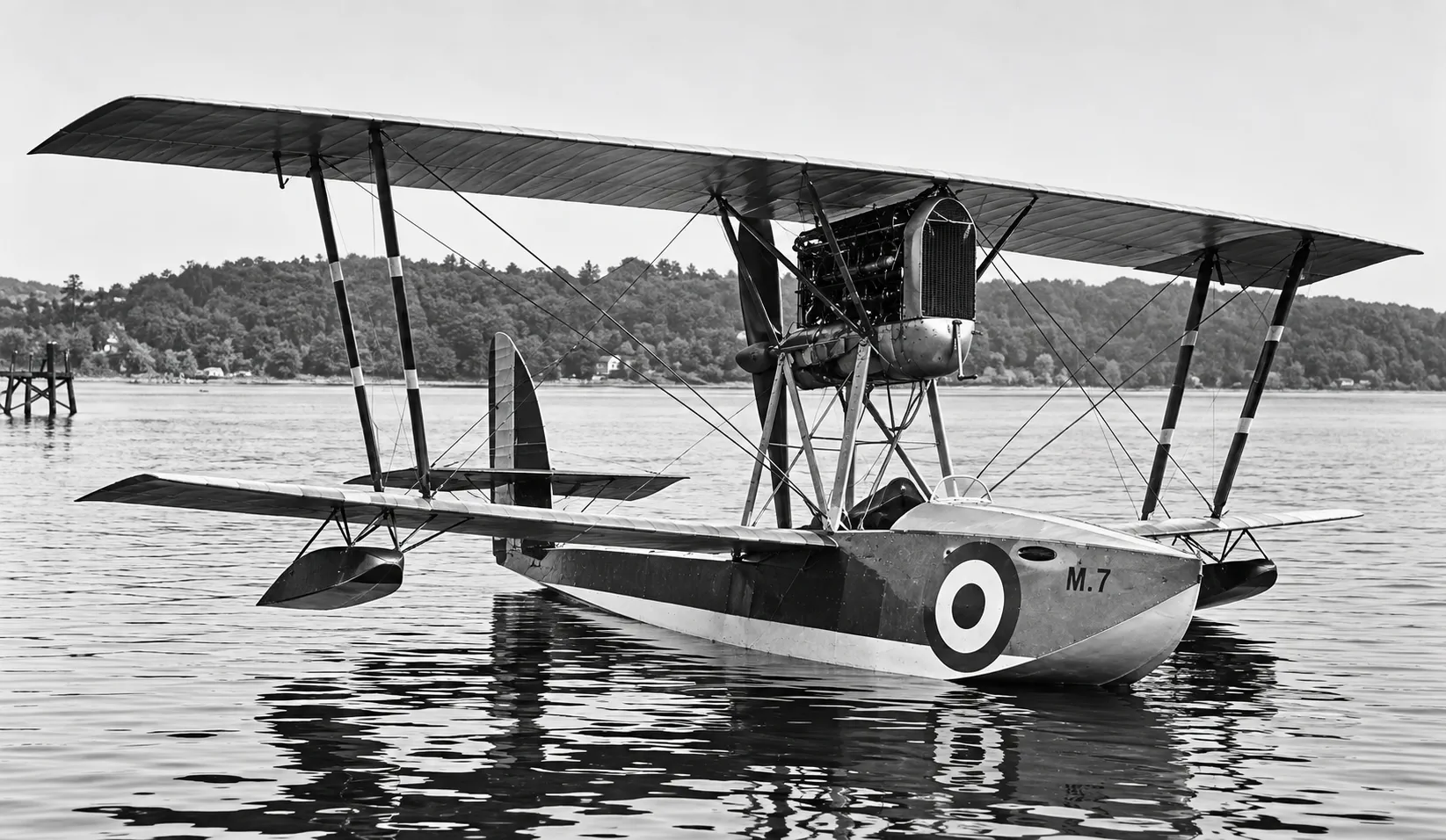
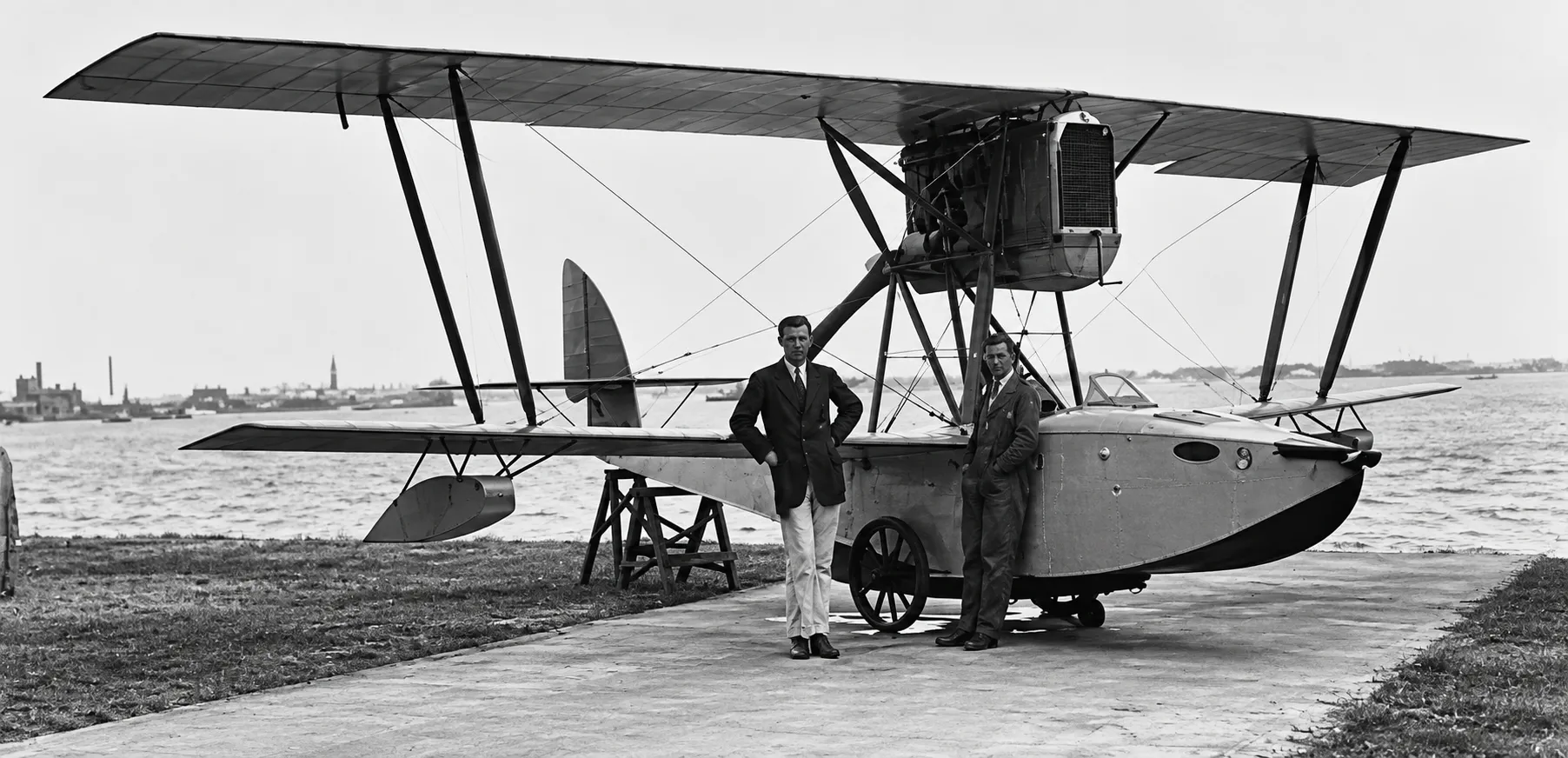
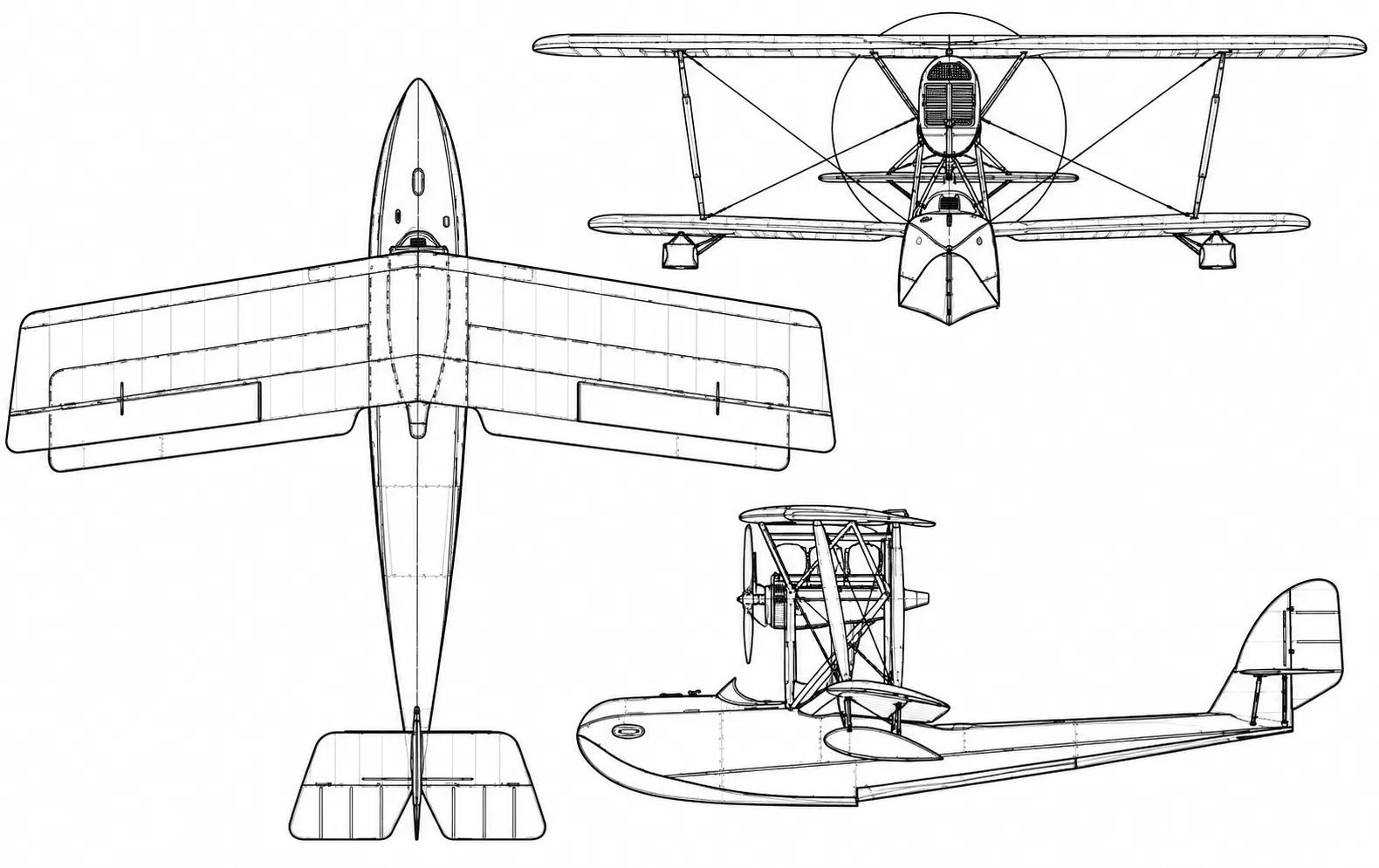
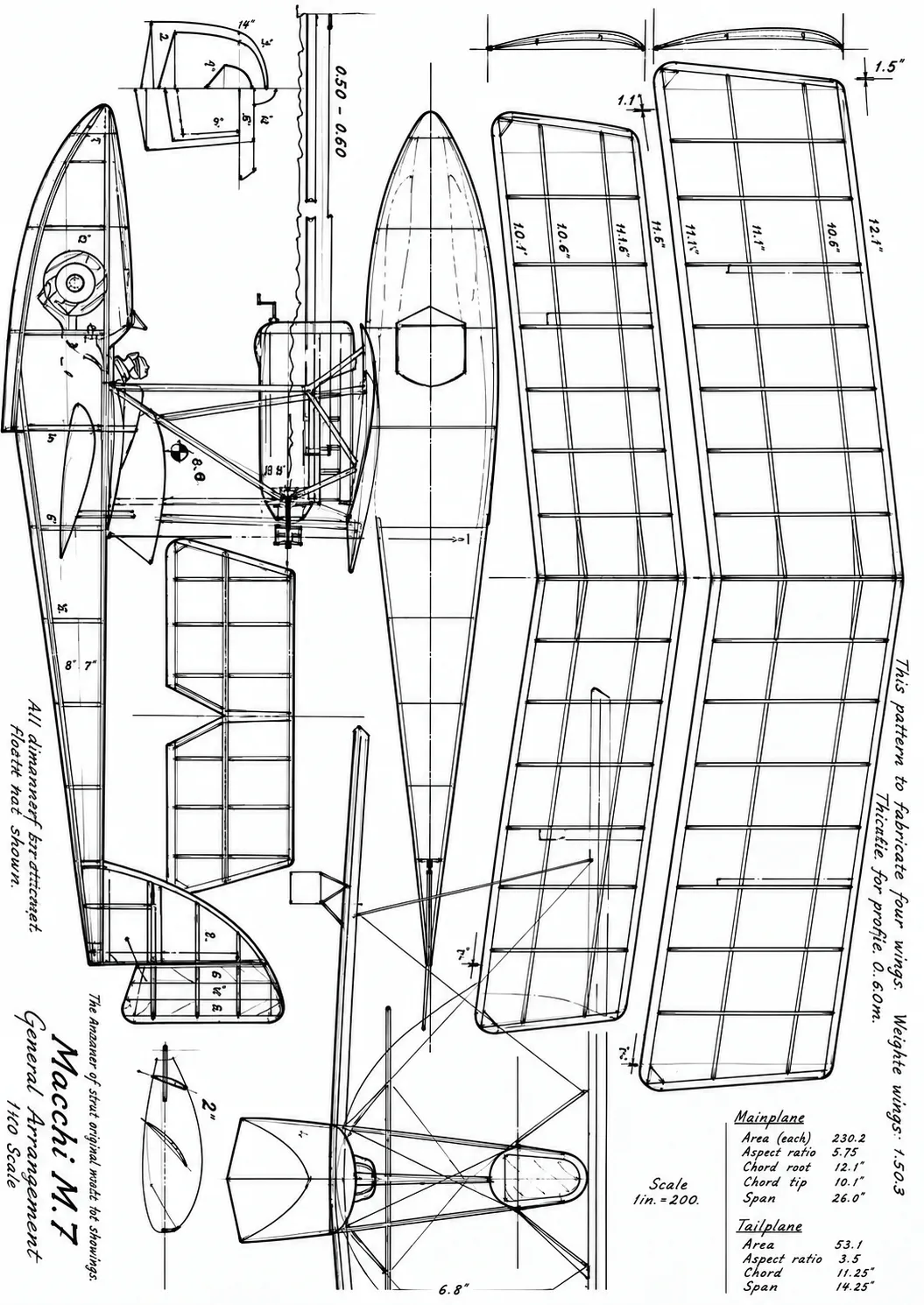
| 1 | Giovanni de Briganti (Italy) | Macchi M.7bis, no. 1 | 2:04:40; 117.859 mph (189.66 km/h) |
| Retired | Piero “Giosellino” Corgnolino (Italy) | Macchi M.7, no. 14 | Retired on the final lap (lap 16); reported fuel shortage |
| Retired | Arturo Zanetti (Italy) | Macchi M.19, no. 4 | Retired; lap reported as 12 (one source says 20) |
| Did not start | Sadi Lecointe (France) | Nieuport-Delage NiD.29 | Withdrawn after damage in pre-race trials |
The race became an Italian contest after Lecointe’s withdrawal. The large, high-powered Macchi M.19 was the fastest-looking entry, but Zanetti’s crankshaft failed and the engine caught fire. AirRace reports his retirement on lap 12, while HydroRetro’s results table gives lap 20; the exact retirement lap is therefore uncertain. He landed safely, although accounts differ on whether the aircraft was destroyed by fire or badly damaged. The two Macchi M.7s continued. Corgnolino was reportedly leading near the finish when his aircraft ran out of fuel, leaving Giovanni de Briganti to complete the course and win. Result listings agree on de Briganti as the winner, but accounts do not all agree on the precise lap of each retirement or the details of Corgnolino’s final minutes.
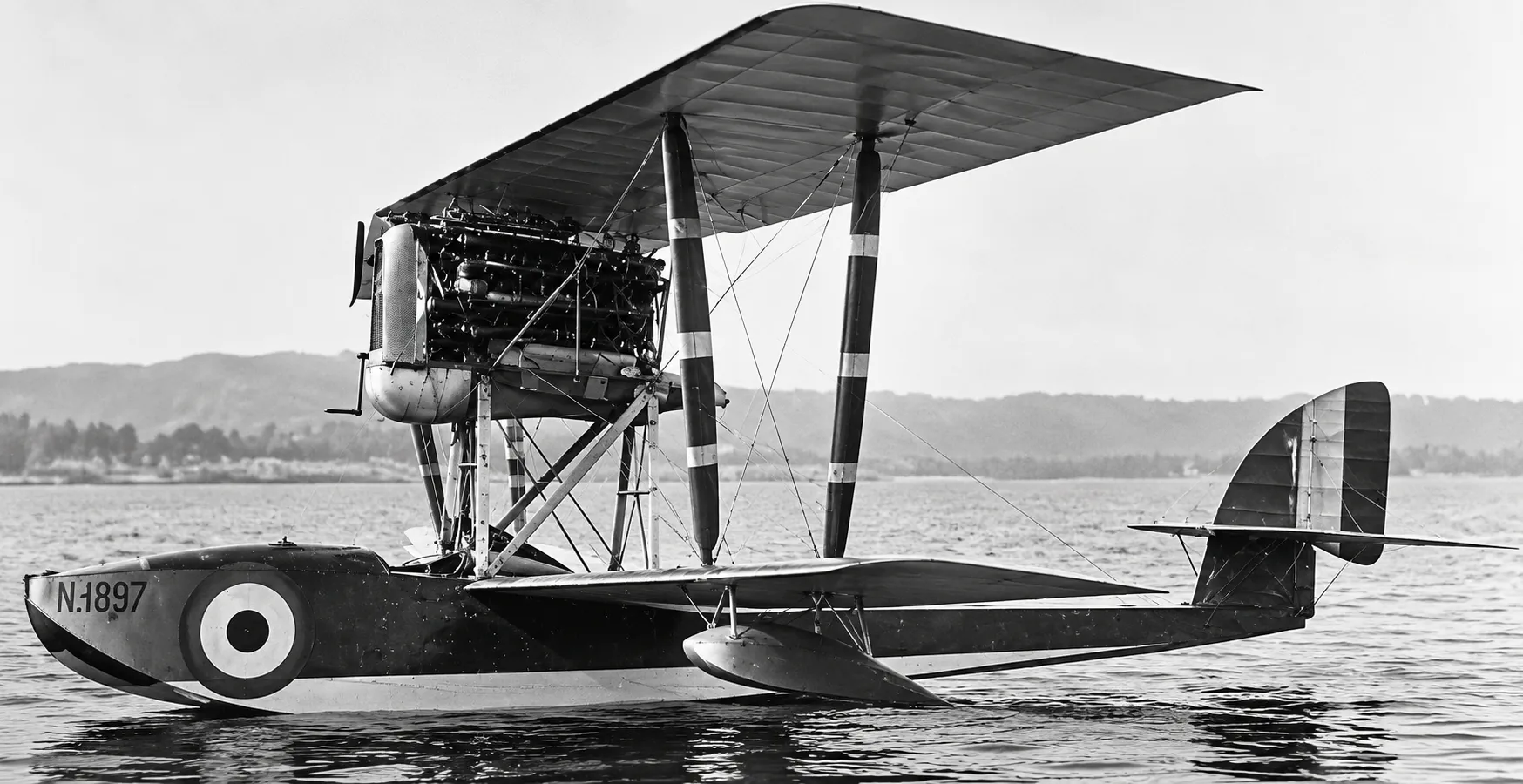
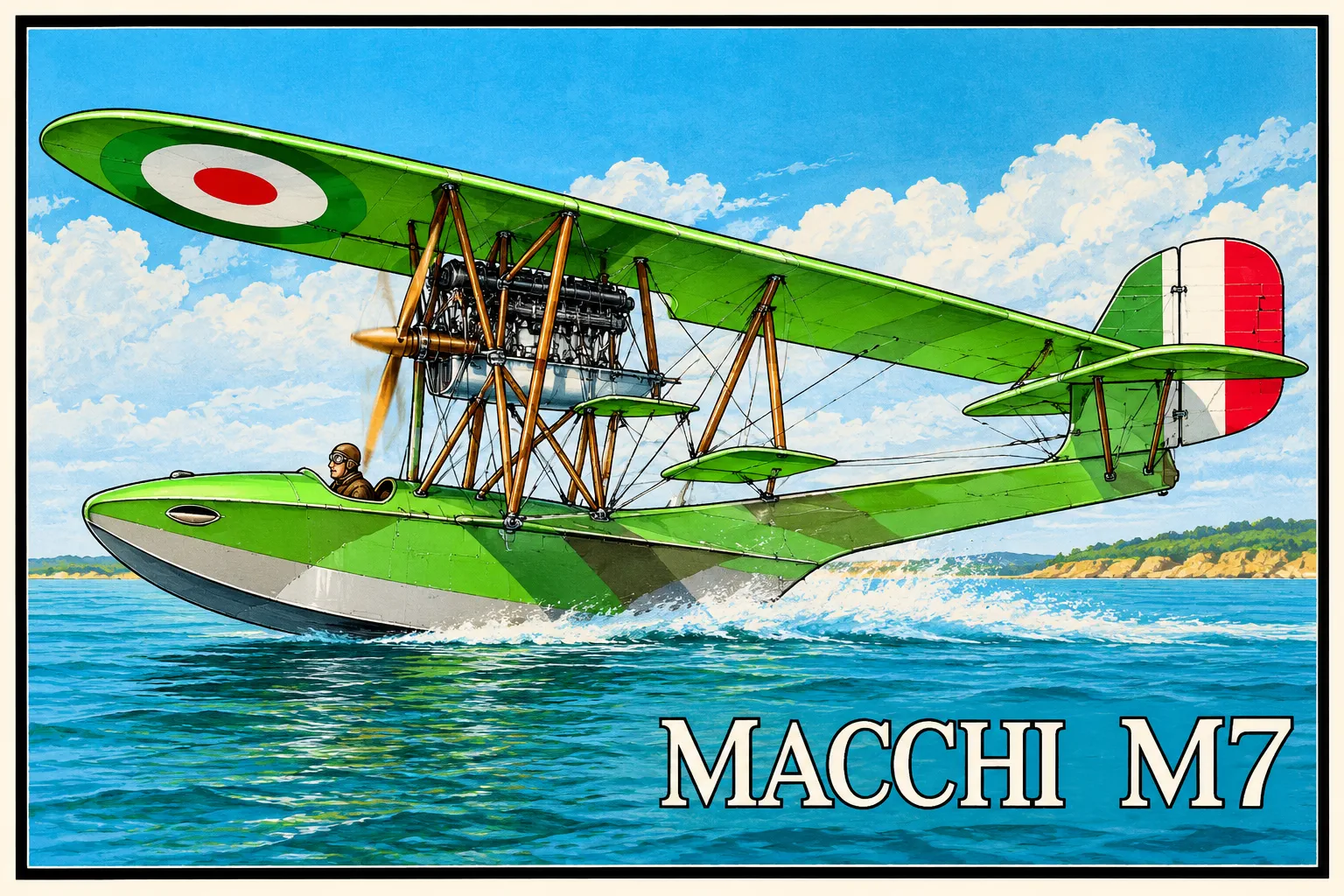
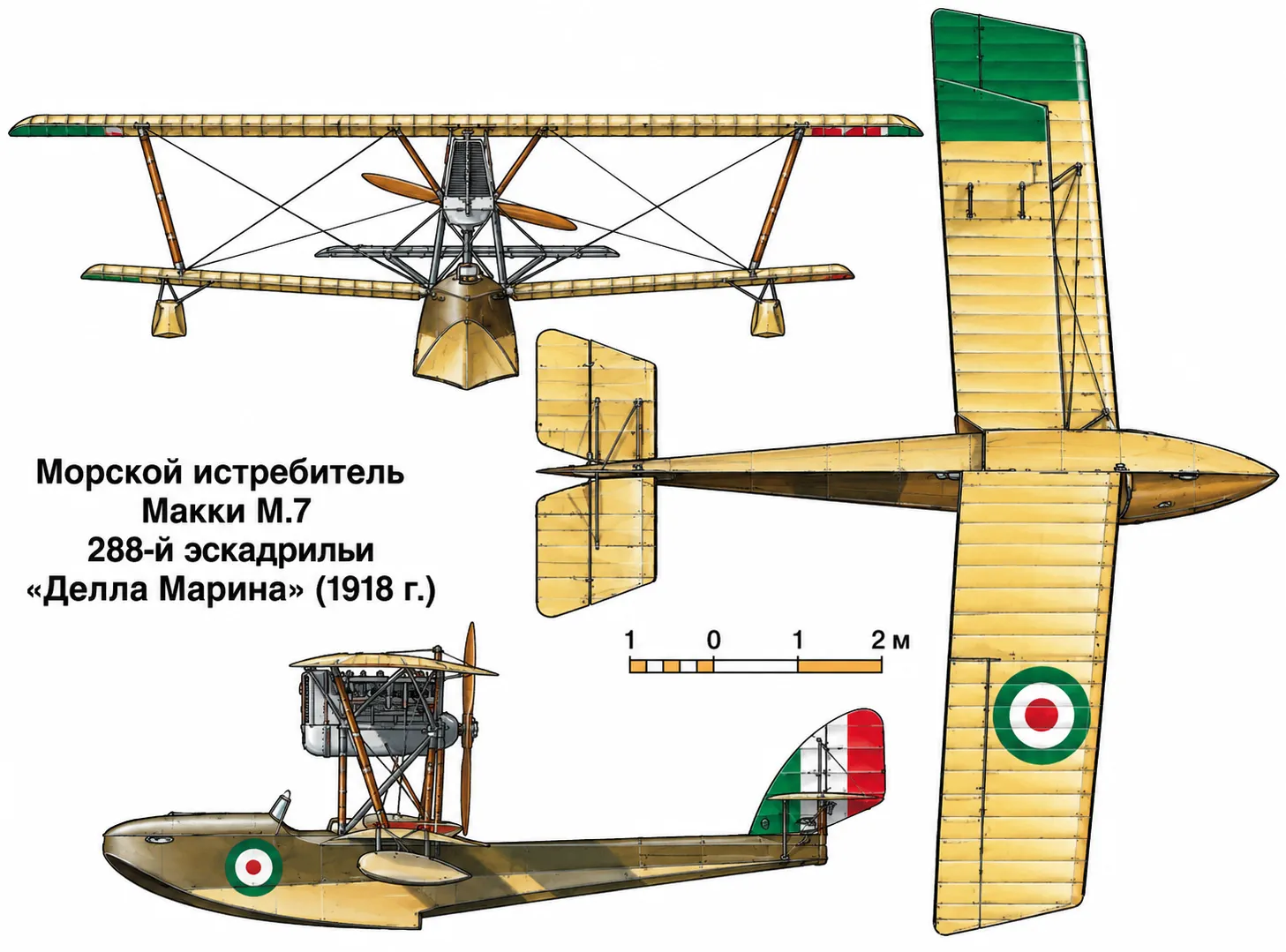
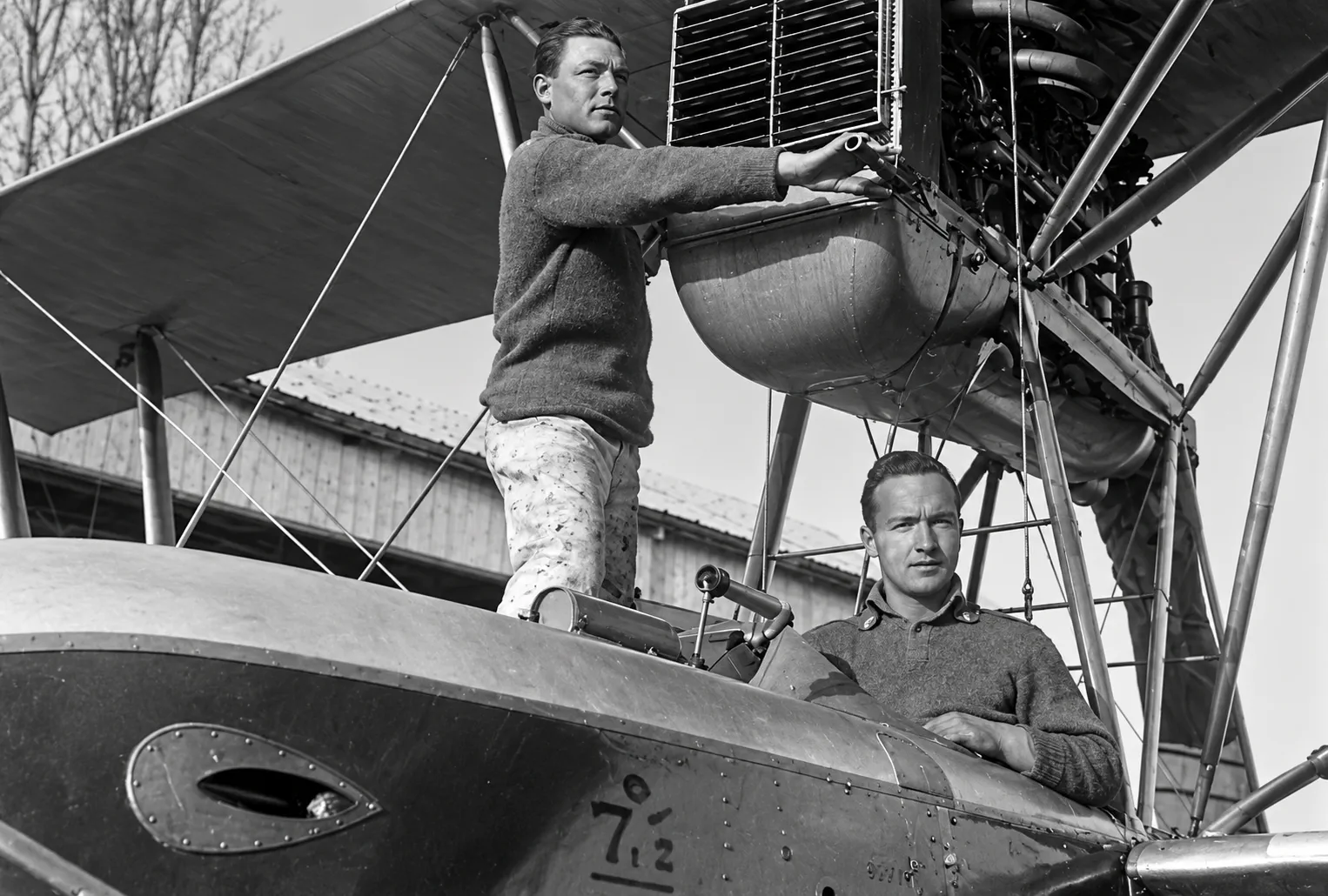
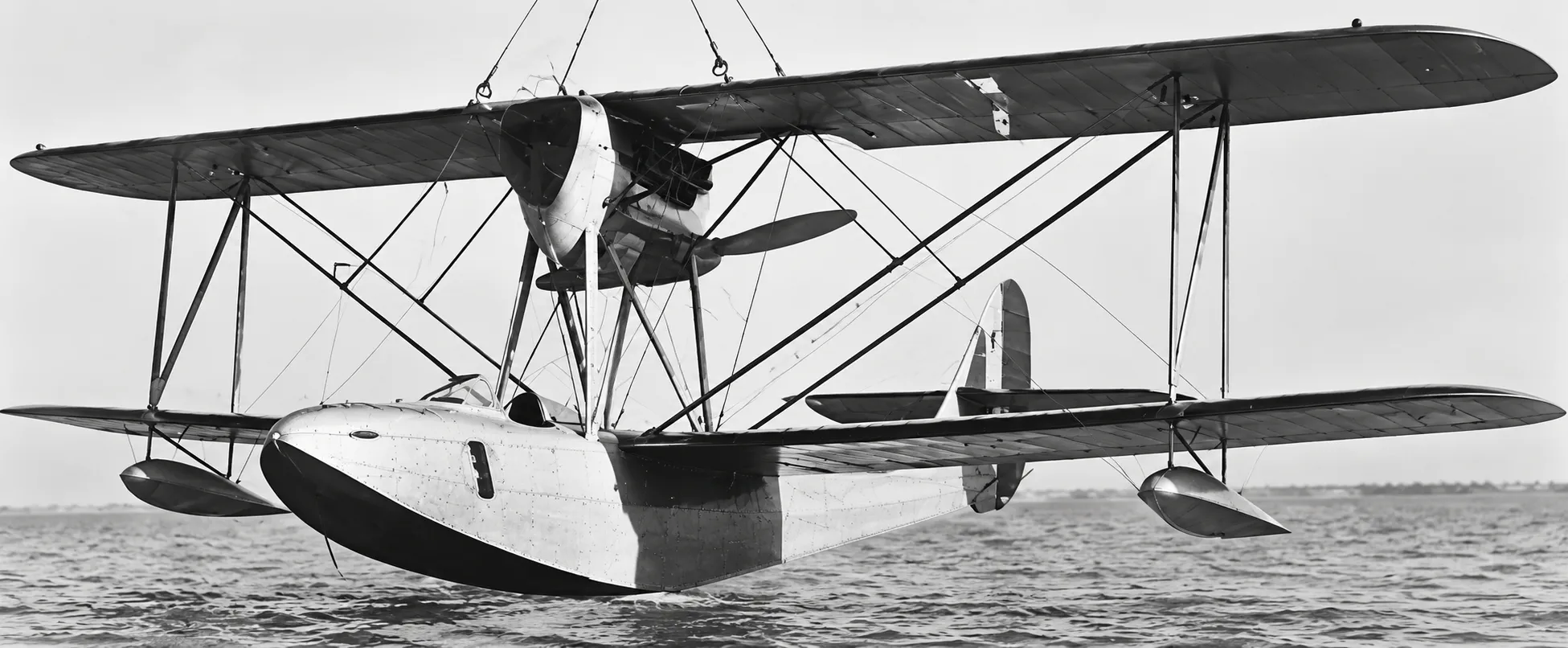
De Briganti’s recorded time was 2 hours, 4 minutes, 40 seconds. AirRace gives an average of 117.859 mph (about 189.7 km/h); other summaries round this to 189.5 or 190 km/h. He flew a Macchi M.7, often identified as the improved M.7bis; references differ on the exact subtype name. His speed was a substantial advance on Luigi Bologna’s 1920 winning average, but the field was unopposed internationally because Lecointe could not start. Italy’s victory was therefore decisive as a result, but not a head-to-head test against British or French aircraft.
The win was Italy’s second consecutive Schneider Trophy victory and brought the country close to retaining the trophy permanently. Britain’s Henry Biard would win at Naples in 1922, preventing that outcome. Sources: AirRace results, AirRace concise history, HydroRetro 1921 history, HistoryNet, Fondazione Leonardo, and Associazione Arma Aeronautica.