

We visited the Avro Reunion at the Lincolnshire Aviation Heritage Centre, attending purely as observers. Simply being present among some of Britain’s most historically important aircraft made the day deeply worthwhile.
The Avro Reunion is one of the rare occasions where multiple icons of British aviation heritage can be seen together: the Avro Anson, the de Havilland Mosquito, and the legendary Avro Lancaster. For anyone passionate about preserving aviation history, this gathering is a reminder of the engineering brilliance and sacrifice that shaped the nation’s wartime story.


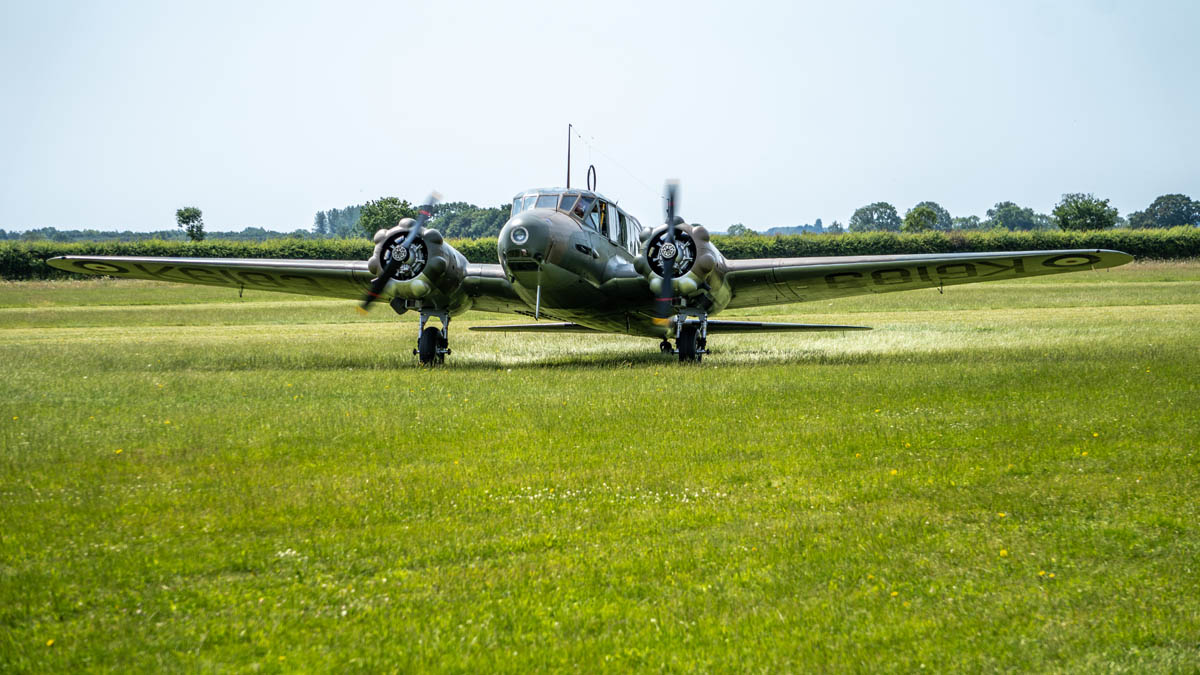
Avro Anson Mk I — The Trainer That Built the RAF
The centrepiece of the Reunion is the world’s only flying Avro Anson Mk I, MH120. Its historical importance cannot be overstated:
First flown in 1935
Trained thousands of RAF pilots, navigators, and gunners
Served with Coastal Command for reconnaissance and convoy escort
One of the most widely used multi‑role aircraft of WWII
Watching MH120 taxi at East Kirkby is a rare privilege — a living link to the crews who learned their trade in Ansons before moving on to frontline aircraft.
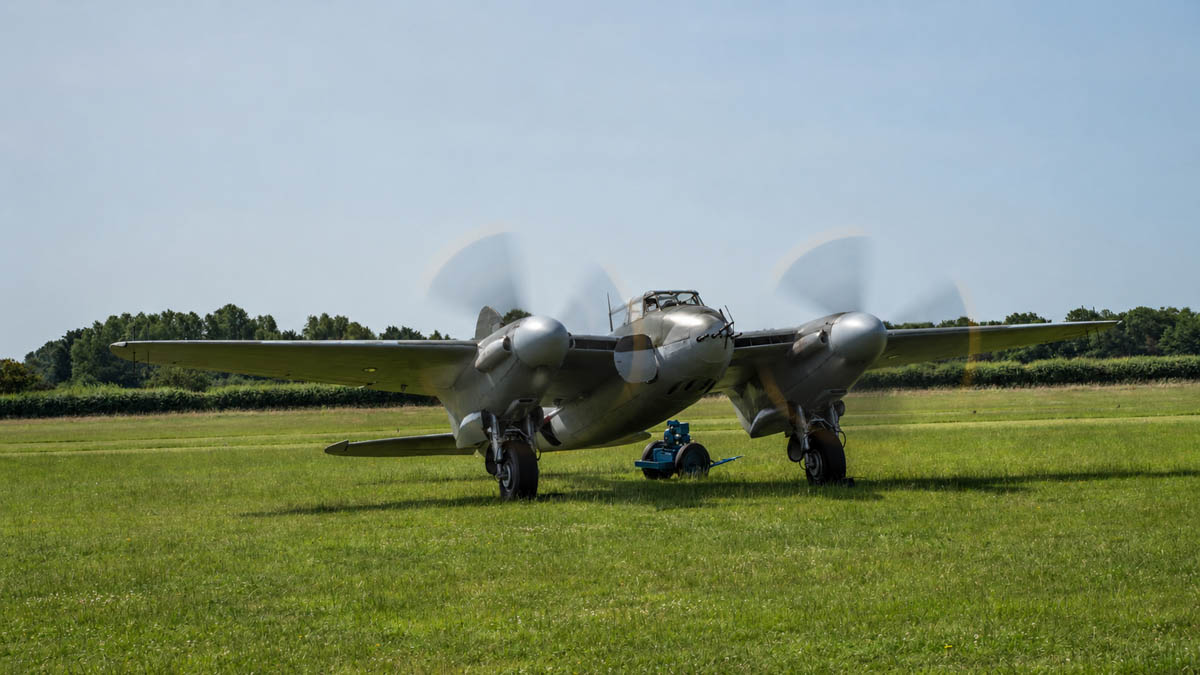
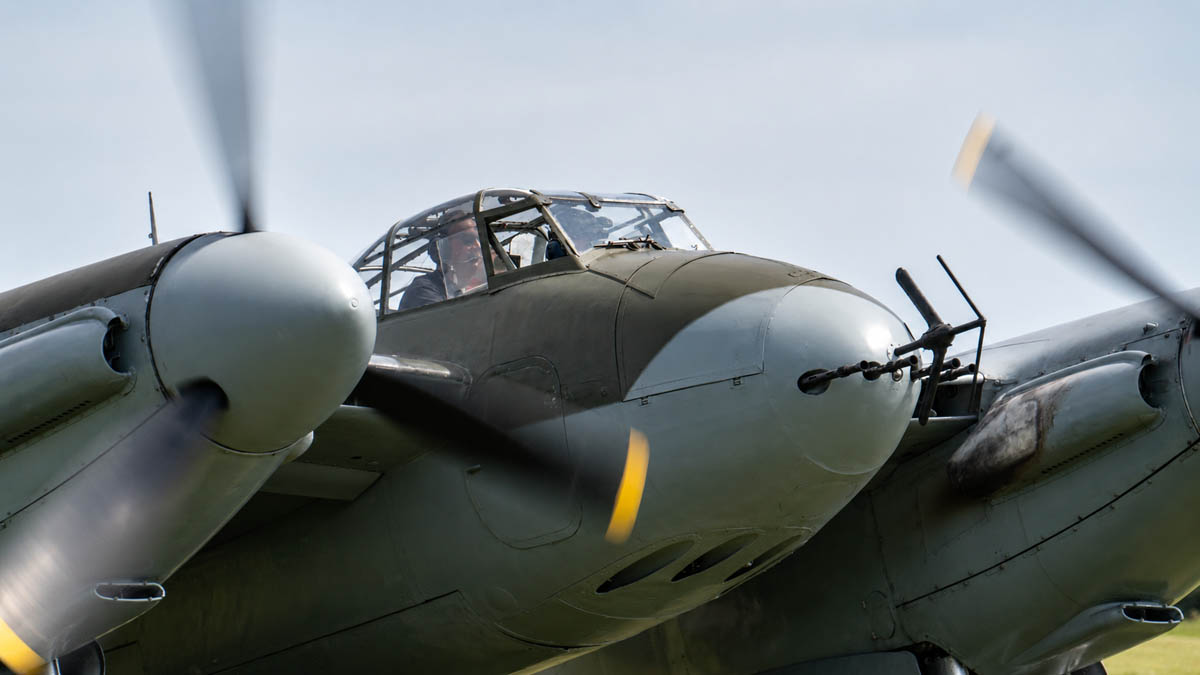

de Havilland Mosquito — The Wooden Wonder
Also present at the centre is the iconic de Havilland Mosquito, one of the most remarkable aircraft ever built.
Nicknamed the Wooden Wonder, the Mosquito was:
Constructed largely from wood
One of the fastest operational aircraft of WWII
Used for precision strikes, reconnaissance, pathfinding, and night‑fighting
Famous for missions such as the Amiens prison raid and low‑level attacks on Gestapo headquarters
Its presence at East Kirkby adds enormous historical weight. Few aircraft demonstrate British ingenuity as clearly as the Mosquito — a machine that outran fighters, carried bombs, and performed missions no other aircraft could.

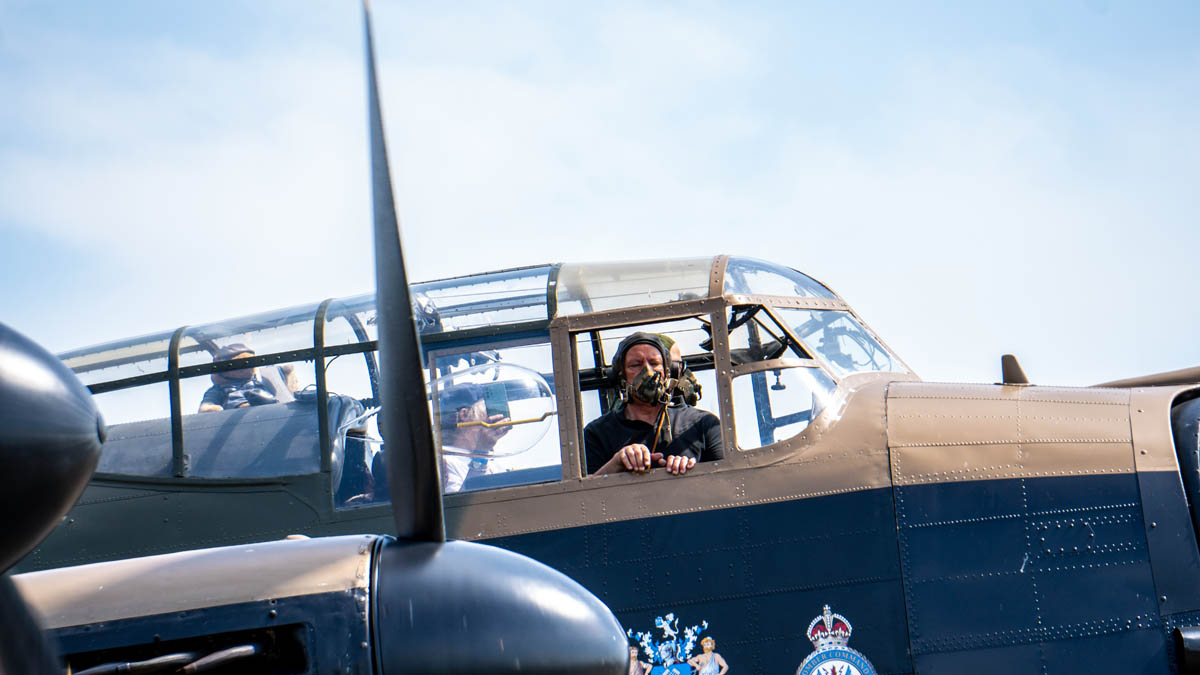
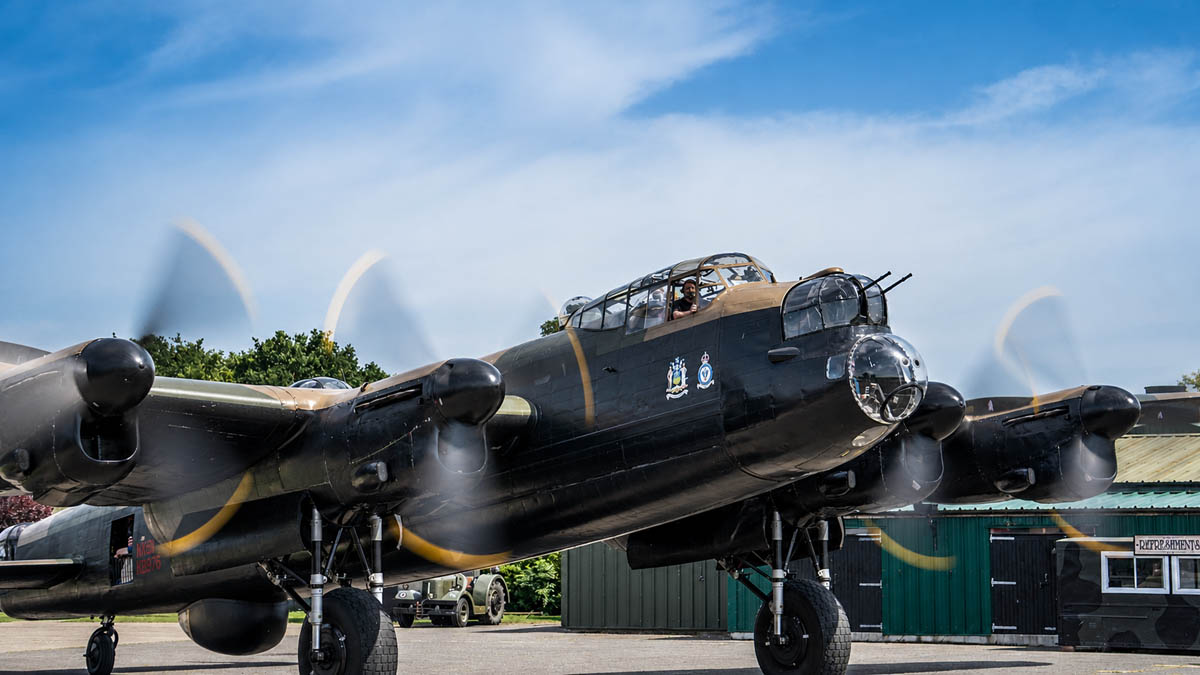
Avro Lancaster — The Sound of Britain’s Wartime Spirit
No visit to the Lincolnshire Aviation Heritage Centre is complete without the Avro Lancaster, one of the most iconic bombers of WWII.
The centre’s Lancaster, Just Jane, is a powerful reminder of:
The 7,377 Lancasters built
The crews of Bomber Command, of whom over 55,000 lost their lives
The aircraft’s role in missions such as the Dambusters raid
The engineering excellence of Avro’s wartime production
Even seeing the Lancaster at rest is moving — its size, presence, and history speak for themselves. When its engines run, the sound is unforgettable.
The aircraft present — Anson, Mosquito, Lancaster — represent the wartime era. The Supermarine S.5 represents the pre‑war era of innovation that made those wartime aircraft possible.
The Schneider Trophy racers pushed aerodynamic knowledge forward. The wartime aircraft applied that knowledge in service.
Seeing them together, even informally, reinforces the continuity of British aviation history.