SUPERMARINE SEAPLANE
Supermarine Seaplane is a charity of enthusiasts and experts who are
returning to our skies the predecessor of the war-winning Spitfire, so as to
celebrate this unique piece of heritage and educate and inspire young people
into engineering and design
Issued 20 July 2022 in conjunction with an event at Bodmin Airfield on 3rd August
For further information contact:
- Will Hosie, Chairman, 07585 663670. Will@supermarineseaplane.co.uk
2. Ian Wood, Marketing, 07768 715073 Ian@supermarineseaplane.co.uk
The charity building a replica of the Schneider Trophy winning
Supermarine S5 aims to attract helpers and donors by offering a
unique opportunity to experience first-hand what it’s like to be a
display pilot.
The construction programme is going well, albeit it hampered by a
global lack of specialist wood, and the finalisation of the wings is
within sight.
Now the charity wants to step up the pace and to do that it needs
expand the team adding people with skills and enthusiasm - not just
for construction - but the skills it takes to run an organisation:
accounting, events organising, communications, writers, social media
posters, admin, enthusiastic doers and so on. And of course, it
always needs money.
To encourage engagement, the charity is offering volunteers, donors
and sponsors the opportunity to fly with one of the country’s top
display pilots and experience their display routine from inside the
aircraft (stomachs permitting)! And then be allowed to take the
controls and try some of these spectacular manoeuvres themselves.
BACKGROUND
THE HISTORY AND THE EXPERTS
The first aircraft being built is the Supermarine S5, its wings are being constructed and
assembled at the home of Cornwall Flying Club at Bodmin airfield, Cornwall. They are due
for completion in the next few months. Then it’s on to the floats, fuselage and engine and it
would be great to partner with local schools or invite locals with skills to participate.
The construction is led by Rod Bellamy, Chief Engineer and Inspector. He has 40 years’
experience of both flying and building aircraft. Like his father, Rod started in the Royal Navy
(his father was seconded to fly in the Battle of Britain and after the war he was given a two
seat Spitfire by the ministry: G-AIDN), and in a diverse career has been Chief Engineer of
several companies, worked in the middle east and even operated an airport. He has built
and flown over 30 aircraft types and built several replica aircraft including Fokker Triplane,
Sopwith Camel & 1 1/2 Stutter, plus DH2 and was involved in several other projects
including repair of a Fairy Albacore.
Rod built several of the aeroplanes featured in the movie Those Magnificent Men in their
Flying Machines staring actor Terry Thomas.
Rod is supported by Bruce Keeping, the Chief Builder, also a Cornish man, famous
throughout the county (amongst those in the know) for building aircraft, race boats,
hydrofoils and windsurfers (on which creations he and his brother have won world and UK
contests). He specialises in timber composite materials. He was involved in glider flying from
the age of six and later microlites; he now owns three and a half aircraft.
Large components of the aircraft will be stored in Somerset, with the aircraft’s eventual test
flying taking place at the home of the Supermarine Company, Calshot, Hampshire, where
the original seaplanes and the early Spitfires were built, and where the final Schneider
Contest (see below) took place making Britain the outright winner.
The charity hopes the aircraft will eventually be hangared in the original Schneider hangar
built in 1914 for the development of seaplanes. The plan calls for the aircraft to be ready
and flying in displays all over the Southwest in time for the 100th anniversary of the S5’s win
(1927).
THE ROAD TO THE SPITFIRE AND BEYOND
The Supermarine Spitfire, so vital in winning WW2, didn’t suddenly appear out of the blue, it
was the result of a long development programme run by its designer RJ Mitchell and
culminating in the Supermarine S5 and S6 (A and B version) seaplanes. Designing these
aircraft is where Mitchell honed his ideas and developed the technologies that would prove
so vital later.
These S5 and S6 battled the French, Italians and Americans in the Schneider Trophy contests
1913-1931. Britain won three consecutive contests and thereby won the trophy outright,
and forever, setting a new World Air Speed Record (since beaten).
Now, almost 100 years later, we all have the opportunity to see Spitfires gracing our skies,
but not so the engineering marvels that made them possible. This vital part of our shared
heritage is missing and perhaps in danger of being forgotten. No longer. The charity will
build and fly both these aircraft: the S5 first, then the S6. The S5 will be the training aircraft
for the S6 and for SeaBlade, in which there will be an attempt to regain the World Airspeed
Record for seaplanes, held since the 1930s by Italy.
THE TRUSTEES AND BUILDERS
There are three trustees
Amongst the trustees and associates there are 6 pilots with a collective experience of:
- Over 100 years’ experience as pilots
- Over 60,000 flying hours
- Nearly 150 aircraft types flown including commercial, historic, gliders, helicopters
and sea planes
The builders (see above)
- Over 100 years’ experience building and rebuilding aircraft
- Over 50 aircraft types worked on
The charity has recently been joined by Mike Burrell and Gary Roberts…
Gary Roberts
After an engineering apprenticeship, his innate low boredom threshold led him from design
offices at Guided Weapons to Concorde to the Rolls Royce RB211 engine. He then set up his
own consultancy and patented and marketed a spray-painting environmental device which
won a government award presented by HRH The Prince of Wales.
He is now based in Salisbury where he discovered the hitherto untold story of the 2,500
Spitfires built here during WWII by largely female labour, he conducted the research which
led to www.secretspitfires.com
Mike Burrell
Mike Burrell is a PhD Researcher specialising in Counterinsurgency. He joins the team with a
diverse skillset ranging from coaching some the UK’s most successful Athletes to metal work
to Voice Over Artist for some of the largest companies in the world. It is the Voice Over Role
that brought him into contact with the Charity, working on the flagship video. Mike comes
from an Old St. Ives family, but currently resides in the Midlands.
HOW TO WIN THE AEROBATIC FLIGHT
Two of the team are qualified historic aircraft display pilots, having flown everything from
Gypsy Moths to Sea Harriers and historic aircraft such as the Supermarine Seafire, De
Havilland Venom, Douglas Sky Raider and North American Harvard.
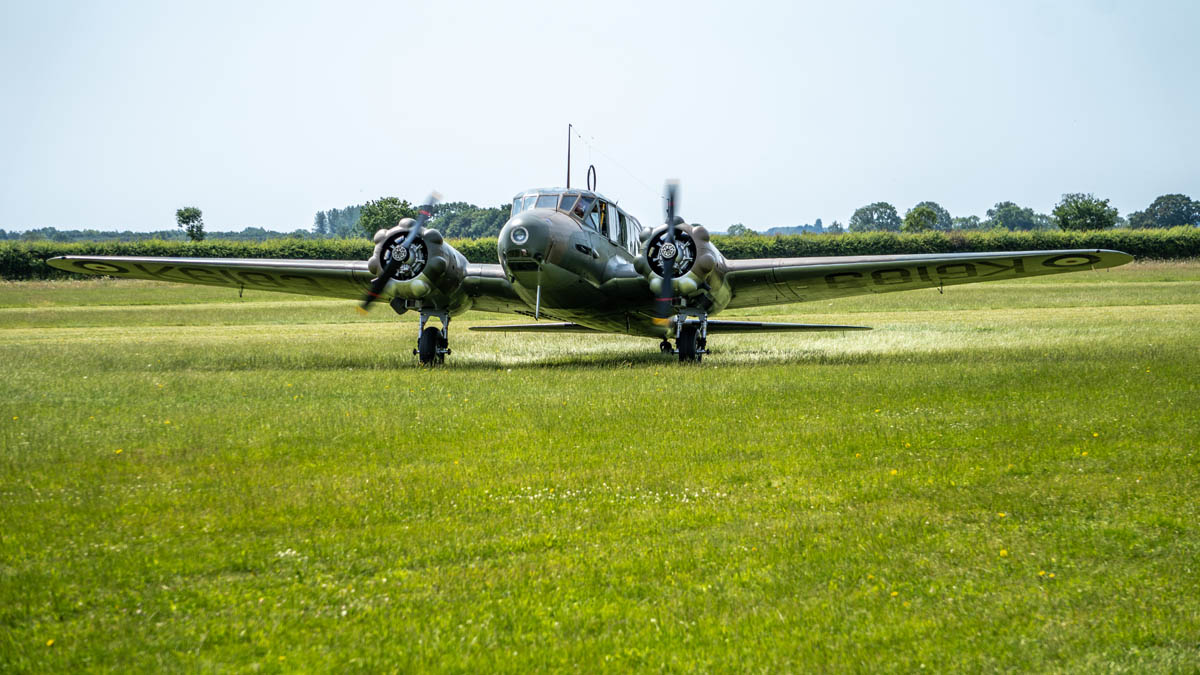
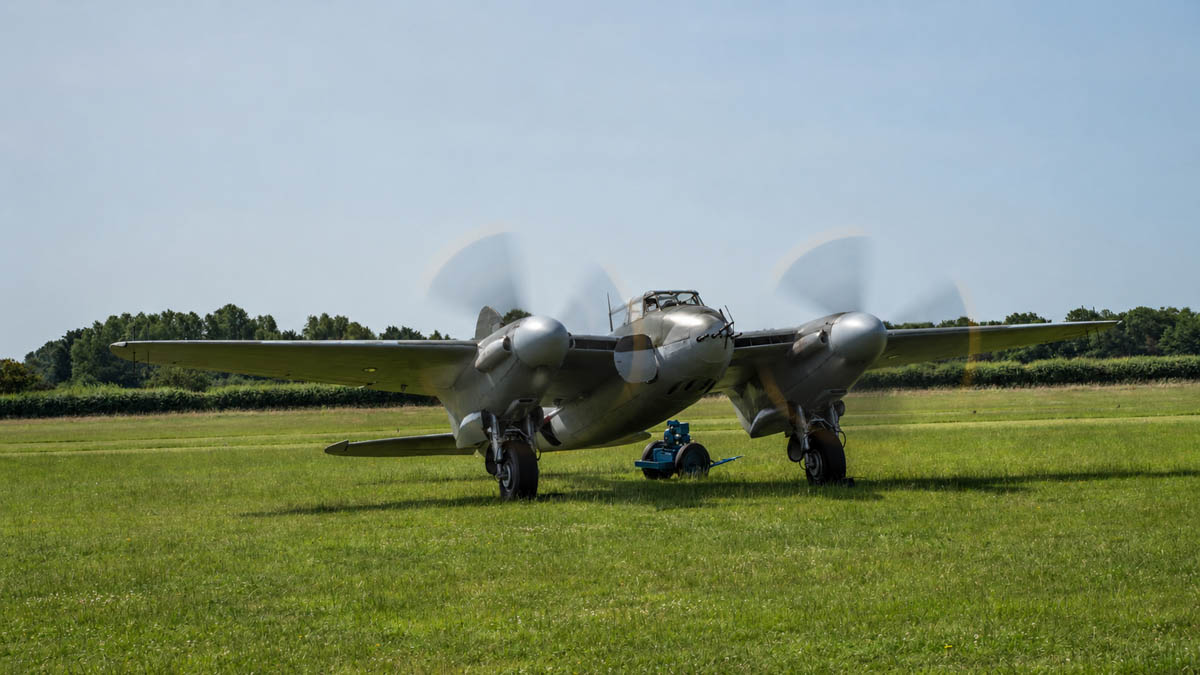
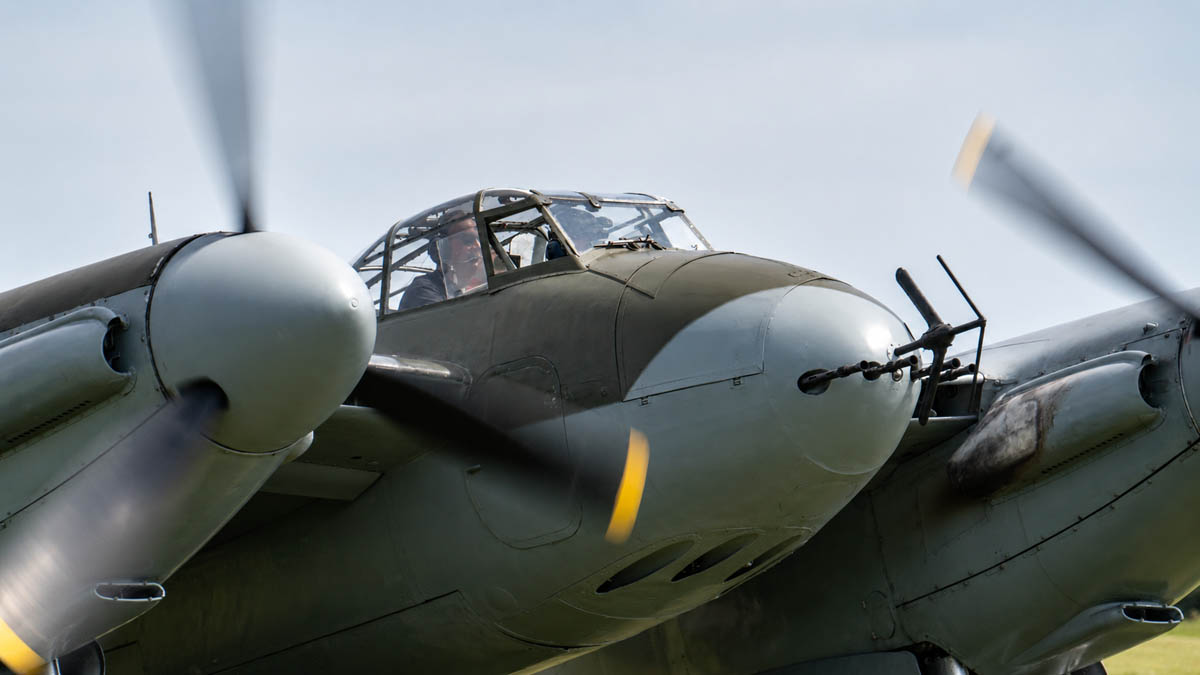
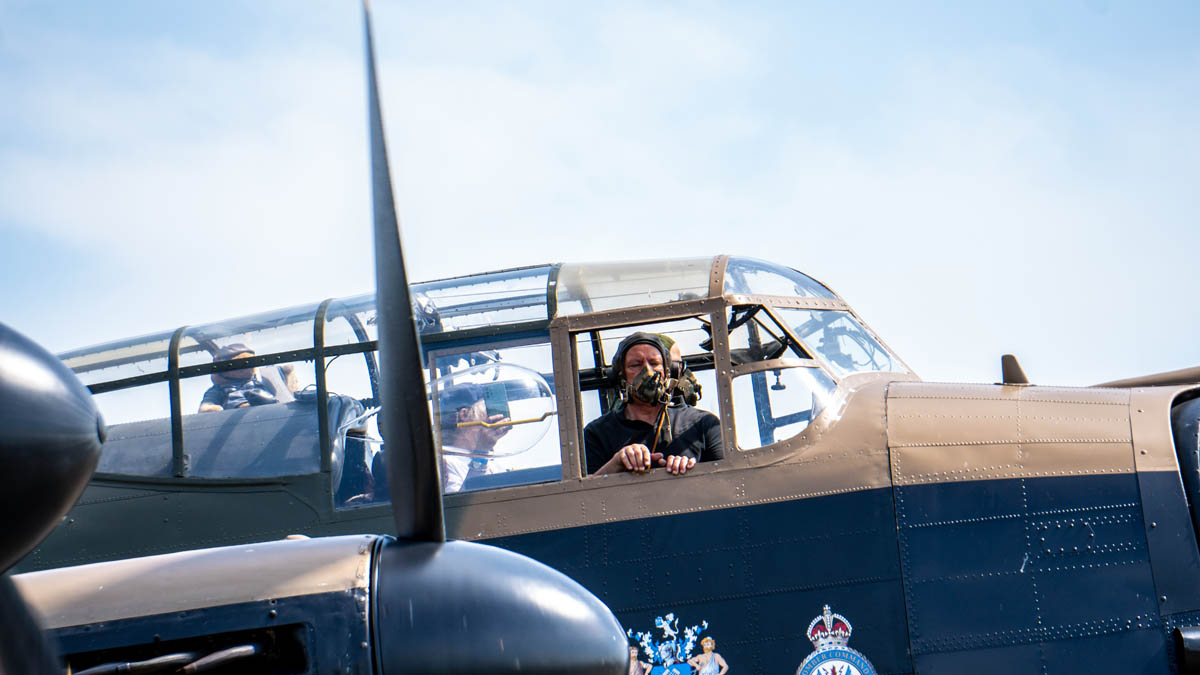
All donors and volunteers can enter a raffle to win a half day with one of these pilots where
they will get to hear their experiences, receive a talk on, and sit in, historic aircraft, take to
the air to experience their display and be allowed to fly the aircraft (what exactly happens in
the air is dependent upon the passenger’s skill level and the strength of their stomach). This
is a unique experience that - cliché though it is - money cannot buy. They will receive photos
and video of the adventure. The charity plans 4 flights per year and every £20 donated is
assigned one raffle ticket.
HOW INDIVIDUALS AND COMPANIES CAN HELP
The charity is now looking for 4 things
- Volunteers with new skills to join the team
- Companies to help with sponsorship, goods or skills
- Donors who can provide one off or monthly payments
- A local educational establishment to get involved so young people can learn about
engineering, design and history
DETAILS OF THE CHARITY
- Charity Supermarine Seaplane (Charity number 1190836) used to be called
Supermarine S5
- First formed August 2020
- Spend to date £62,000
For further information contact:
- Will Hosie, Chairman, 07585 663670. Will@supermarineseaplane.co.uk
- Ian Wood, Marketing, 07768 715073 Ian@supermarineseaplane.co.uk