Sidney N Webster

At a glance
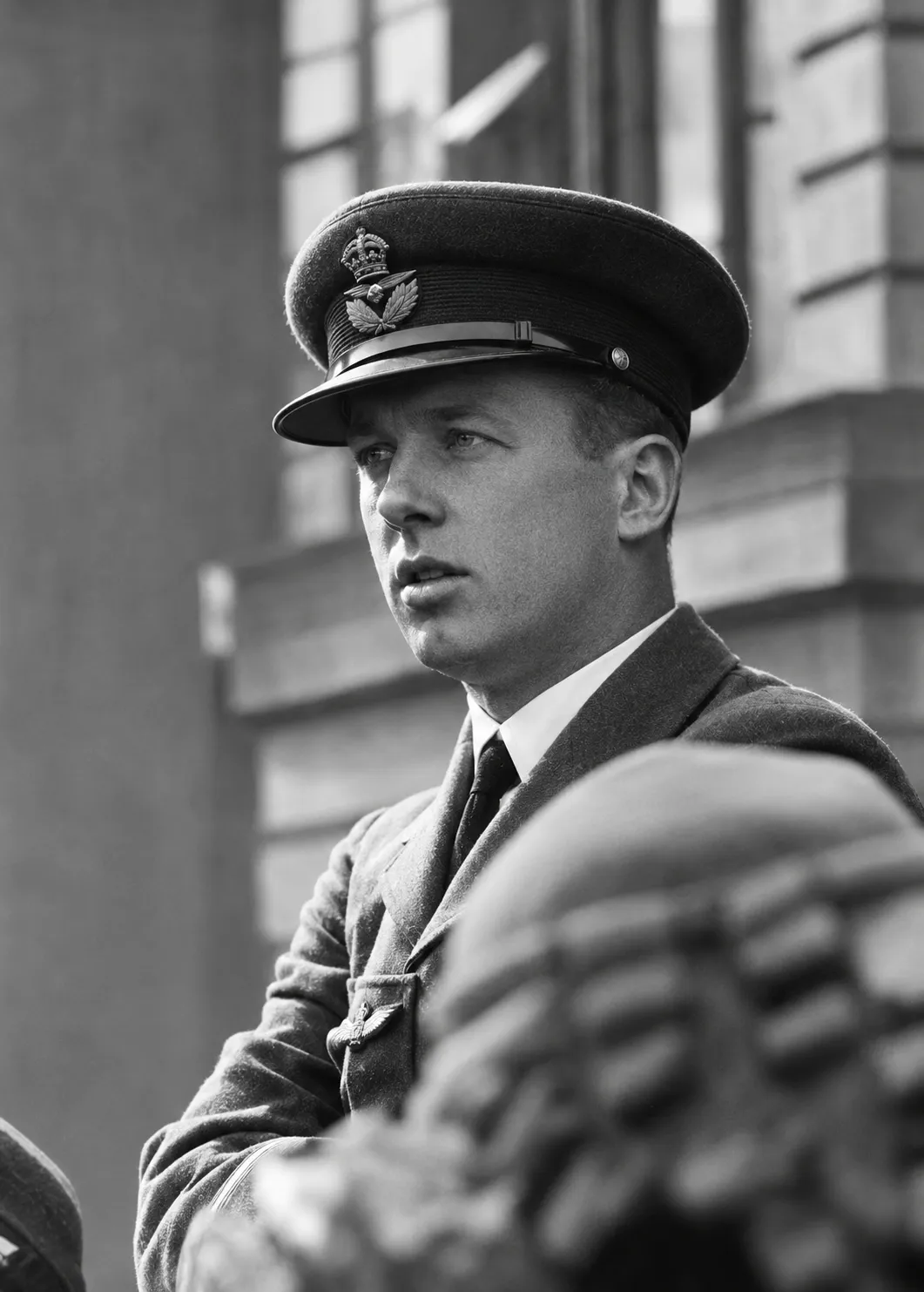
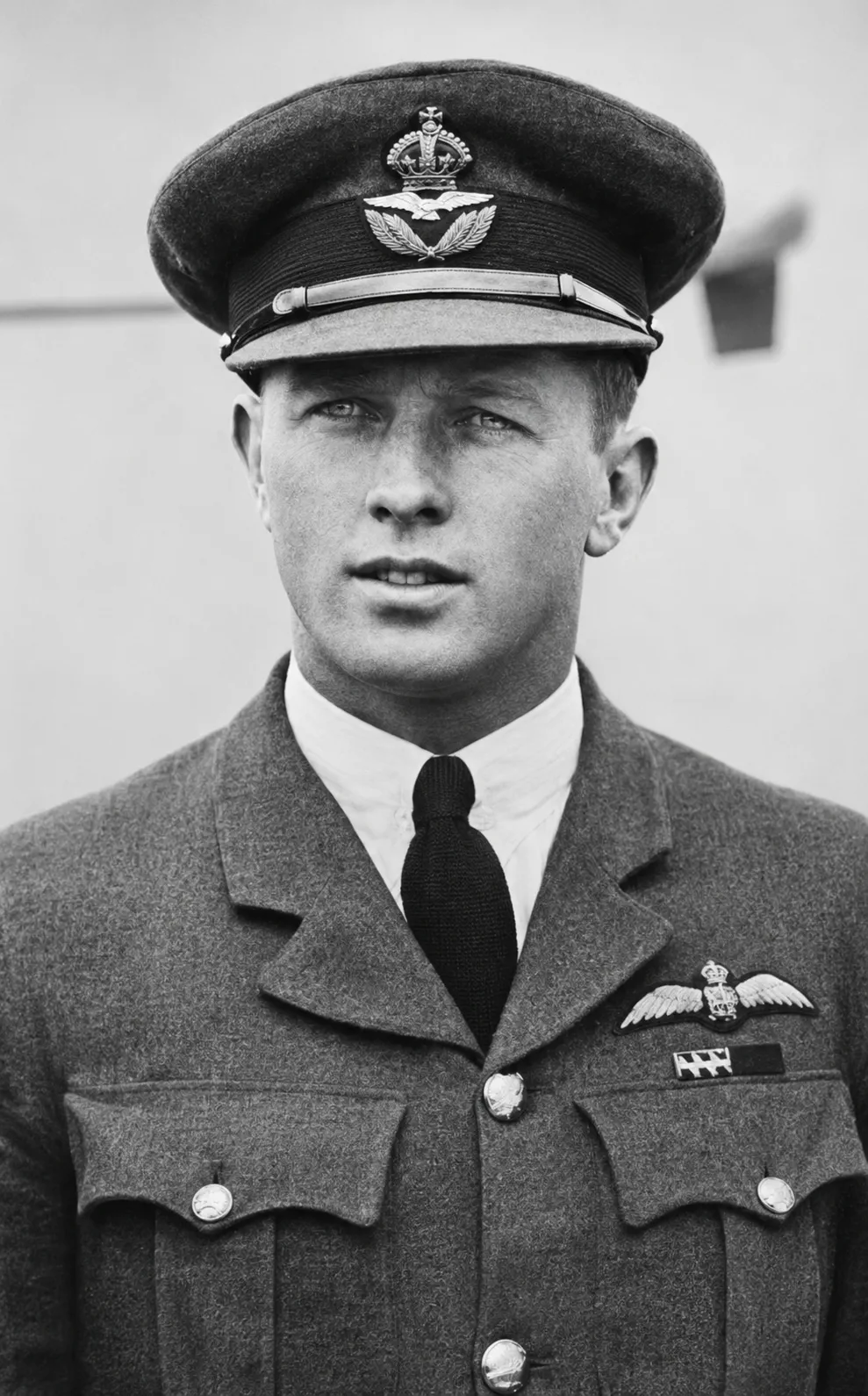
Pilot: Flight Lieutenant Sidney Norman Webster, Royal Air Force (RAF).
Race: Schneider Trophy, Venice, 1927.
Aircraft: Supermarine S.5 N220, powered by a geared Napier Lion VIIB engine.
Result: First place for Britain, at an average speed of 281.656 mph (about 453.3 km/h). Webster set a new 100-kilometre closed-circuit record during the race. His win returned the trophy to Britain and showed the performance of the new British high-speed seaplanes. RAF Museum, 1927 timeline; Schneider Cup race results.
Early life
Webster was born in Walsall, England, on 9 March 1900. He attended Chuckery and Butts schools and was active in local sport, including school football and cricket. A Walsall local-history account says he left school shortly before the First World War and first worked as a junior railway clerk, then in a solicitor’s office. It describes his upbringing in Walsall but offers little about his family or early interest in aviation. Walsall local-history account of Webster.
There is a minor discrepancy in published biographical summaries: some give Webster’s birth date as 19 March rather than 9 March. The RAF organization history and Walsall local-history account give 9 March; this article follows those sources. Air of Authority, RAF biography; Walsall local-history account.
Early flying career
Webster joined the Royal Air Force in 1918, during the service’s first year, and trained as a pilot. He was commissioned as a pilot officer in September 1918. After the war he served with flying squadrons, including in India, where he flew De Havilland DH.10 aircraft. The RAF organization history notes that he received the Air Force Cross in 1922; the award recognized his flying and instructional work. Air of Authority, RAF biography; Walsall local-history account.
On returning to Britain, Webster worked as a test pilot at the Marine Aircraft Experimental Establishment. In 1927 he was selected for the RAF High Speed Flight, the team formed to compete in the Schneider Trophy. His experience testing aircraft and flying in RAF service prepared him for the demands of the race, though the surviving sources do not document his individual training schedule in detail. Air of Authority, RAF biography; RAF Museum, 1927 timeline.
The race
The 1927 Schneider Trophy race took place at Venice’s Lido on 26 September, after rough sea conditions delayed the scheduled start on the 25th. The triangular course measured 50 kilometres per lap and was flown seven times, for a total of 350 kilometres. The repeated turns were a major part of the challenge: a pilot had to carry speed around the course while keeping the floatplane under control close to the water. Hydroretro’s 1927 race history; Schneider Cup race results.
Britain entered two Supermarine S.5s, flown by Webster and Oswald Worsley, and a Gloster IVB flown by Samuel Kinkead. Italy entered Macchi M.52 racers. A Short Crusader was damaged before the race, and the American entry did not compete. The contest therefore became a British-Italian race. Crowds gathered at the Lido to watch; later accounts estimate around 200,000 to 250,000 spectators, though those figures should be treated as estimates rather than an official count. Hydroretro’s 1927 race history; HistoryNet, “Aviation History: Schneider Trophy Race”.
The S.5 was a single-seat, low-wing monoplane on two floats, designed by Reginald Mitchell. Webster’s N220 used a geared Napier Lion VIIB engine, listed at about 875 horsepower. A geared propeller let the engine turn at high speed while the propeller turned more slowly, helping it operate efficiently. The aircraft’s clean lines and carefully designed floats reduced drag, but it still had to handle water takeoffs, landings and turns. The RAF Museum records the winning aircraft and result; a 1928 U.S. government technical circular describes the S.5’s Napier engine, floats and design. RAF Museum; NACA technical circular on the Supermarine S.5.
The race’s progress turned on reliability. Italian pilots Mario de Bernardi and Arturo Ferrarin retired with engine trouble early in the contest. Guazzetti continued longer but also failed to finish. Kinkead retired in the Gloster IVB before completing the course. Webster and Worsley finished first and second in their S.5s. Sources differ on the precise lap at which Kinkead retired: the results list says he was out on lap six, while a U.S. Air Service retrospective says he completed five laps before withdrawing. Schneider Cup race results; 1929 U.S. Air Service retrospective.
Performance and tactics
Webster completed the course in 46 minutes, 20.3 seconds, averaging 281.656 mph (453.3 km/h). Worsley finished in 47 minutes, 46.7 seconds, at about 272.9 mph (439 km/h). Those averages include all seven laps and their turns; they are not the aircrafts’ maximum straight-line speeds. Webster’s winning average was a race record and represented a substantial increase over the 1926 winning average of about 246.5 mph. Schneider Cup race results; RAF Museum, 1927 timeline.
Webster also set a Fédération Aéronautique Internationale (FAI) record over 100 kilometres during the race. The RAF Museum rounds the record speed to 283 mph; later race summaries give a more precise figure of about 283.7 mph. This was a measured-distance record, distinct from the 281.656 mph average for the full course. RAF Museum; This Day in Aviation, race record and award details.
A post-race Air Ministry technical report compared the pilots’ turning methods. It described the British approach as banking steadily without climbing or descending, while Italian pilots tended to climb through turns and regain speed in a dive on the straight. The report judged the British method more effective in this contest. It also cautioned that observers’ lap timings varied, with errors possible on individual laps; the full-course average was more reliable. This supports a technical comparison of approaches, but does not establish Webster’s private reasoning or prove that he personally chose every detail of the method. Air Ministry, Collected Reports on British High Speed Aircraft for the 1927 Schneider Trophy Contest.
After the win
Webster received a Bar to his Air Force Cross in October 1927. The official citation explicitly recognized his achievement in winning the Schneider Cup race. He returned to Walsall in October to a civic reception, where local accounts describe a large public welcome. His victory brought public recognition, but he continued his RAF career rather than becoming a full-time civilian racer. The London Gazette, award of the Bar to the AFC; Walsall local-history account.
Webster went on to hold RAF command and staff appointments. He was seconded to the Egyptian government during the 1930s, served in senior roles during the Second World War, and later commanded RAF Hong Kong and the Central Photographic Establishment. He was appointed a Commander of the Order of the British Empire in 1946, promoted to air vice-marshal in 1949, and retired in 1950. He died on 5 April 1984. Air of Authority, RAF biography; This Day in Aviation.
Notable facts and legacy
Webster’s 1927 victory was the first of three consecutive British wins that culminated in Britain’s permanent possession of the Schneider Trophy in 1931. The S.5 helped set the direction for later Supermarine racers by showing the value of clean aerodynamic design, effective cooling and careful handling of high-powered engines. Its designer, Reginald Mitchell, later designed the Spitfire, although the S.5 was a racing seaplane and should not be treated as a direct prototype of that fighter. Hydroretro’s race history; NASA history of aircraft design and aerodynamics.
Webster’s win is remembered as both a personal achievement and a milestone in the RAF’s high-speed flight programme. It showed how international racing could test engines, cooling systems, propellers and aircraft handling at the edge of contemporary performance. The surviving official result is clear; some contemporary newspaper dispatches printed preliminary averages that differ from the later official timing, so 281.656 mph is used here as the detailed race-results figure. Schneider Cup race results; Contemporary newspaper report reprinted in the Levin Daily Chronicle.
Sources
- AirRace, Schneider Cup race results — result, elapsed time, average speed, aircraft and withdrawals.
- Royal Air Force Museum, 1927 timeline — race date, winner and rounded 100-kilometre record speed.
- Air of Authority, “Air Vice Marshal S N Webster” — RAF appointments, awards and career chronology; a compiled RAF-history resource.
- The London Gazette, 11 October 1927 — official citation for Webster’s Bar to the Air Force Cross.
- Hydroretro, 1927 Schneider Trophy history — race location, postponement, entrants and outcome.
- U.S. Air Service, 1929 retrospective on the Schneider Trophy — competitors, retirements and contemporary speed comparisons.
- Air Ministry, Collected Reports on British High Speed Aircraft for the 1927 Schneider Trophy Contest (1931) — course geometry, timing uncertainty and technical comparison of turning methods.
- NACA technical circular, Supermarine S.5 Seaplane (British): Winner of the 1927 Schneider Cup Race — aircraft design and technical description.
- Walsall local-history account of Sidney Norman Webster — local schooling, early jobs and civic welcome.
- Contemporary race report reprinted in the Levin Daily Chronicle, 28 September 1927 — weather, race outcome and preliminary speed reports.