Maurice Prévost
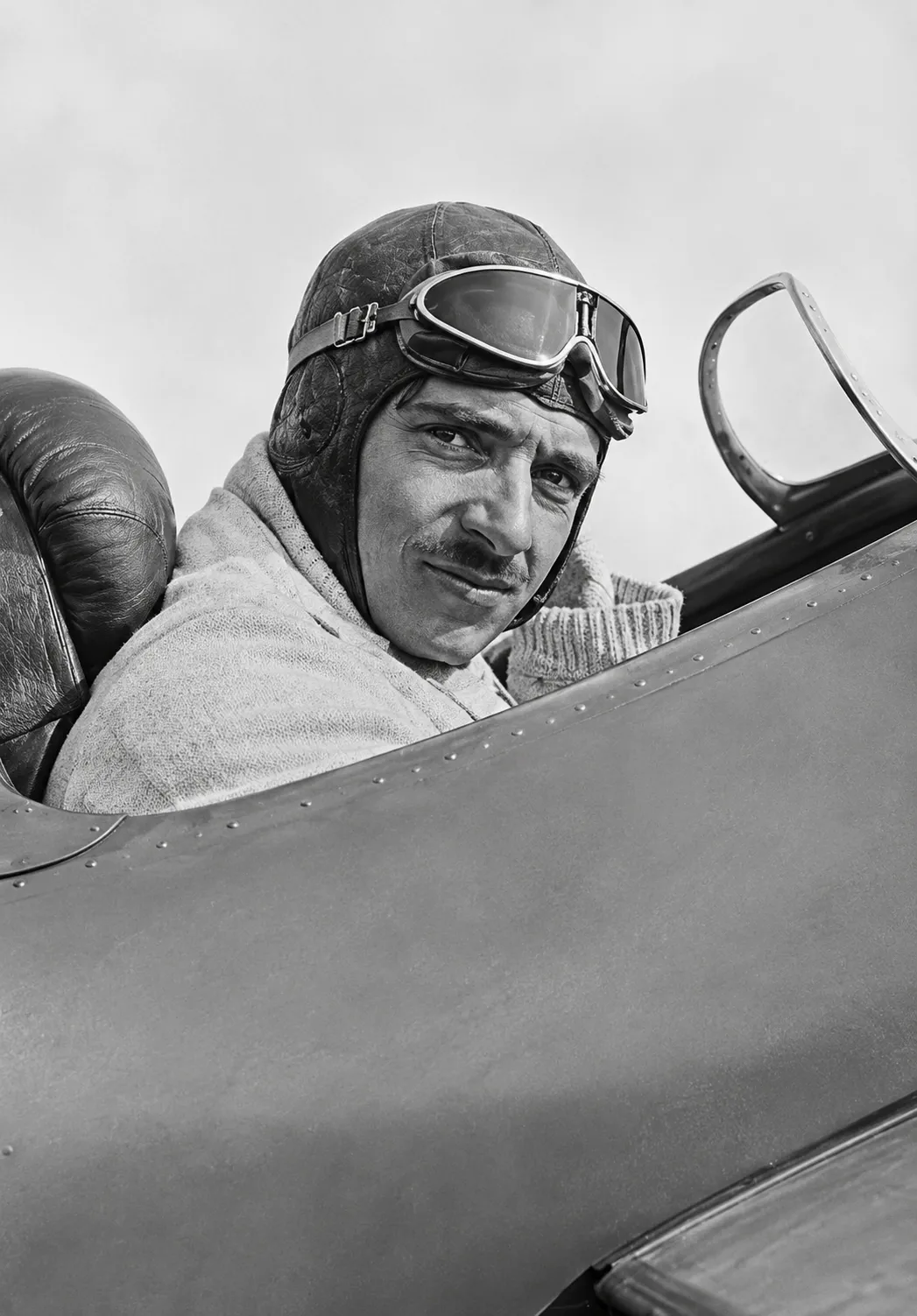

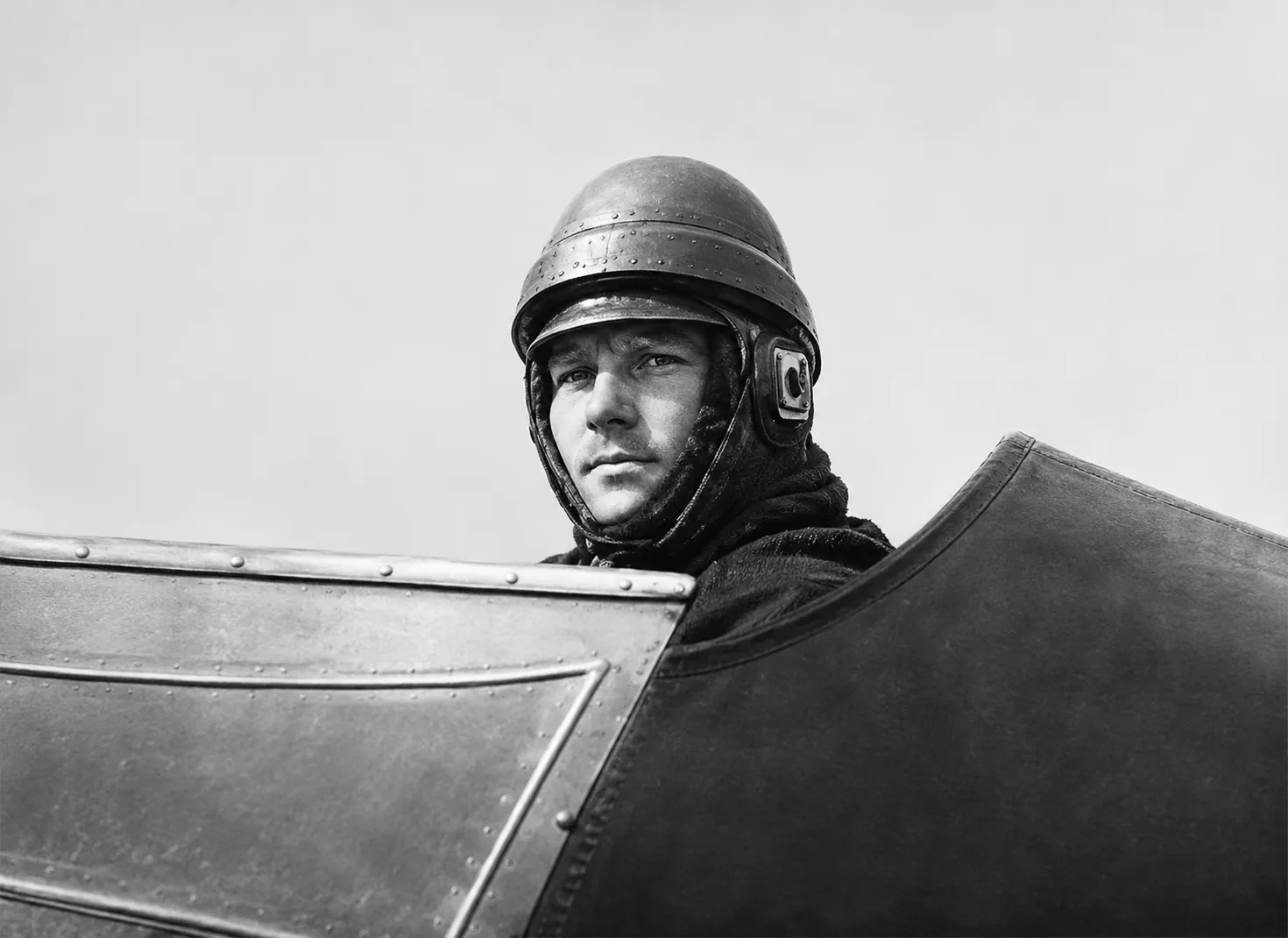
At a glance
Pilot: Maurice Prévost, French aviator
Race: First Schneider Trophy seaplane race
Date and place: April 16, 1913, Monaco
Aircraft: Deperdussin floatplane, race number 19, powered by a 160-horsepower Gnome rotary engine
Result: First place. Commonly cited summaries give an official average of about 45.7 mph, though accounts disagree about the recorded distance, elapsed time, and average speed.
Why it mattered: Prévost won the first edition of a contest intended to encourage seaplane development. It began a series that became one of aviation’s most prominent international competitions.
About the figures: Published accounts do not agree on the race’s exact lap count, distance, elapsed time, or average speed. The results table maintained by air-racing historians lists 28 laps of a 10-kilometre course, a time of 3 hours, 48 minutes, 22 seconds, and 45.75 mph. A detailed French history describes 27 laps over 270 kilometres and an initial flight of about 2 hours, 50 minutes, followed by a restart after Prévost’s first finish was not accepted. I give the commonly listed result below but flag the discrepancy rather than treating every figure as settled.
Early life
Lucien Maurice Prévost was born in Reims, France, on September 22, 1887. He studied at Reims’s Practical School of Commerce and Industry. Sources available online provide little dependable detail about his family or childhood, so the account here focuses on his documented education and aviation work. The Air Journal biography and a French aviation history document summarize his early career.
Early flying career
Prévost entered the Deperdussin flying school at Bétheny, near Reims, in November 1910. He earned his civil pilot’s certificate on April 29, 1911, and his military pilot’s certificate later that year. He became an instructor and test pilot for Deperdussin, gaining experience with the company’s monoplanes before taking on international competitions. The Air Journal account reports his licences and training; Image’Est’s archival photograph record documents him flying a Deperdussin at Reims in 1911.
Before the Schneider race, Prévost had already competed in distance and altitude events. In 1911 he placed third in a French military aircraft competition and won its altitude section. In December of that year, he set a height record with a passenger, according to biographical summaries. These early contests made him an experienced pilot for the new challenge of racing seaplanes.
The race
Jacques Schneider established the trophy to encourage progress in aircraft that could operate from water. The first contest was held at Monaco. Competitors had to navigate on the water before taking off, then complete a long course over the sea. In the rules as summarized by the French historical account, the race distance was at least 150 nautical miles, around 270 to 280 kilometres depending on the course and how it is reported.
The event drew entries from several manufacturers, but only a small number of aircraft were ready to compete. The starters included Prévost in a Deperdussin, Charles Weymann and Gabriel Espanet in Nieuports, and Roland Garros in a Morane-Saulnier. Other machines had withdrawn or failed to qualify. The aircraft were mostly landplane designs adapted with floats, an important limitation in a contest meant to advance aircraft designed for maritime use. The French historical account of the first Schneider contest details the entries, selection events, and course rules.
Prévost’s Deperdussin was a streamlined monoplane adapted with floats and fitted with a 160-horsepower Gnome rotary engine. It was fast for its day, but the floats added drag and weight compared with the landplane racers. The race also tested the practical problems of taking off from water, navigating around offshore marks, and keeping an engine running for a lengthy flight over the sea.
Prévost got away quickly and established an early lead. The French account says Weymann gradually made up ground in the air. A key complication came at the finish: the rules required a flying finish, but Prévost landed on the water short of the line and returned to port. He then had to resume and complete the finish correctly. The air-racing history also notes that he initially finished on the water and had to take off again for a flying finish. This procedural error appears to explain why the published elapsed time and average speed can look unexpectedly low for an aircraft capable of much higher speeds in flight.
Weymann’s Nieuport was closing on Prévost, but it developed engine trouble near the end. The French historical account says it lost a cylinder; other summaries describe the competing Nieuports retiring with oil leaks. The surviving accounts differ on the exact mechanical problem and the sequence of the final moments. What is clear is that Prévost completed the required course and was declared the winner, while the other principal challengers did not finish under the rules. See the Schneider results list and the French race history.
Performance and tactics
The commonly cited race result is 45.75 mph over 28 laps of a 10-kilometre course, completed in 3 hours, 48 minutes, and 22 seconds. Other accounts describe 27 laps or 270 kilometres and give a much higher speed for Prévost’s initial flying stint. These may reflect different treatment of the navigation leg, the interrupted finish, or the number of laps; the published sources available here do not fully reconcile the records. For that reason, the 45.75 mph figure should be read as the recorded event average, not as the Deperdussin’s in-flight speed.
The tactical story is less about a documented special maneuver than about getting the aircraft through a demanding new format. Prévost’s early speed gave him an advantage, but he had to correct the finish procedure and complete the course again. Weymann’s aircraft had enough pace to challenge him, but its mechanical failure ended that challenge. There is not enough reliable evidence to assign Prévost a specific tactical choice beyond the documented early lead and his completion of the course after the finish issue.
The race account from the Concise History of Air Racing describes Prévost’s recorded time as 2 hours, 50 minutes, and 47 seconds, while the results list gives 3 hours, 48 minutes, and 22 seconds. Since these sources disagree, the exact official elapsed time is uncertain from the available material. Both agree on his victory and an average in the mid-40-mph range for the official result.
After the win
The Schneider Trophy was not Prévost’s only major 1913 success. In September he won the Gordon Bennett aviation race at Reims in a Deperdussin, averaging roughly 125 mph over the course. The Canada Aviation Museum notes that the aircraft exceeded 200 kilometres per hour during that event, a major speed milestone for the period. See the Canada Aviation Museum photo essay.
Prévost continued in aviation after the early racing years. A biographical entry reproduced by Early Aviators says he worked in France’s aviation industry, including as a manager in the aviation department of the French Esso organization, until retiring in 1948. The same source records his death in Neuilly-sur-Seine in 1952. The accessible sources provide fewer details about his later career than about his 1913 achievements.
Notable facts and legacy
- Prévost won the first Schneider Trophy race, making France the first nation to hold the trophy.
- He also won the 1913 Gordon Bennett aviation race at Reims, giving him two major international race victories in the same year.
- The first Schneider contest was part of a broader effort to make seaplanes more capable and reliable. The International Civil Aviation Organization’s Schneider Trophy history describes the competition’s role in encouraging aircraft development.
- Later summaries disagree about the first race’s recorded time, lap count, and average speed. The most consistent common result is a win at about 45.7 mph, but the exact circumstances of the interrupted finish should be kept in view when quoting that figure.
Sources
- Schneider Cup Races: results list, including 1913 course and recorded result
- French historical account: first Schneider race entries, rules, course, and narrative
- A Concise History of Air Racing: 1913 Schneider Trophy summary
- Canada Aviation Museum: 1913 Prévost and Deperdussin photo essay
- Air Journal: Prévost’s pilot certificates and early aviation career
- Image’Est: archival record and photograph of Prévost in 1911
- International Civil Aviation Organization: Schneider Trophy history
- Early Aviators: biographical record of Maurice Prévost