James “Jimmy” Doolittle
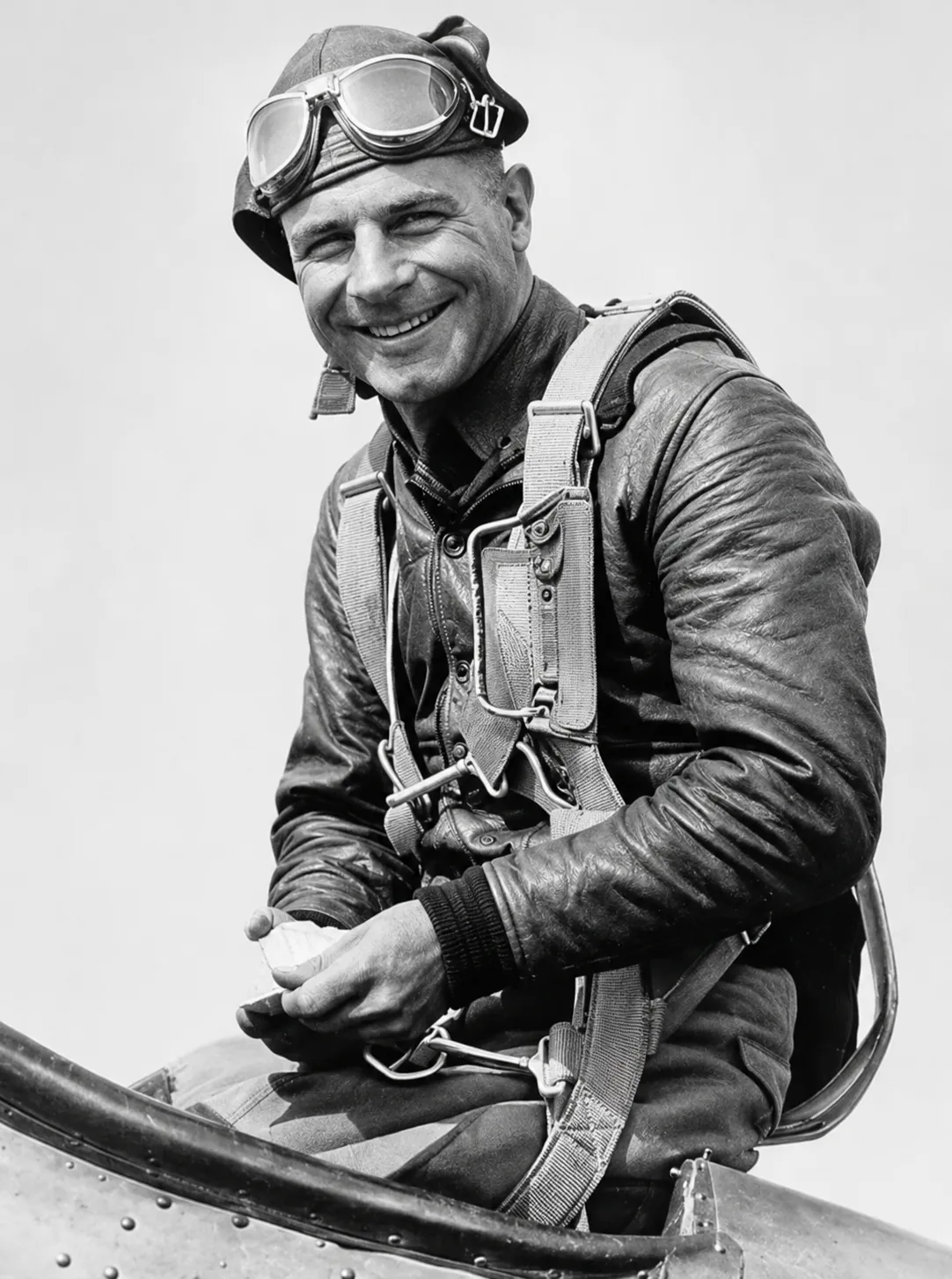
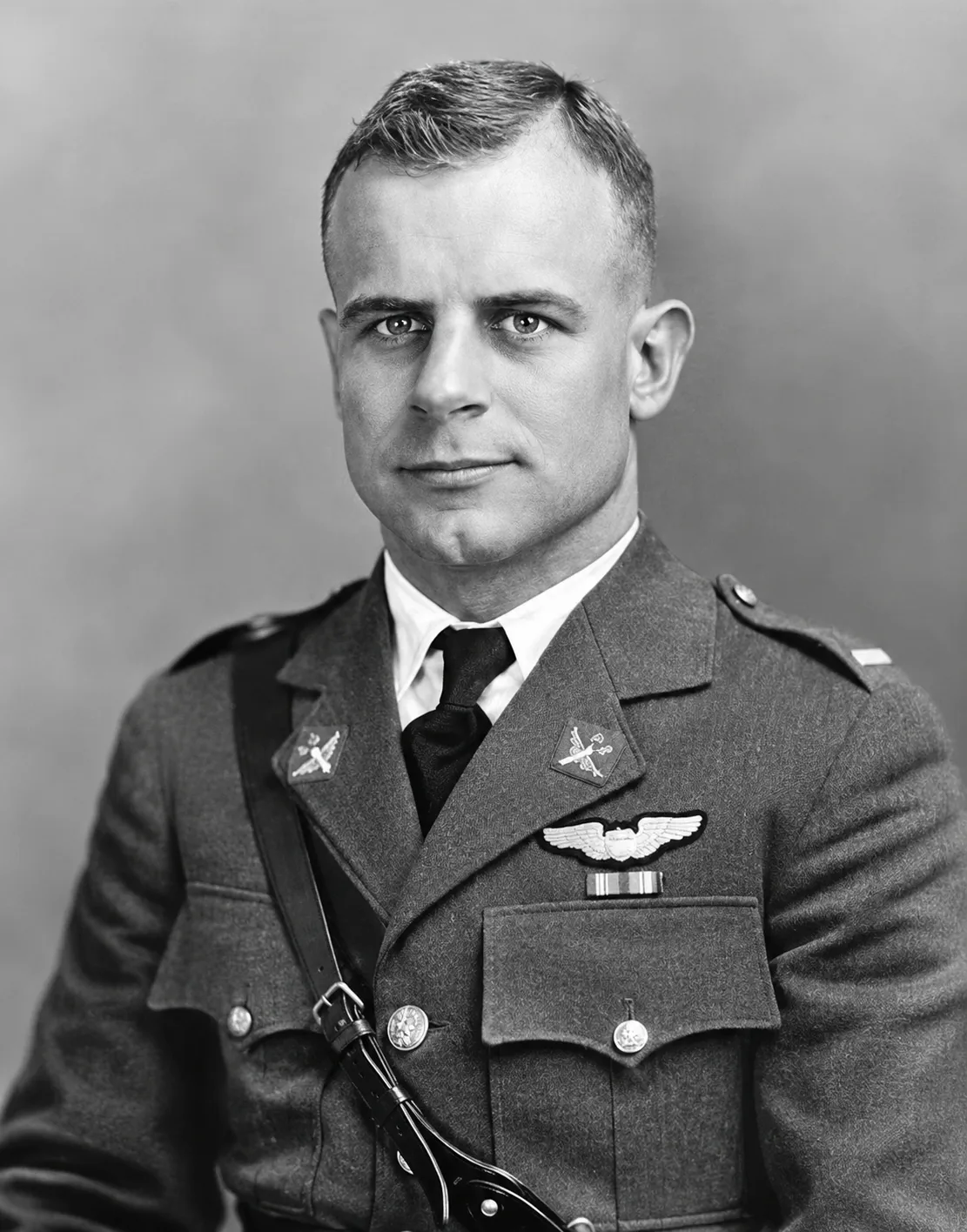
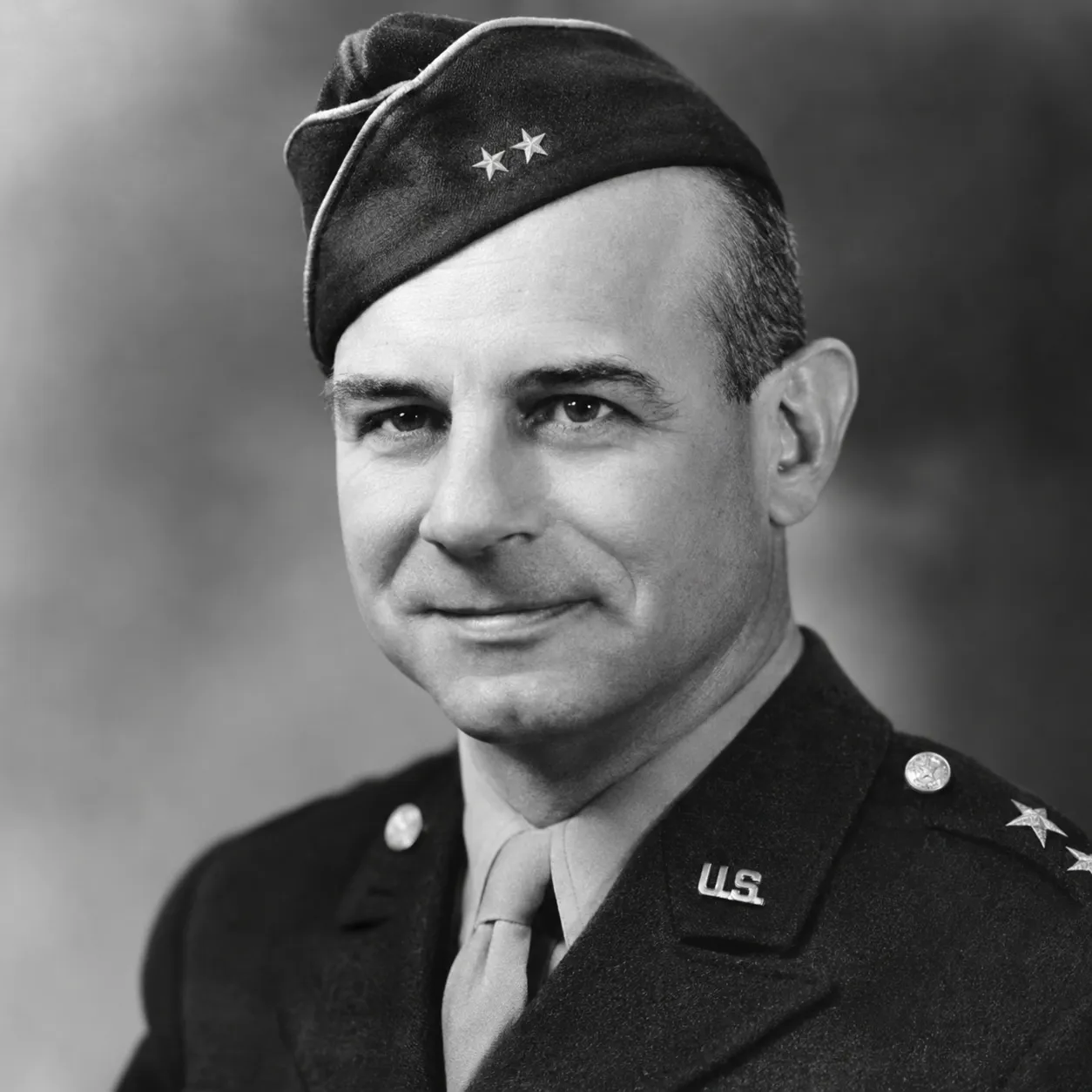
At a glance
Pilot: U.S. Army Air Service Lieutenant James “Jimmy” Doolittle
Race: Eighth Schneider Trophy seaplane race
Date and place: October 26, 1925, over Chesapeake Bay at Bay Shore Park, near Baltimore, Maryland
Aircraft: Curtiss R3C-2 racing seaplane
Result: First place, at an average speed reported as about 232.5 mph over a 350-kilometre course
Why it mattered: Doolittle won the United States its second Schneider Trophy and set a new race speed record for seaplanes. His win showed how flying technique and close course handling could matter alongside engine power.
Sources differ on Doolittle’s precise average speed. The Smithsonian aircraft record gives 232.17 mph, while Doolittle’s later interview and the contemporary race account give 232.57 mph. The 1925 Air Service Newsletter rounds it to 232 mph. This account uses “about 232.5 mph” to reflect that disagreement. See the Smithsonian aircraft record, Doolittle’s 1974 interview, and the 1925 Air Service Newsletter.
Early life
James Harold Doolittle was born in Alameda, California, on December 14, 1896. His father, Frank, went to Nome, Alaska, during the gold rush. Jimmy and his mother, Rosa, joined him there when Jimmy was about two. Doolittle spent much of his childhood in Alaska before returning with his mother to California. He attended school in Nome and later Manual Arts High School in Los Angeles.
Small but athletic, Doolittle became an amateur boxer as a young man. He studied at Los Angeles Junior College and the University of California, Berkeley. His practical mechanical interests and formal engineering education would become important parts of his flying career. See the U.S. Department of Defense biography and the U.S. Air Force biography.
Early flying career
Doolittle enlisted as a flying cadet in the Army Signal Corps Reserve in October 1917. He took ground instruction at the University of California’s School of Military Aeronautics and learned to fly at Rockwell Field in California. Commissioned in 1918, he served as a flight and gunnery instructor. After the First World War, he flew border patrol missions in Texas.
In 1922, Doolittle made a celebrated cross-country flight from Florida to California in a DH-4, taking 21 hours and 19 minutes with one refuelling stop. He later studied aeronautical engineering at the Massachusetts Institute of Technology, earning a master’s degree in 1924 and a doctorate in 1925. While assigned to high-speed aircraft work, he was selected to test Curtiss racing aircraft and received special training in high-speed seaplanes. See the Air Force biography and the Reagan Library biography.
The race
The Schneider Trophy was an international seaplane contest created to encourage advances in maritime aviation. The 1925 event used a triangular course over Chesapeake Bay. Pilots had to complete seven laps of 50 kilometres each, for a total of 350 kilometres, or about 217 miles. The race was first scheduled for October 24, but heavy rain forced a postponement. It took place on October 26 in mild wind and broken cloud. See the 1925 Air Service Newsletter and the Smithsonian archival record.
Doolittle’s R3C-2 was the seaplane version of the Curtiss R3C racer. It had a water-cooled Curtiss V-1400 engine rated at roughly 665 horsepower, a fixed-pitch propeller, and streamlined floats. The aircraft was built for speed, but getting airborne from choppy water was demanding. The contemporary race account describes the Curtiss racers pushing through spray and lifting off despite the waves. See the Smithsonian aircraft record and the National Air and Space Museum’s Pioneers of Flight entry.
The field included two U.S. Navy Curtiss racers, flown by George Cuddihy and Ralph Ofstie; Britain’s Hubert Broad in a Gloster-Napier; and Italy’s Giovanni de Briganti in a Macchi-Castoldi monoplane. Britain’s most promising aircraft, the Supermarine S.4, had crashed during practice, and its reserve entry was also lost before the start. The Air Service Newsletter describes poor weather in the days leading up to the race and rough conditions on the water on race day. See the contemporary race account.
Doolittle was a minute or two late reaching the start line, but the contemporary account says he made up time once he began. He accelerated across the line and was soon flying low toward the home pylon. The account records him arriving there at about 223 mph, banking sharply and keeping close to the course. It describes him holding the aircraft banked as he came around, then gradually levelling out after the turn.
His close line contrasted with Broad’s wider turn, which the account said took him over land and added distance. Ofstie and Cuddihy also followed a wider path at that point. Doolittle later said he had the fastest machine and that it handled well, while acknowledging the other American pilots’ bad luck. The contemporary report also credited his way of taking the turns as a significant part of his performance. See the race account in the 1925 Air Service Newsletter.
As the race went on, the newsletter records Doolittle’s lap speeds rising from 223 to 228, 230, 231, and then 232 mph. By halfway, he was pulling away. Cuddihy suffered engine trouble on the last lap and came down with flames visible at the intake manifold. Ofstie ran out of fuel on the sixth lap and had to land away from the crowd. De Briganti completed only three laps before Doolittle finished. Broad came second, with an average speed of 199.16 mph. See the 1925 Air Service Newsletter.
Doolittle later explained his turning technique in a 1974 interview. He said he approached a pylon slightly above it, lost some altitude while turning, then regained roughly 50 feet on the next straight leg. In his account, climbing through the turn cost too much speed. This recollection fits the contemporary report of his tight, banked turns, though the precise heights and technique come from his later memory rather than a race-day instrument log. See Doolittle’s 1974 interview.
Performance and tactics
Doolittle’s result was a major improvement on the previous Schneider Trophy race record. The 1923 winner, David Rittenhouse, had averaged 177.38 mph. The contemporary Air Service account puts Doolittle’s improvement at about 54.6 mph. His race average includes all seven laps and the turns, so it should not be confused with a straight-line top speed. See the 1925 Air Service Newsletter.
The day after the race, Doolittle flew the R3C-2 over a straight 3-kilometre course to set a seaplane speed record. The Air Service account gives the result as 245.713 mph, calculated from four runs in opposite directions after a diving start. The four recorded speeds ranged from 244.473 to 248.455 mph. Averaging runs in both directions helped reduce the effect of wind. This was a separate record attempt, not his average speed during the race. See the 1925 Air Service Newsletter and the Smithsonian aircraft record.
Doolittle’s tactic can be understood as a way to manage energy through the turns. He kept the turn tight to avoid flying extra distance and used a slight descent through it to preserve speed, then regained altitude on the following leg. The sources support this as his stated approach, but don’t provide enough detailed telemetry to calculate precisely how much time each tactic saved.
After the win
The Schneider victory strengthened Doolittle’s reputation as both a skilled pilot and an engineer. In the late 1920s he worked on experimental flying and instrument guidance. In 1929, he made a landmark flight entirely by instruments, demonstrating that a pilot could take off and land without seeing outside references. In 1930, he left the regular Army and joined Shell Oil, where he led aviation testing and helped advance high-octane fuels.
He continued to race, winning the Bendix Trophy in 1931 and the Thompson Trophy in 1932. After the United States entered the Second World War, Doolittle returned to active duty. In April 1942, he led the first U.S. air raid on the Japanese home islands—the Doolittle Raid—and received the Medal of Honor. He later commanded the Twelfth and Fifteenth Air Forces, and then the Eighth Air Force in Europe. He left active duty in 1946 and remained influential in aviation and aerospace circles. See the Air Force biography and the Reagan Library biography.
Notable facts and legacy
- The 1925 win was the first Schneider Trophy victory by an Army pilot. The U.S. Navy had won the 1923 race.
- The R3C-2 Doolittle flew is preserved in the Smithsonian National Air and Space Museum collection. See the Smithsonian aircraft record.
- Doolittle later recalled that his engineering knowledge helped him choose a propeller pitch suited to the aircraft and engine. That detail comes from his 1974 interview, not the contemporary race report. See the interview.
- The 1925 win did not keep the Trophy in American hands. Italy won in 1926, and Britain later won three consecutive contests to secure it permanently in 1931. Doolittle’s victory remains a high point of American interwar air racing and an early example of his combination of flying skill and technical judgment. See the Smithsonian archival record.
Sources
- 1925 Air Service Newsletter: contemporary race account and speed figures
- Smithsonian National Air and Space Museum: Curtiss R3C-2
- Smithsonian National Air and Space Museum: 1925 Schneider Trophy program record
- U.S. Air Force biography of James H. Doolittle
- Reagan Library biography and service chronology
- Doolittle’s 1974 oral-history interview