Howard Pixton
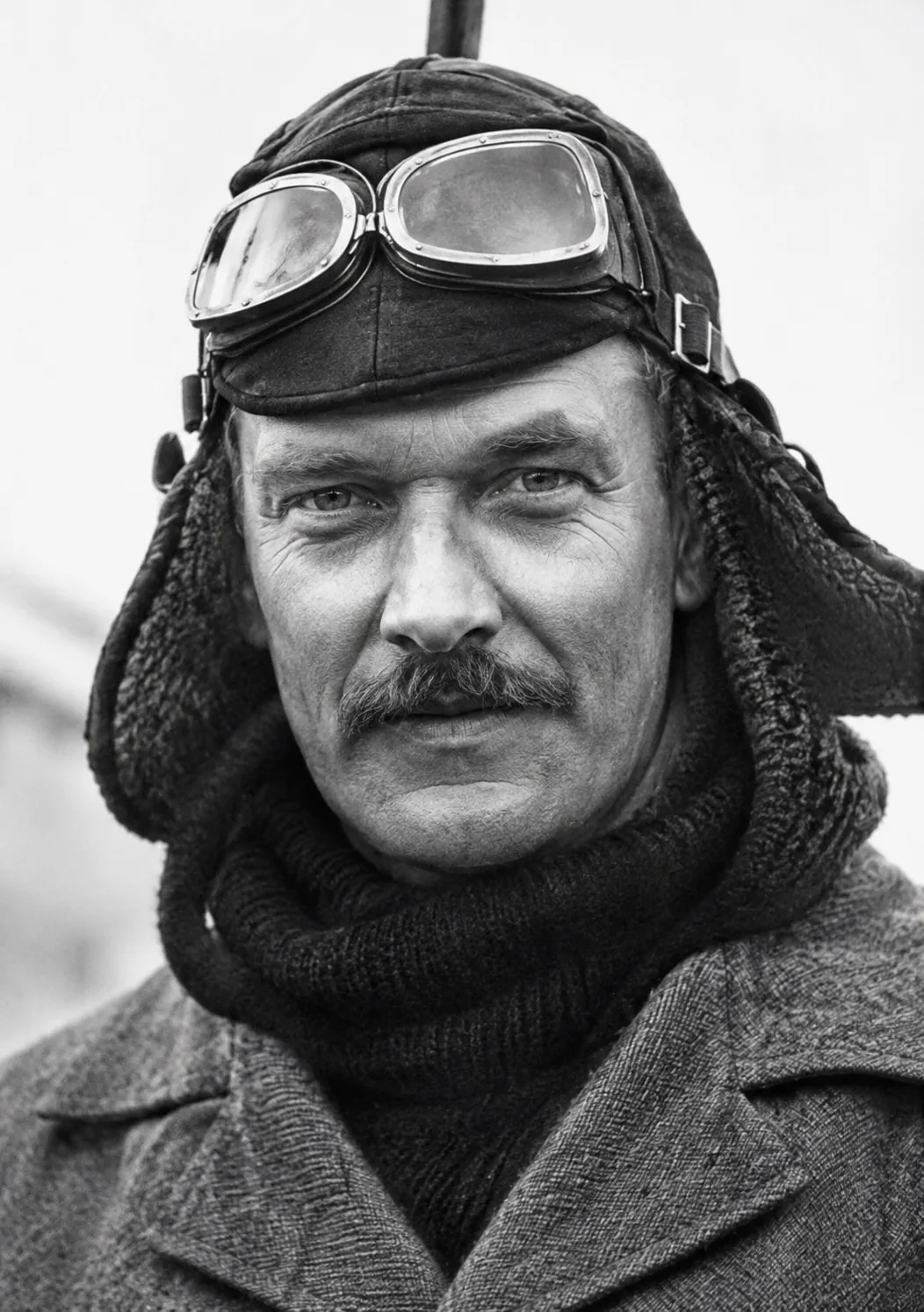
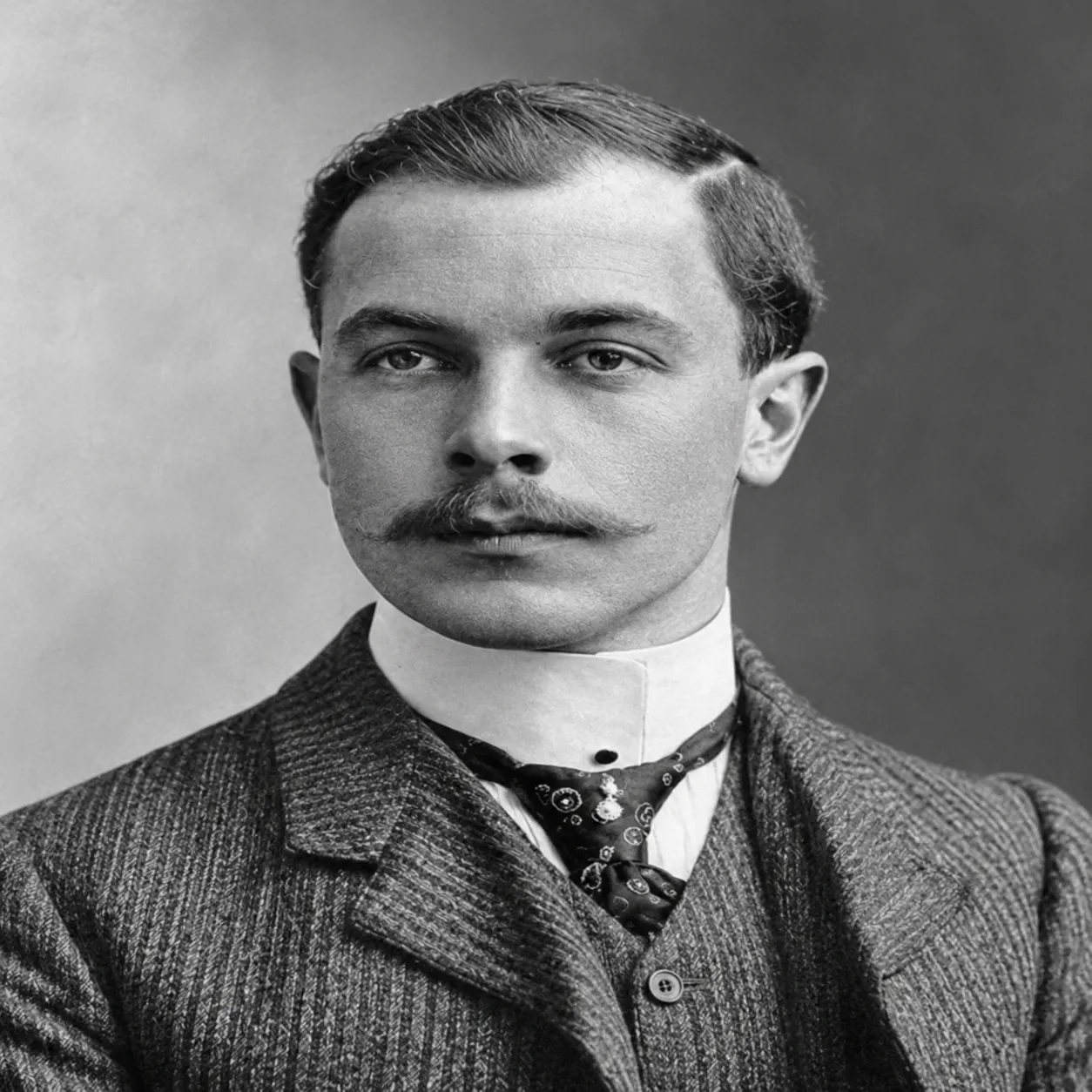
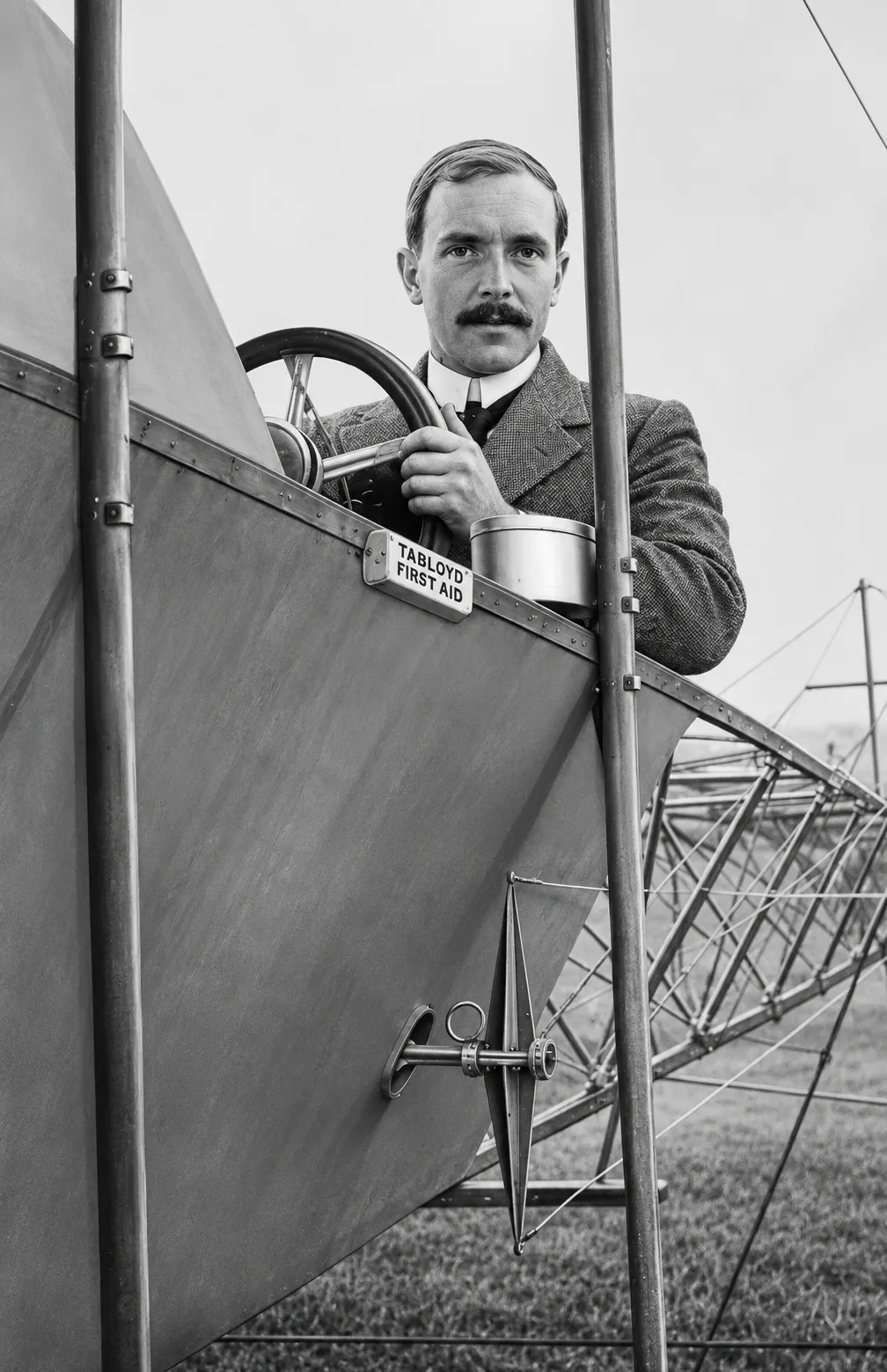
At a glance
Pilot: Cecil Howard Pixton, British test pilot and air racer
Race: Second Schneider Trophy seaplane contest
Date and place: April 20, 1914, at Monaco
Aircraft: Sopwith Tabloid floatplane, race number 3, powered by a 100-horsepower Gnome Monosoupape engine
Result: First place after 28 laps of the course, at an average speed usually reported as about 86.8 mph
Why it mattered: Pixton gave Britain its first Schneider Trophy victory. The win demonstrated how a compact, fast biplane could outperform larger, more powerful seaplanes, and the contest became one of the last major international air races before the First World War.
Published sources vary slightly on the race average: figures range from 86.43 to 86.83 mph. The contemporary U.S. Army Air Service summary gives 86.8 mph, which I use here as a rounded figure. Some accounts also differ in whether they report Pixton’s 28-lap race alone or mention his two additional laps afterward.
Early life
Cecil Howard Pixton was born in West Didsbury, Manchester, on December 14, 1885. He was the youngest of four sons of John Pixton, a stockbroker, and Elizabeth Pixton. He attended Manchester Grammar School. His daughter Stella Pixton later drew on family recollections and records in her biography of him. The biography preview includes extracts from his account of his childhood and education.
Early flying career
Pixton became involved in aviation in 1910, when he joined the early flying community at Brooklands. He earned Royal Aero Club Aviator’s Certificate No. 50 on December 31, 1910. He became an instructor at A. V. Roe & Company’s flying school and one of the company’s early test pilots. He flew Avro aircraft, including the prototype Avro D, and developed a reputation for being comfortable testing unfamiliar machines. See the Waterbird account of Pixton’s flying career and the Royal Aeronautical Society’s overview.
By 1914, Pixton was working for the Sopwith Aviation Company, where he tested aircraft designed by Harry Hawker and Thomas Sopwith. His test-pilot work included seaplanes, giving him useful experience for a race that required repeated take-offs, landings, and turns over water. The Royal Aeronautical Society describes his early flying with Avro, Bristol, and Sopwith in its historical account.
The race
The Schneider Trophy was a seaplane speed contest created to encourage the development of aircraft that could operate from water. Monaco hosted the 1914 event, as it had the first contest in 1913. The course was a closed circuit over the sea, about 10 kilometres per lap, and competitors had to complete 28 laps. The course required pilots to navigate around marked turning points while managing water take-offs and landings.
Several nations entered aircraft, but the actual field narrowed before race day. The German entry crashed, while some competitors did not start. The main challengers who flew included French Nieuport monoplanes, Switzerland’s FBA flying boat, and British entries including Pixton’s Sopwith and Lord Carbery’s aircraft. Pixton’s machine was a small biplane adapted from the Tabloid by fitting floats and a more powerful engine.
Preparing the aircraft involved practical changes. On an early water test, the original float dug into the water when Pixton applied power, throwing him into the sea. The team later replaced it with twin floats to improve stability. They also fitted a coarser-pitch propeller to keep engine revolutions within the manufacturer’s recommended range, strengthened the rigging, and added an auxiliary fuel tank to make sure the aircraft could cover the required distance. These preparation details are recorded in Kingston Aviation’s Sopwith chronology.
Race day began early. The Sopwith team brought the machine to the waterfront before dawn. The wind was reported from the southeast at up to about 15 mph, with the sea fairly smooth at the start. French aircraft crossed the line first, followed by the Swiss FBA. Pixton started later, at about 8:16 a.m., and quickly made up ground. A contemporary-derived account says he crossed the line at full power, took off after a short run, and completed the required water contacts with little apparent loss of speed.
The Sopwith’s speed was apparent from the opening lap. Pixton’s first lap took about 4 minutes and 27 seconds, and the aircraft was described as making a steep, tight turn around a course mark. The Kingston Aviation race chronology compares his best 50-kilometre average, about 92 mph, with roughly 75 mph for the French monoplanes and about 65 mph for the Swiss aircraft.
Pixton’s race was not entirely trouble-free. Around the 15th lap, the Gnome engine began to misfire. His lap times slowed, but the engine settled and continued running on eight of its nine cylinders. The French Nieuports developed overheating problems and retired around the 16th and 17th laps. The Swiss pilot, Ernest Burri, had to stop to refuel after about 20 laps. Pixton continued while the sea grew rougher, making the eventual landing a further challenge.
Pixton completed the required 28 laps and won. Afterward, by prior arrangement, he continued for two additional laps to complete 300 kilometres and attempt a seaplane speed record. The extra flying was separate from the Trophy result. The contemporary Army account and later histories treat the Trophy win as the 28-lap course, while the extra distance was a follow-on record flight.
Performance and tactics
The course was 28 laps of roughly 10 kilometres, or about 280 kilometres in total. The U.S. Army Air Service’s later historical summary says Pixton completed this distance at an average of 86.8 mph. Other published results list 86.43 mph, while some later accounts give 86.78 or 86.83 mph. These small differences may reflect rounding or different calculations of course distance and elapsed time; the sources consulted do not resolve the discrepancy. The Army Air Service Newsletter gives the rounded figure of 86.8 mph, and the Schneider results list records a lower precise figure.
The Sopwith’s advantage came from its combination of low weight, speed, and handling, rather than simply from engine power. Its 100-horsepower engine was less powerful than the 160-horsepower engines in some rival aircraft, but the compact biplane was exceptionally quick. Tight turns around the course marks also mattered: a pilot who could turn sharply without losing too much speed could reduce distance and time. The sources describe Pixton’s steep banking and the Tabloid’s speed, though they do not provide enough measured data to calculate exactly how much time his cornering saved.
The additional two laps after the race are often associated with a floatplane speed record of about 86.6 mph over 300 kilometres. Other retellings quote a fastest lap near 92 mph. These figures refer to different measures: the average over the longer 300-kilometre run versus speed over a shorter course or lap. They should not be confused with the Trophy race average.
After the win
The victory brought Pixton and Sopwith international attention and gave Britain its first major Schneider Trophy success. Pixton continued as a test pilot and flew a wide range of aircraft. During the First World War he served with the Royal Flying Corps and later the Royal Air Force, including work testing aircraft and inspecting factories. A biographical account reports that he had flown or test-flown around 80 types and logged about 3,500 hours by 1918. See Waterbird’s Pixton biography.
After the war, Pixton returned to civilian aviation. In 1919 he operated seaplanes on Windermere, offering passenger flights, flying instruction, and other services. He later established a motor garage and transport business in the area. Pixton remained connected to aviation history and lived until 1972. His daughter Stella’s biography of his life draws on family papers and recollections.
Notable facts and legacy
- Pixton was the first British pilot to win the Schneider Trophy. Britain’s next victory came in 1922, after the competition resumed following the First World War.
- The Tabloid was originally designed as a fast sports aircraft. With floats and a more powerful engine, it became Britain’s winning seaplane entry.
- Pixton’s victory followed a rushed conversion and practical problem-solving: a float that dug into the water was replaced with twin floats, and the team adjusted the propeller and fuel arrangement before the contest.
- The race was one of the last major Schneider Trophy contests before the First World War halted international competition for several years.
Sources
- U.S. Army Air Service Newsletter: historical summary of the 1914 Schneider race and result
- Kingston Aviation: Sopwith development, race preparation, and 1914 race chronology
- Royal Aeronautical Society: Howard Pixton, Britain’s first Schneider Trophy winner
- Waterbird: Pixton’s aviation career and postwar seaplane work
- Schneider Cup Races: historical results list
- Stella Pixton, Howard Pixton: Test Pilot & Pioneer Aviator, biography preview