Henry Waghorn
At a glance
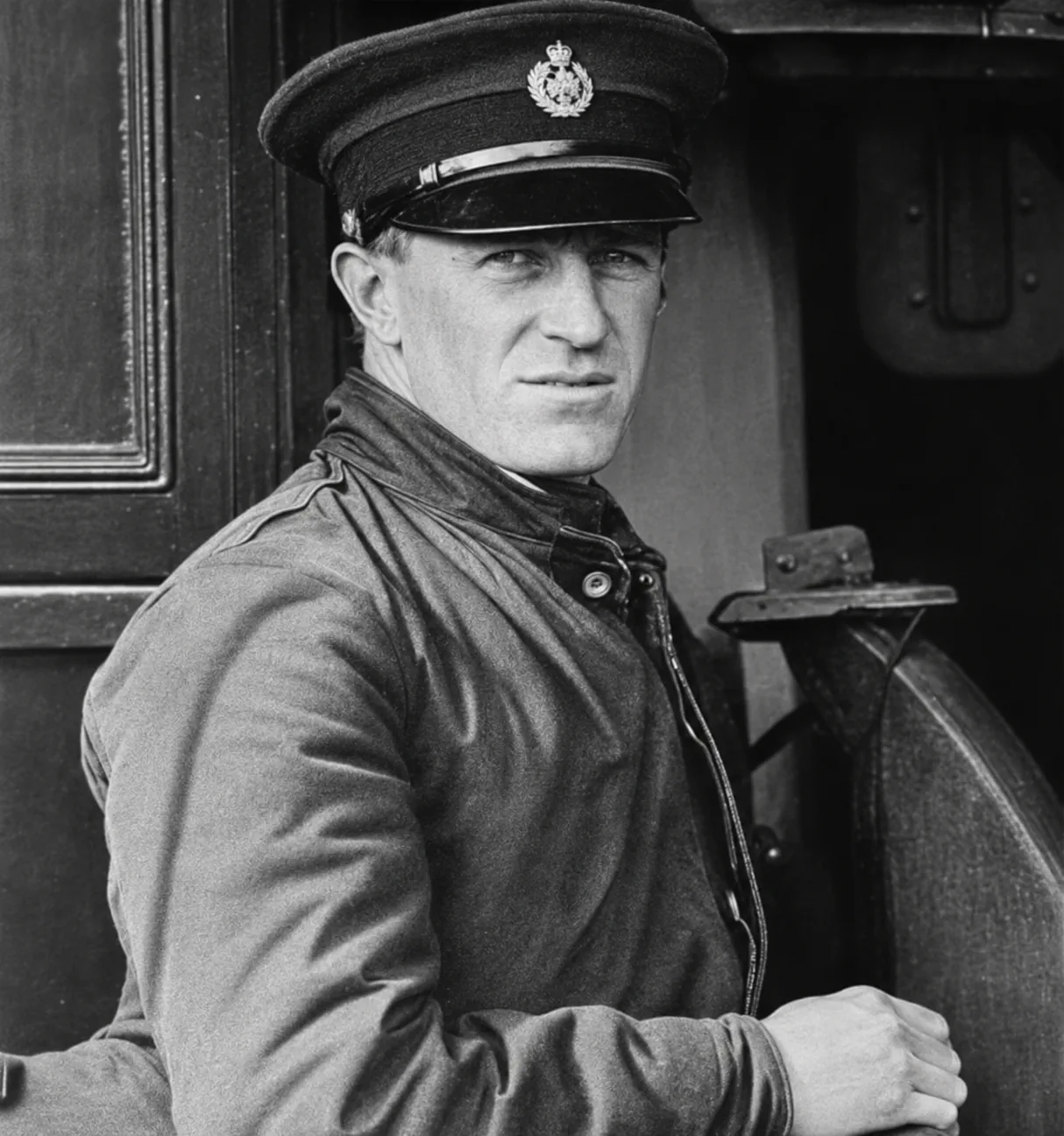
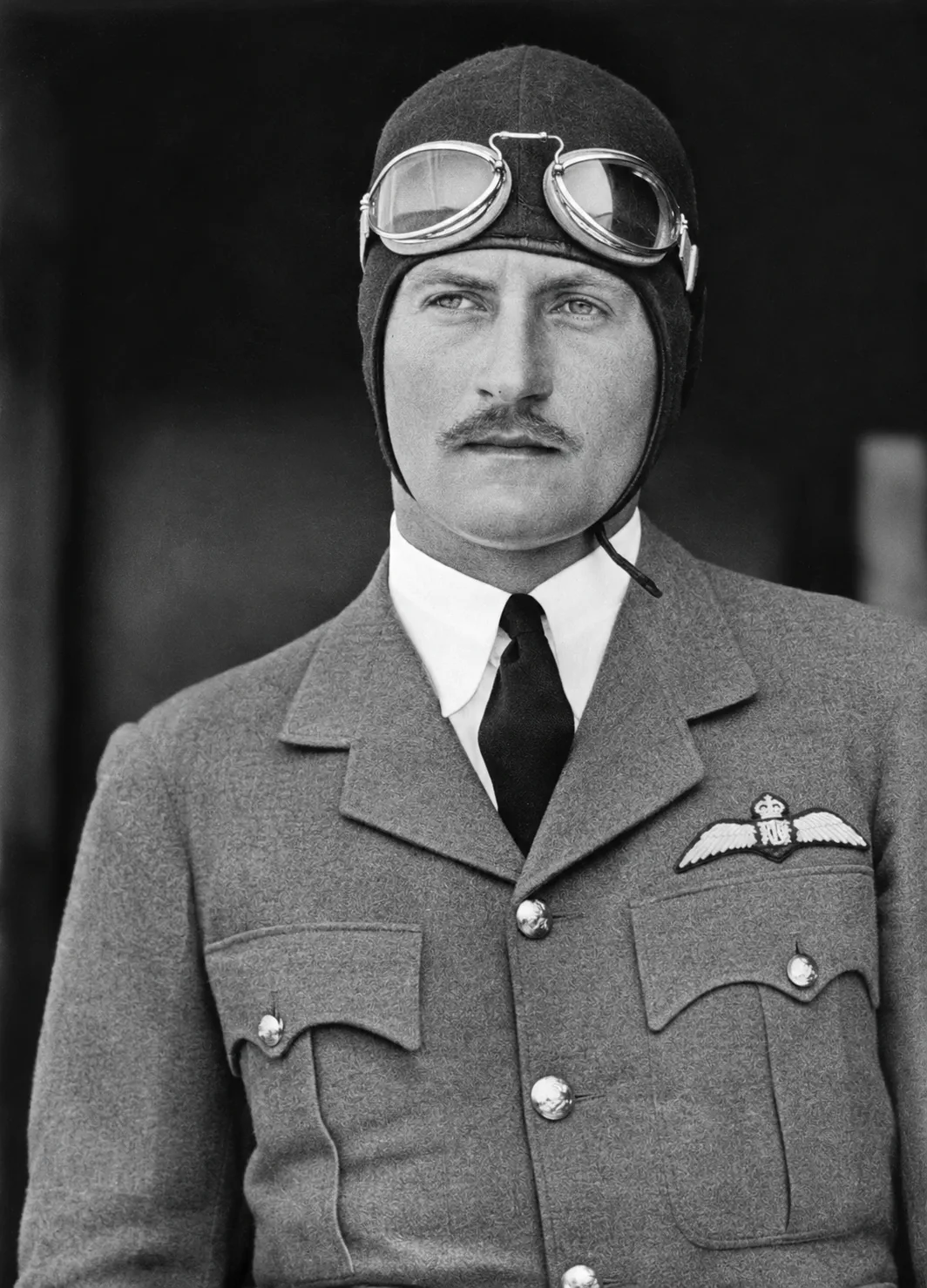
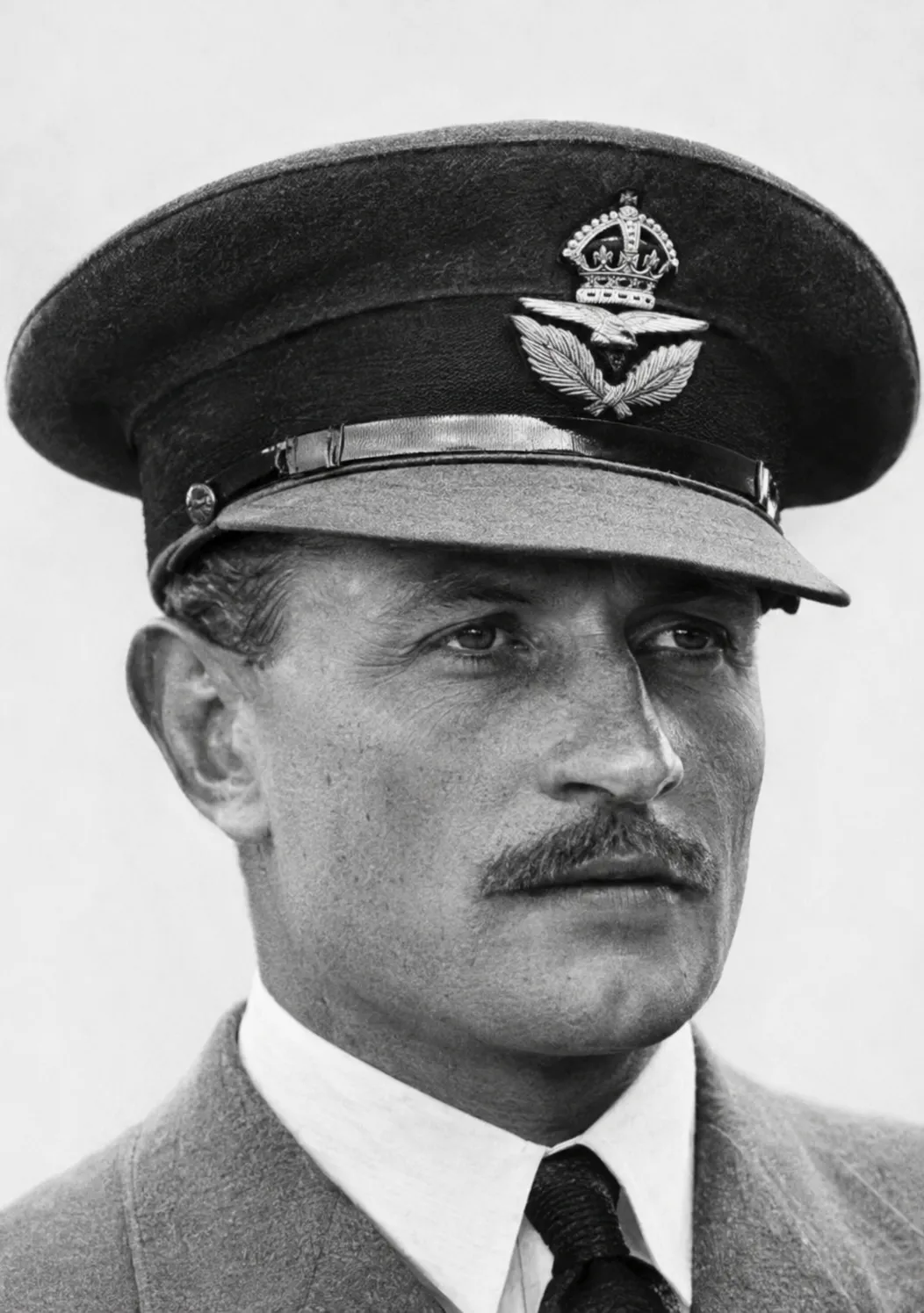
Pilot: Flight Lieutenant Henry Richard Danvers Waghorn (often called Dick Waghorn).
Race: Schneider Trophy, 1929.
Aircraft: Supermarine S.6, race number N247, powered by a Rolls-Royce R racing engine.
Result: First place, with an average speed of 328.63 mph over seven laps. The win gave Britain its second Schneider Trophy victory and kept alive its attempt to secure the trophy outright with three consecutive wins. The RAF Museum’s 1929 timeline records the win; contemporary results give the more precise average speed.
Early life
Waghorn was born in Brompton, London, in 1904. A contemporary newspaper obituary identifies his school as Wellington College and says that he entered the RAF College at Cranwell as a cadet in 1922. The available accounts provide little detail about his family or childhood interests, so it is not possible to say confidently what first drew him to aviation. The 1931 obituary in the Christchurch Star is the main contemporary source for these biographical details.
Early flying career
Waghorn trained at Cranwell from 1922 to 1924. The RAF College’s alumni record lists him as a 1924 graduate and identifies him as a Schneider Trophy winner. After graduating, he joined No. 17 Squadron and later completed an instructor’s course at the Central Flying School, where he served as an instructor. His training and service put him in the RAF pool of experienced pilots considered for specialist high speed flying. The RAF College Cranwell alumni record confirms his cadet years and trophy win; the contemporary obituary describes his postings and instructor service.
He joined the RAF High Speed Flight in the late 1920s. The team trained at Calshot, on the Solent, where pilots and engineers prepared the aircraft for both the trophy race and speed record attempts. In a 1930 account, Waghorn described the team’s preparations and noted that winter weather limited early flying. His account, published in The Aeronautical Journal, offers a rare first person view of the High Speed Flight’s work.
The race
The Schneider Trophy was an international seaplane race intended to encourage advances in aircraft and engine design. The 1929 contest took place on 7 September around a closed course in the Solent, with the start and finish near Ryde on the Isle of Wight. Pilots had to complete seven laps, about 350 kilometres (218 miles) in all, passing around the course’s turning points. The rules made course keeping essential: a pilot who cut inside a turning marker could be disqualified, even if the aircraft had recorded a fast time. A contemporary preview in the Otago Daily Times describes the course and race arrangements.
Britain and Italy each entered three pilots. Waghorn and Richard Atcherley flew new all metal Supermarine S.6 monoplanes with Rolls-Royce R engines. D’Arcy Greig flew a Supermarine S.5 from the previous generation. Italy’s entries included Tommaso Dal Molin in a Macchi M.52R and Giovanni Monti and Rumo Cadringher in Macchi M.67 aircraft. The American military publication Air Service Newsletter reported that the weather was ideal on race day and that Waghorn was the first contestant to start, shortly after 2 p.m. Its contemporary race report provides the field, aircraft and race narrative.
Waghorn’s seven recorded lap speeds were remarkably consistent: 324 mph, 329.54 mph, 331.1 mph, 328 mph, 329.93 mph, 327.04 mph and 330.91 mph. He completed the course in about 39 minutes 43 seconds. These figures describe his official race performance; they do not show that he flew every section at a constant speed. The average reflects the full course, including the turns and other parts of the circuit. The surviving accounts do not document his private thoughts or provide a turn by turn account of his tactical decisions, so claims about a specific strategy would be speculation.
The British team’s other performances shaped the result. Dal Molin completed the course and finished second at 284.2 mph; Greig was third at 282.11 mph. Atcherley was faster on several laps, but officials disqualified him for cutting inside a turning point. The Air Service Newsletter says Atcherley had lost his goggles, which may have contributed to his difficulty following the course; that explanation is reported after the event, not established as his own account of the incident. Monti and Cadringher both retired on the second lap: Monti after a broken water pipe caused scalding, and Cadringher after exhaust fumes impaired him. The contemporary race report gives these accounts and the lap table.
Performance and tactics
Waghorn’s official average of 328.63 mph—about 529 km/h—was the winning race speed over the seven lap course. The precise lap figures show how closely he maintained pace, within a range of roughly seven miles per hour. His third lap, at 331.1 mph, was his fastest in the report’s table. The result is best understood as a combination of high speed and completing the full course within the rules: Atcherley’s faster laps could not count toward the race placing after his disqualification.
Contemporary reporting also described speed records set during the same event. The Air Service Newsletter credited Atcherley with world records over 50 and 100 kilometres at an average of 332 mph, even though he was disqualified from the trophy race. The RAF Museum separately records Atcherley’s 100 kilometre closed circuit record at 331 mph on 7 September. These reports appear to use different rounding or record summaries, so they should not be collapsed into a single precise figure. The distinct achievement was Waghorn’s trophy win; Atcherley’s record claims concerned measured speed over shorter distances. The RAF Museum timeline and the race report record the respective results.
There is also a distance error in the Air Service Newsletter’s introductory summary, which says the seven laps totaled 750 kilometres. Its detailed lap table and other race histories give the course as seven laps of 50 kilometres, or 350 kilometres. That total also accords with the reported winning time and average speed. The 750 kilometre figure is therefore best treated as a typographical error, not as the race distance.
After the win
Waghorn received the Air Force Cross in recognition of his Schneider Trophy victory. The award marked the public and official importance attached to the win, which demonstrated Britain’s renewed competitiveness in high performance seaplanes. He continued to fly and was preparing for the next Schneider contest when he was involved in a fatal test flight accident in 1931. The contemporary obituary reports the award and his continued work in aviation.
On 5 May 1931, Waghorn was testing a Hawker Horsley fitted with an alternative engine near Farnborough, accompanied by Royal Aircraft Establishment test pilot E. Alexander. Contemporary reporting said that the aircraft became uncontrollable in strong winds and both men abandoned it by parachute. Waghorn was seriously injured and died on 7 May, aged 26. The RAF casualty record gives the aircraft’s identity as Horsley J8932 and says Waghorn waited for Alexander to jump before leaving the aircraft himself; that account should be read as a later service history, rather than a verbatim contemporary eyewitness report. The RAF casualty listing and the contemporary obituary record the accident and his death.
Notable facts and legacy
Waghorn’s win was part of a broader British engineering effort involving the RAF High Speed Flight, Supermarine and Rolls-Royce. The S.6 and its R engine represented a major step in the development of high speed aircraft, though the race itself was a contest between pilots, machines, preparation and rule compliance. Britain’s victory in 1929 was its second Schneider Trophy win; the RAF Museum’s timeline also notes that the trophy was won again for Britain in 1931.
Waghorn is remembered principally for piloting the 1929 winning S.6. He did not live to see the 1931 contest, which secured Britain’s third consecutive victory and permanent possession of the trophy. His career was short, but his place in the story of British racing aviation is clearly documented by contemporary race reporting, RAF records and the Cranwell alumni memorial.
Sources
- Air Service Newsletter, 1929: “The Schneider Trophy Race” — contemporary report with race results, lap speeds, aircraft and incidents.
- Royal Air Force Museum, “British Military Aviation in 1929” — trophy result and contemporary speed record context.
- Otago Daily Times, 7 September 1929 — preview of the course, race arrangements and entrants.
- Christchurch Star, 8 May 1931 — contemporary obituary with biographical details, RAF career, award and fatal accident.
- RAF College Cranwell alumni record — Waghorn’s cadet dates and Schneider Trophy recognition.
- H. R. W. Waghorn, “The Schneider Trophy, 1929,” The Aeronautical Journal, May 1930 — Waghorn’s first person account of team preparation.
- RAF casualty record for 1931 — service history of the Horsley accident.