Henry Biard
At a glance
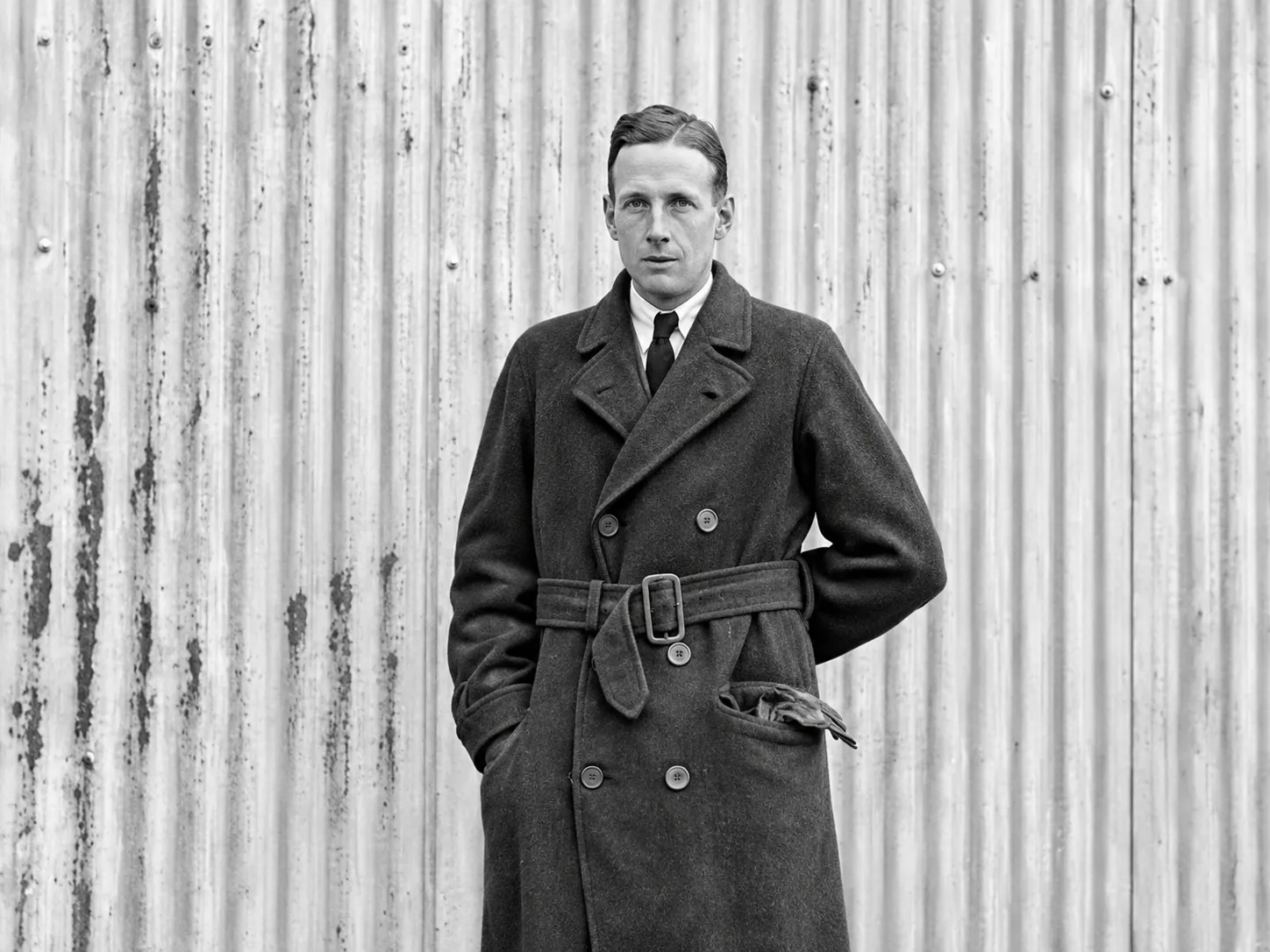
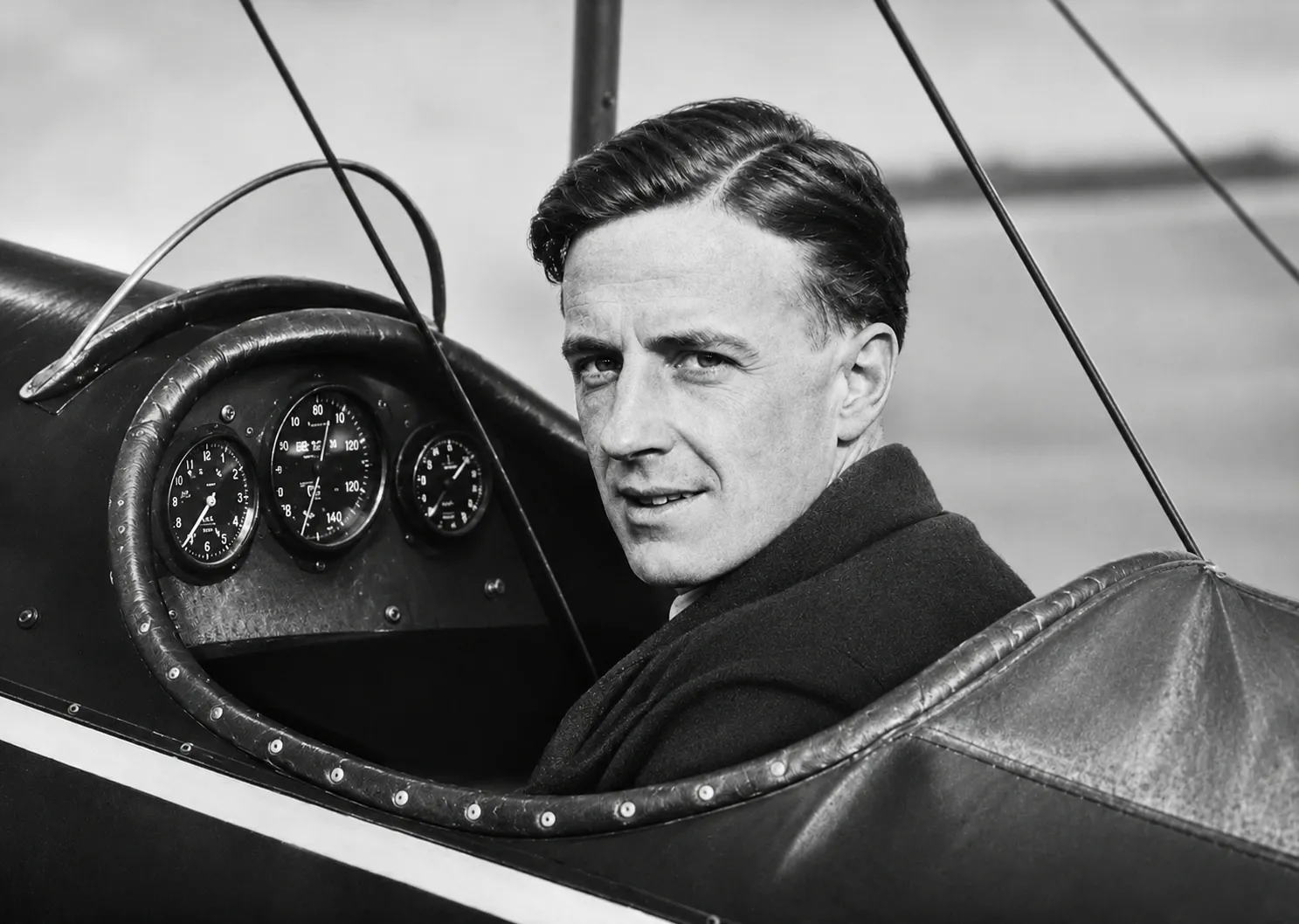
Pilot: Henry Charles Amédée de la Faye Biard, usually known as Henry or Henri Biard.
Race: Schneider Trophy, Naples, 1922.
Aircraft: Supermarine Sea Lion II, powered by a 450 hp Napier Lion engine.
Result: First place for Great Britain, at an official average speed of about 234.5 km/h (145.7 mph). Biard’s win ended Italy’s run of two consecutive victories and kept the trophy from being retired by Italy. Science Museum Group biography of Biard; 1922 U.S. Air Service race report.
Early life
Biard was born in Godalming, Surrey, on 1 January 1892. His father was French and taught at Charterhouse; his mother was English. Biard described himself as Anglo-French. He spent part of his youth in Jersey, where he and his brother attended Victoria College. The Science Museum Group’s biographical record does not give much detail about his family life or early interests beyond his growing determination to learn to fly. Science Museum Group biography of Biard.
Early flying career
Biard became keen to fly at about 17. He later earned a Royal Aero Club aviator’s certificate. In 1913, while attending the Central Flying School at Upavon, he received a probationary commission as a second lieutenant in the Royal Flying Corps. He resigned a little over a year later. Science Museum Group biography of Biard.
When war began, Biard was in northern France visiting his grandparents. After returning to England, he instructed young pilots at the Grahame-White Flying School at Hendon. In 1917 he joined the Royal Naval Air Service as a probationary flight officer and flew anti-submarine patrols in a Wright seaplane. By 1919 he had left military service and joined Supermarine at Woolston as a test pilot. He later became the company’s chief test pilot, testing new and production aircraft and flying cross-Channel services. Science Museum Group biography of Biard.
The race
The 1922 contest was held in the Bay of Naples, with the race itself flown on 12 August. The triangular course was about 28.5 kilometres per lap, flown 13 times, for a total close to 200 nautical miles (about 371 kilometres). Repeated turns made the event a test of handling and sustained speed as well as engine power. The rules also required seaplanes to demonstrate that their hulls or floats could safely operate on water. 1922 U.S. Air Service race report; Schneider Cup race results.
Italy had won the two previous contests, so another Italian victory would have secured the trophy permanently under the three-wins-within-five-years rule. France had planned to enter two aircraft, but neither was ready in time. Britain’s entry was Biard in Supermarine’s Sea Lion II; Italy fielded Alessandro Passaleva in a Savoia S.51 and Arturo Zanetti and Piero Corgnolino in Macchi M.17s. This made the race a contest between the British aircraft and three Italian machines. 1922 U.S. Air Service race report; Hydroretro’s 1922 race history.
The Sea Lion II was a biplane flying boat designed by Reginald Mitchell and built by Supermarine. Its 450 hp Napier Lion engine drove a pusher propeller, mounted behind the wings. Biard was Supermarine’s test pilot, but the aircraft had little time for preparation: the race date had been brought forward, and the machine had to be shipped to Naples. Later accounts describe engine and fuel-system adjustments during testing. These accounts establish that the team faced a compressed preparation schedule, though they do not show precisely how each change affected the race. Supermarine seaplane history; Science Museum Group biography of Biard.
Biard flew the full course in 1 hour, 34 minutes and 51.6 seconds. The 1922 U.S. Air Service account records Passaleva second and Zanetti third, with Corgnolino fourth. The available contemporary summary gives no detailed lap-by-lap description of Biard’s decisions or the competing pilots’ positions, so a precise tactical narrative cannot be reconstructed from it. Later retellings describe the Italians grouping near turns and Biard overtaking them, but the accounts are not consistent enough to treat that as settled fact. 1922 U.S. Air Service race report; Jerripedia biography drawing on Biard’s autobiography.
Performance and tactics
Biard’s recorded time converts to an average of about 234.5 km/h, or 145.7 mph, over the entire course. That is a course average, which includes the effects of turns; it is not the Sea Lion II’s maximum straight-line speed. The U.S. Air Service report gives Passaleva’s time as 1 hour, 36 minutes and 22 seconds. A later race-results compilation gives 1 hour, 36 minutes and 54.2 seconds, a difference of just over 32 seconds. Both sources place Passaleva second, but the discrepancy means the exact winning margin should be treated cautiously. 1922 U.S. Air Service race report; Schneider Cup race results.
A later account reports Biard’s first lap as his fastest, completed in 7 minutes 10 seconds, and says his lap times gradually slowed. It also describes Biard starting first and later overtaking the Italian aircraft. These details are useful as a reconstruction, but they come from a later biographical retelling rather than the contemporary U.S. summary, which records the overall times and course without a lap table. Specific claims about his intentions or exact racing line should therefore be treated as uncertain. Biard biographical article, race account; 1922 U.S. Air Service race report.
After the win
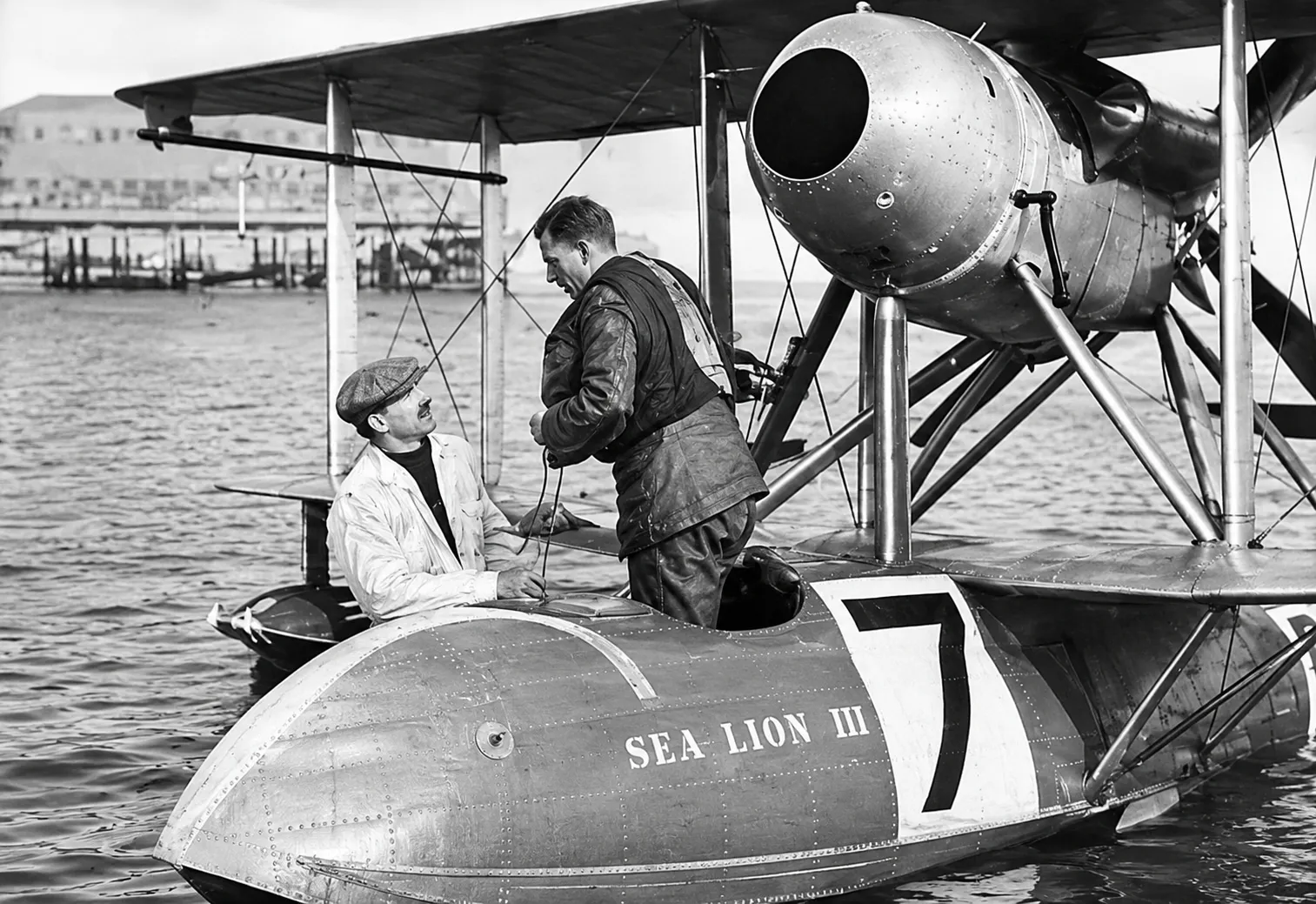
Biard returned to the Schneider Trophy in 1923, placing third in the Supermarine Sea Lion III. In 1925 he was selected to fly Supermarine’s S.4. Before the race, he set a British airspeed record and a world floatplane record at an average of 226.75 mph. The S.4 later crashed during a test run in America; Biard survived but was injured. Science Museum Group biography of Biard.
Biard remained with Supermarine until 1933, when he was made redundant after the company’s sale to Vickers-Armstrong. He later worked with Guernsey’s meteorological service and returned to the RAF during the Second World War as a communications pilot. After the war he went back to Guernsey. He died in Charminster, Dorset, on 18 January 1966. Science Museum Group biography of Biard.
Notable facts and legacy
Biard’s victory stopped Italy from taking permanent possession of the Schneider Trophy after its 1920 and 1921 wins. It also returned the competition to Britain for the 1923 race. His win connected Supermarine’s early flying-boat work with a longer line of Schneider aircraft designed by Mitchell; the Sea Lion II was an early step in the company’s racing and seaplane development. Hydroretro’s 1922 race history; Supermarine seaplane history.
Biard’s career was broader than this single race: he instructed wartime pilots, served in naval aviation, tested Supermarine aircraft, raced again, and later flew communications duties for the RAF. The record of the 1922 race is clearest about the result, aircraft, overall time and course. It is thinner on the tactical details that would turn the event into a lap-by-lap story, so those details should be read as later recollection rather than a complete contemporary record.
Sources
- Science Museum Group, “Henry C Biard 1892–1966” — biographical details and career chronology.
- U.S. Air Service, 1922 Schneider Cup report — contemporary account of the entries, course, elapsed time and placings.
- AirRace, Schneider Cup race results — course length, recorded times and speed figures.
- Hydroretro, “Schneider Trophy History 1922” — aircraft, engines and final classification.
- Supermarine Seaplane, trophy history — Sea Lion II context and the 1922 result.
- Jerripedia, “Henry Charles Biard” — later race narrative and personal history, including material attributed to Biard’s autobiography.