The Schneider Story
Written by Mark Blois-Brooke
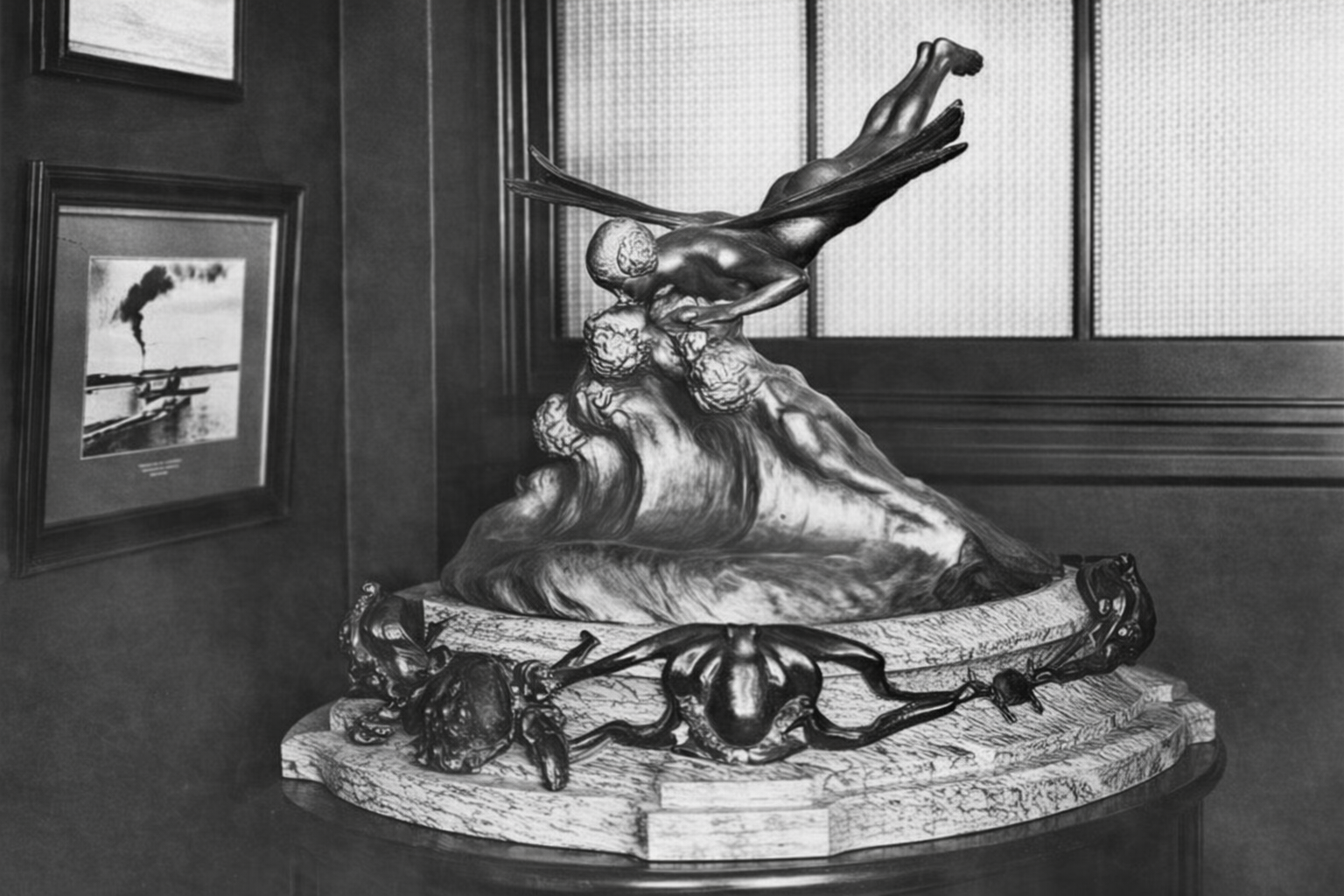
In the early part of the 20th century Jacques Schneider, a wealthy French industrialist and aircraft enthusiast with a taste for adventure, was convinced that the future of aircraft lay in seaplanes as so much of the Earth is covered in water. In 1912, at the Aeroclub de France, he proposed to the assembled members an annual contest for seaplanes to support the progress of aviation in general - and seaplanes in particular.
The idea of the contest was accepted and so was born the famous Schneider Trophy. Whichever pilot, or nation, that could win three consecutive races in five years could keep the trophy and the winning pilot win 75,000 Francs for each of the wins.
The Untold Story
Written by Mark Blois-Brooke
Following their win in the USA , the 1927 race was held on 26th September in Venice. The Italians were in buoyant mood, confident of another victory this time on home territory. They fielded the 1000hp Macchi M.52, an updated, lightened and improved version of the previous year’s M.39 but engine problems and a fatal accident in practice dampened the Italian pilots’ panache
In Great Britain, Supermarine were working on an aircraft to meet the Air Ministry’s requirements of 265mph and good handling characteristics. Enter R.J Mitchell’sSup ermarine S.5 monoplane. Powered by a powerful Napier Lion engine with innovative cooling, this was a true 300 mph thoroughbred that first flew in June of that year. Gloster Aircraft entered the 900hp Gloster IVA/B, that surprisingly retained a biplane configuration, and Short-Bristow the bullet shaped ‘Crusader’. Altogether, five GB aircraft shipped to Venice for the race; two S.5, two Gloster IVA/Bs and a sole ‘Crusader’ which due to its slower speed was used mostly for practice and later crashed.
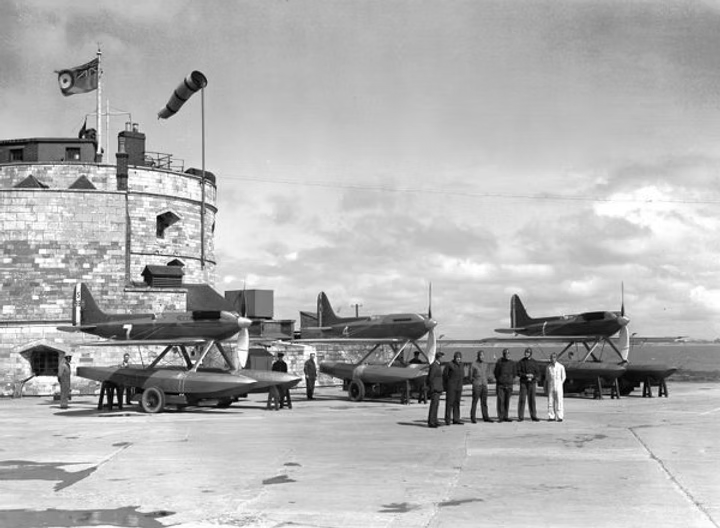
The S5

The S.5 was designed by Reginald Mitchell after the loss of the S.4 before it ever raced. It featured extensive changes from the S.4, possessing numerous unconventional features and making greater use of metal; many of these decisions were made to optimise its racing performance. Due to the short development window, a wooden wing was used rather than an all-metal one. In particular, it possessed a relatively low level of drag for the era.
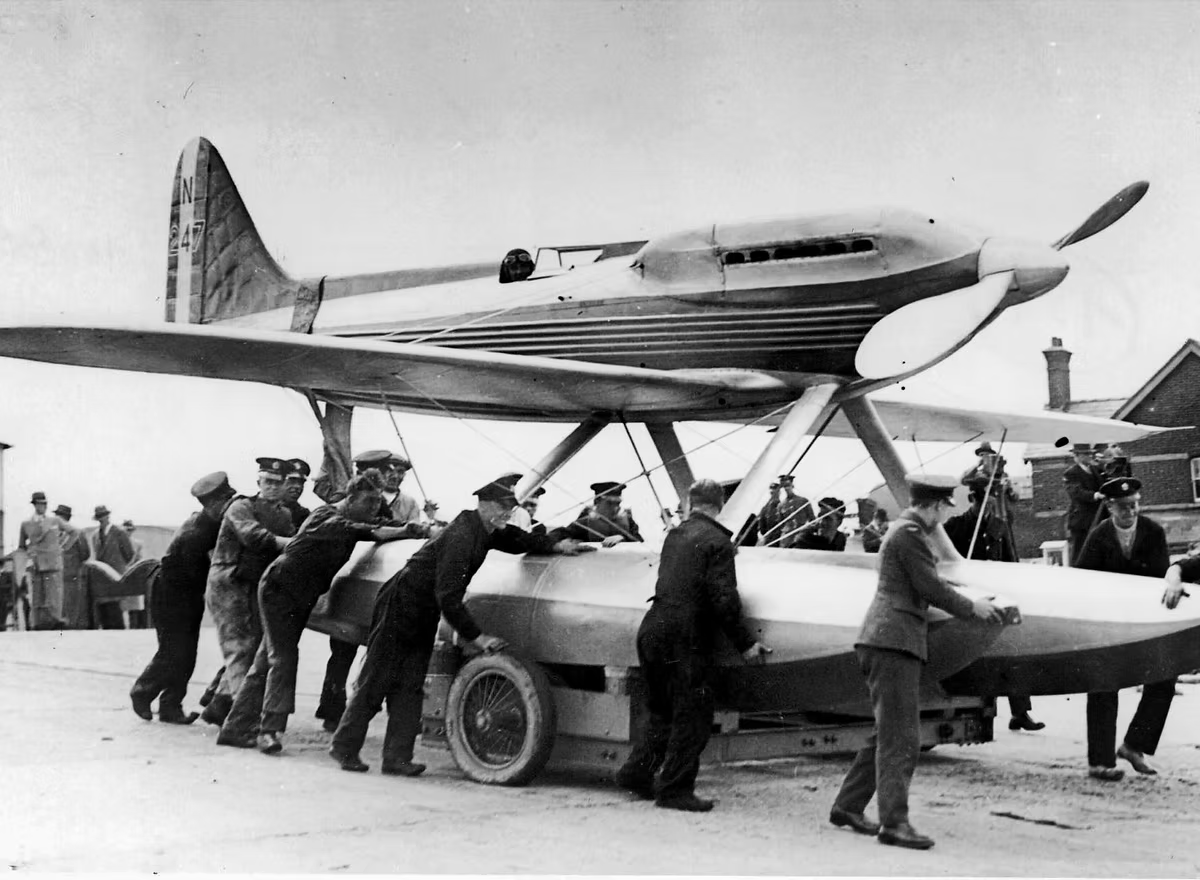
The Supermarine S5 Venice